

Are you excited about planting fruit trees but unsure how often to water them? You’re not alone! Many new gardeners face this common challenge. Watering too much or too little can make a big difference in how well your trees thrive.
Key Takeaways
- Watering Frequency: Newly planted fruit trees should be watered once a week for the first month. Gradually increase the interval as the tree matures, aiming for once every two weeks by the end of the first growing season.
- Factors Influencing Needs: Watering frequency depends on various factors, including soil type, climate, tree species, age, and seasonal changes.
- Effective Watering Methods: Utilize soaker hoses, drip irrigation, watering cans, or buckets to water your trees efficiently, ensuring deep moisture penetration.
- Signs of Watering Issues: Keep an eye out for wilting leaves, color changes, and growth patterns to identify over or underwatering.
- Seasonal Adjustments: In summer, increase watering frequency to every 5 to 7 days; in winter, reduce it to every 3 to 4 weeks, adjusting based on environmental conditions.
- Soil Monitoring: Aim for consistently moist soil but avoid waterlogged conditions to promote healthy root development.
Understanding Newly Planted Fruit Trees
Newly planted fruit trees require specific care to establish healthy growth. Watering plays a crucial role in their development.
Importance of Watering
Watering newly planted fruit trees is essential for root establishment. Proper hydration encourages roots to grow deep into the soil, promoting stability and nutrient absorption. Insufficient water can stress the trees, leading to stunted growth and increased susceptibility to disease. For optimal health, maintain consistent moisture but avoid waterlogged conditions.
Factors Affecting Watering Needs
Several factors influence how often you should water newly planted fruit trees:
- Soil Type: Sandy soils drain quickly and may require more frequent watering. Clay soils retain moisture longer, needing less frequent irrigation.
- Climate: Hot, dry climates demand more water, while cooler, humid environments can reduce watering needs.
- Tree Species: Different fruit tree species have varying water requirements. Research the specific needs of your trees.
- Age of Tree: Younger trees typically need more water than established ones as they develop their root systems.
- Season: Water needs vary with the season. During summer, increase watering frequency; during dormancy in winter, reduce it.
By considering these factors, you can effectively determine the appropriate watering schedule for your newly planted fruit trees.
Best Practices for Watering
Watering newly planted fruit trees requires attention to detail for healthy growth. Follow these best practices to ensure your trees thrive.
Recommended Products
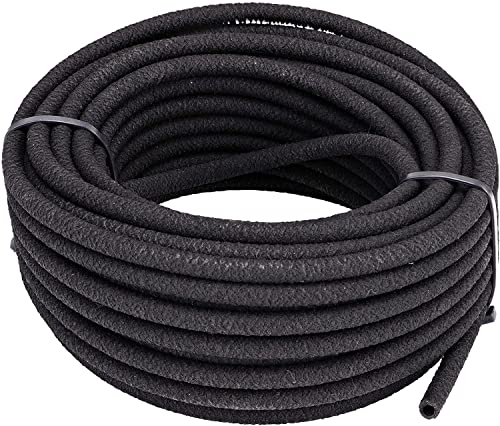
Slowly waters the soil around your plants for complete root zone hydration; Ideal for short runs on flat surfaces, such as vegetable gardens, borders, and around small plants
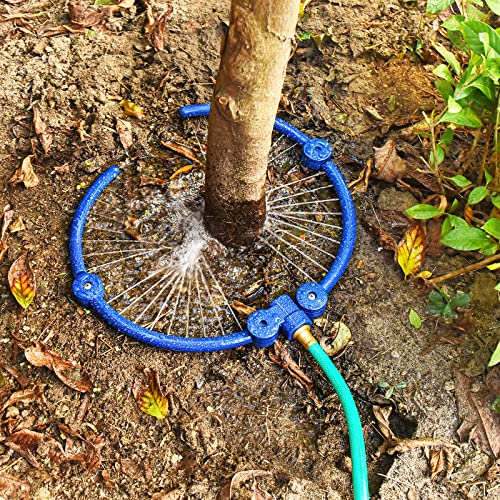
【Specially Designed for Trees and Shrubs】 The Watering Ring is a multi-purpose irrigation ring that attaches to a garden hose to efficiently water young trees shrubs vegetables or flower beds using drip or trickle irrigation.It directs water to the root perimeter of the plant to give them a good start during the first two growing seasons or through periods of drought.

【Even & Consistent Root Watering】Features micro-pore seepage technology that distributes water evenly along the entire hose, transforming spot watering into uniform line watering directly to plant roots. Unlike traditional drip irrigation systems with clog-prone emitters, this soaker hose creates a continuous moisture band for healthier, deeper-rooted plants
Watering Frequency
Water newly planted fruit trees once a week for the first month. This frequency helps establish deep roots. Increase the interval gradually as the tree matures. Consider watering more frequently during hot, dry spells. Under typical conditions, adjust watering to once every two weeks by the end of the first growing season. Keep an eye on soil moisture; it should remain consistently damp but not soggy.
Methods of Watering
Use several methods to effectively water your fruit trees:
- Soaker Hoses: Lay soaker hoses around the base of the tree. This method allows water to seep slowly into the soil, promoting deeper root growth.
- Drip Irrigation: Install a drip irrigation system for efficient watering. It delivers water directly to the roots, minimizing evaporation and runoff.
- Watering Cans: Use watering cans for smaller trees or when a more targeted approach is needed. Pour gently near the base to ensure deep penetration.
- Buckets: Fill buckets with water and slowly pour it around the tree’s drip line to ensure even moisture distribution.
Adjust the method based on the tree’s age and environmental conditions. Always monitor how well water penetrates the soil—aim for at least 12 inches deep for optimal root hydration.
Signs of Over or Underwatering
Recognizing the signs of over or underwatering is essential for maintaining the health of your newly planted fruit trees. Monitoring these symptoms helps you adjust your watering practices effectively.
Recommended Products
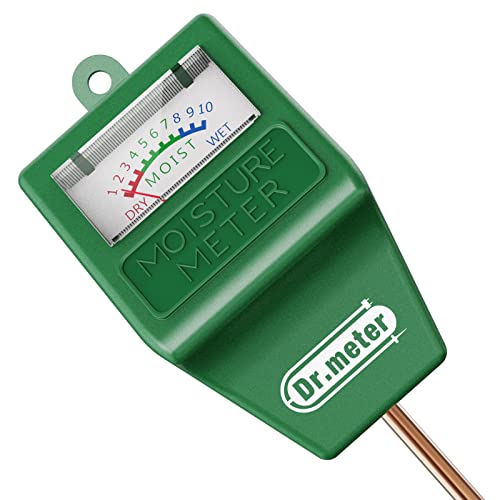
Compact & Portable: Have you been sticking your finger in the soil hoping to feel when it's time to water? Why not eliminate the guesswork and keep your hands clean when you use the Dr.meter Soil Moisture Sensor Meter! Know the right time to water your garden, farm, lawn and houseplants, anytime.

Compact & Portable: Have you been sticking your finger in the soil hoping to feel when it's time to water? Why not eliminate the guesswork and keep your hands clean when you use the Dr.meter Plant Moisture Meter! Know the right time to water your garden, farm, lawn and potted plants, anytime

Compact & Portable: Have you been sticking your finger in the soil hoping to feel when it's time to water? Why not eliminate the guesswork and keep your hands clean when you use the Dr.meter Soil Moisture Sensor Meter! Know the right time to water your garden, farm, lawn and plants, anytime
Visual Indicators
- Wilting Leaves: If leaves droop and appear limp, this may signal underwatering. Conversely, leaves that feel mushy or fall off can indicate overwatering.
- Leaf Color Changes: Yellowing leaves often indicate excessive moisture, while brown, crispy edges suggest insufficient water.
- Growth Patterns: Stunted growth or small, underdeveloped fruit can be signs of either issue. Healthy trees should grow steadily and produce adequately sized fruit.
- Root Rot: Overwatering can lead to root rot, a condition where roots decay due to excess moisture. Check for a foul smell or brown, mushy roots, indicating this issue.
- Drought Stress: Underwatered trees may develop shallow roots, as they seek moisture near the surface. This compromises stability and overall tree health.
- Soil Texture: The soil’s feel offers clues. Dry soil indicates a need for water, while soggy soil suggests a decrease in watering. Aim for soil that feels moist but not saturated.
By keeping an eye on these signs, you can adapt your watering schedule to promote optimal growth for your newly planted fruit trees.
Seasonal Watering Adjustments
Proper watering varies with the seasons, affecting the health of your newly planted fruit trees. Adjusting your watering schedule to match seasonal changes ensures optimal growth.
Recommended Products
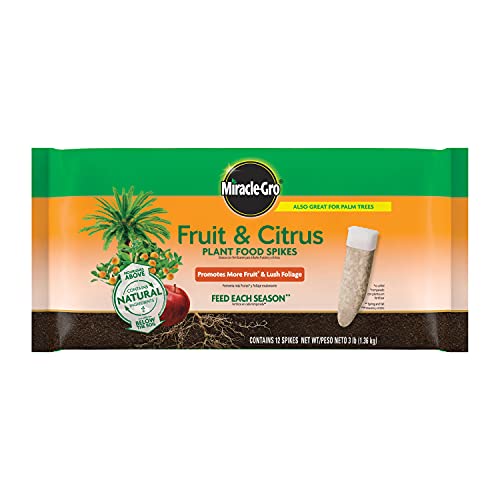
FORMULATED FOR CITRUS AND FRUIT TREES: Use these citrus fertilizer spikes on apple, orange, lemon, lime, and avocado trees; this formula is also great for feeding palm trees

【NO MORE GUESSWORK】:Ever wonder if your plants need watering or not? You need this soil moisture meter to help you eliminate the guesswork. Don’t want to stick your finger into the soil to test for moisture, you need this this soil meter to help you.

Let our professionally formulated plant food help your fruit tree grow healthy, strong AND abundantly producing
Summer Care
During summer, heat and sun increase evaporation rates. To accommodate this, water your trees more frequently, aiming for every 5 to 7 days. Ensure the soil reaches a depth of at least 12 inches. Early morning or late afternoon is the best time to water, minimizing evaporation and ensuring absorption. Consider using mulch around the base of your trees to retain soil moisture and regulate temperature. Monitor for signs of stress, like wilting leaves, and adjust your watering routine if necessary.
Winter Care
In winter, your fruit trees enter a dormant phase and need less water. Water every 3 to 4 weeks, checking for moist but not soggy soil. If your region experiences dry, windy conditions, you might need to water more frequently. Ensure the ground doesn’t freeze solid—if it does, root absorption ceases, leading to drying out. Protect your trees from frost damage by mulching at the base, which can help maintain soil moisture during cold spells. For any prolonged dry periods, give your trees a deep watering before the freeze.
Conclusion
Caring for your newly planted fruit trees is all about finding that sweet spot with watering. By keeping an eye on soil moisture and adjusting your schedule based on the season you’ll set your trees up for healthy growth. Remember that every tree is unique and may have different needs.
Stay attentive to signs of stress and be ready to adapt your approach. With a little patience and the right watering practices your fruit trees will thrive and reward you with delicious fruits for years to come. Enjoy the journey of nurturing your garden and watching your trees flourish!
Frequently Asked Questions
How often should I water newly planted fruit trees?
Newly planted fruit trees should be watered weekly for the first month to encourage deep root growth. As they mature, you can gradually increase the interval. By the end of the first growing season, watering every two weeks is generally a good guideline.
What factors affect the watering needs of fruit trees?
Several factors can impact the watering needs of fruit trees, including soil type, climate, the specific tree species, the age of the tree, and seasonal changes. Monitoring these elements can help determine the best watering schedule.
What signs indicate overwatering or underwatering?
Common signs of overwatering include wilting leaves and root rot. Underwatering may cause leaf discoloration, wilting, and stunted growth. Pay attention to these visual cues to adjust your watering practices accordingly.
How can I measure soil moisture for my fruit trees?
To check soil moisture, insert your finger about 2 inches into the soil. If it feels damp, watering is not necessary. For deep root hydration, ensure that water penetrates at least 12 inches deep when you do water.
When should I water fruit trees during the summer?
During hot summer months, fruit trees typically require more frequent watering, ideally every 5 to 7 days. Watering in the early morning or late afternoon will help reduce evaporation and promote absorption.
How do I water fruit trees effectively?
Effective watering methods include using soaker hoses, drip irrigation, watering cans, or buckets. Each method caters to different tree sizes and conditions. Properly distributing water is key to maintaining healthy growth.
Should I change my watering routine in winter?
Yes, in winter, the watering routine should be adjusted since trees enter a dormant phase. Watering every 3 to 4 weeks is advisable while checking the soil to ensure it remains moist but not soggy.
