

Are you dreaming of a backyard filled with fresh, juicy fruit? Growing your own fruit trees in Arizona can turn that dream into reality. With the right choices, you can enjoy delicious harvests while adding beauty to your landscape.
Key Takeaways
- Choose Climate-Suited Varieties: Select fruit trees that thrive in Arizona’s hot, arid conditions, such as citrus, stone fruits, pomegranates, and figs.
- Maximize Sunlight Exposure: Ensure trees receive at least six hours of direct sunlight daily to promote healthy growth and fruit production.
- Amend Soil Properly: Conduct a soil test and enrich sandy, alkaline soils with compost or organic matter to enhance fertility and drainage.
- Implement Efficient Watering: Use deep watering and consider a drip irrigation system to conserve water while maintaining consistent moisture, particularly during hot spells.
- Be Aware of Frost Dates: Understand local frost dates to protect young trees and ensure successful planting during safe periods.
- Practice Regular Care and Maintenance: Monitor for pests, perform regular pruning, and apply mulch to retain moisture and promote optimal growth conditions.
Overview of Growing Fruit Trees in Arizona
Growing fruit trees in Arizona offers the chance to enjoy fresh produce right from your yard. The climate in Arizona presents unique opportunities and challenges. Most notable is the arid climate, which means choosing drought-resistant varieties adapts better to local conditions.
When selecting fruit trees, consider a few key factors:
- Sunlight: Most fruit trees require full sunlight, which means at least six hours of direct sunlight daily. Position trees accordingly within your yard to maximize sunshine exposure.
- Soil Types: Arizona’s soil is often sandy and lacks nutrients. Conduct a soil test to determine pH levels and amend the soil as necessary. Adding compost or organic matter enriches the soil, enhancing the growth of your trees.
- Watering Needs: Deep watering encourages strong root development, especially during dry spells. Drip irrigation systems work well in Arizona’s climate, helping you conserve water while providing consistent moisture.
- Frost Dates: Understand your local frost dates to protect young trees. Many varieties thrive if planted after the last frost in spring. A frost cloth can shield vulnerable plants during unexpected cold snaps.
- Tree Selection: Opt for varieties suited to the Arizona climate. Citrus trees, pomegranates, and figs are popular choices. Each variety offers different flavors and textures, contributing to a diverse harvest.
By selecting the right trees and following best practices, you can cultivate a thriving fruit garden. Enjoy the fresh flavors and visual beauty these trees bring to your outdoor space.
Factors to Consider
When growing fruit trees in Arizona, it’s crucial to consider specific factors to ensure successful cultivation. Understanding climate, soil, and other elements impacts your tree selection and overall yield.
Recommended Products

FORMULATED FOR CITRUS AND FRUIT TREES: Use these citrus fertilizer spikes on apple, orange, lemon, lime, and avocado trees; this formula is also great for feeding palm trees

Package contains 4 Pounds organic fruit and citrus fertilizer grains and is produced to avoid wasteful runoff, mess, hazards and smells

Made for Lemon & Citrus Trees – Formulated to support healthy growth in lemon and citrus plants.
Climate Considerations
Arizona’s climate varies significantly across regions, but it generally features hot, arid conditions. You’ll want to choose trees that thrive in such climates. For instance, citrus trees like oranges and lemons flourish in the heat, while pomegranates tolerate drought well. Additionally, consider your garden’s location. Areas with afternoon shade can mitigate heat stress on younger trees. Research local frost dates, as planting frost-sensitive varieties in unsuitable times can jeopardize growth.
Soil Requirements
Soil quality directly affects your tree’s health and productivity. Arizona often has sandy, alkaline soils with low organic matter. Amending the soil improves its fertility and drainage. You can enhance it by adding compost or well-rotted manure before planting. For best results, conduct a soil test. This reveals nutrient levels and pH. Ideally, fruit trees thrive in slightly acidic to neutral pH levels, between 6.0 and 7.0. Select trees suited for sandy soils, like figs, that adapt well to these conditions. Regularly mulch around the base of your trees to retain moisture and suppress weeds, supporting optimal root development.
Best Fruit Trees for Arizona
Growing fruit trees in Arizona adds beauty and provides delicious harvests. The climate offers opportunities for various types of fruit trees that thrive in arid conditions.
Recommended Products

🌵 23 Heirloom Varieties – Annuals + Perennials: A curated mix of 23 drought‑tolerant species. Annuals provide fast first‑season color, while perennials return year after year – creating a low‑water wildflower meadow that thrives on neglect.

READY TO PLANT: These 3 thriving Pineapple Guava saplings (Feijoa Sellowiana variety) arrive in 2.5-inch nursery cubes, ready to plant. These versatile, tropical (and pet-safe!) evergreen trees and shrubs offer year-round beauty and fruit in any home.

Citrus Trees
Citrus trees excel in Arizona’s climate. Key varieties include orange, lemon, lime, and grapefruit. Citrus trees prefer full sun and well-drained soil. Regular watering is essential, especially during hot summers. Applying mulch helps retain moisture and keeps roots cool. Fertilizing with a balanced citrus fertilizer promotes healthy growth and fruit production.
Stone Fruit Trees
Stone fruit trees, such as peaches, plums, and cherries, adapt well to Arizona’s environment. Choose low-chill varieties to ensure successful fruit set. These trees thrive in full sun and need adequate space for air circulation. Water deeply during dry spells, ensuring the soil remains moist but not waterlogged. Pruning in early spring encourages better airflow and fruit production.
Pomegranate Trees
Pomegranate trees flourish in arid climates. They tolerate drought well and require minimal water once established. These trees thrive in full sun and adapt to various soil types, though well-drained soil yields the best results. Frequent pruning helps maintain shape and encourages prolific fruiting. Expect beautiful blooms that attract pollinators.
Fig Trees
Fig trees thrive in the heat and love full sun. Common varieties include Black Mission and Kadota. These trees require moderate watering, allowing the soil to dry between sessions. Fig trees adapt to poor soil but benefit from mulch to help retain moisture. Pruning in winter promotes healthier growth and yields larger fruits.
Selecting suitable fruit trees can enhance your garden in Arizona while providing a range of delicious produce. Focus on varieties that thrive under local conditions for a fruitful experience.
Tips for Successful Fruit Tree Cultivation
Cultivating fruit trees in Arizona requires specific strategies to ensure growth and productivity. With the right care, you can enjoy a fruitful garden year after year.
Recommended Products
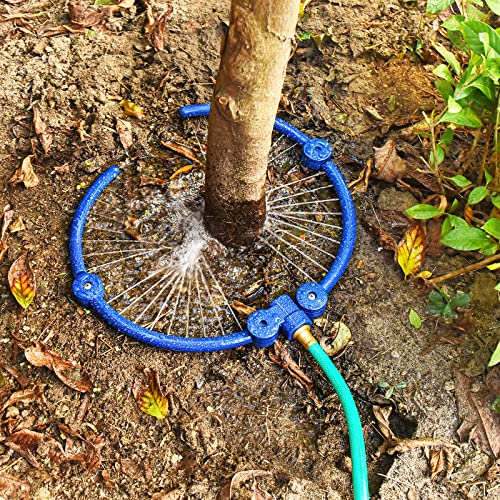
【Specially Designed for Trees and Shrubs】 The Watering Ring is a multi-purpose irrigation ring that attaches to a garden hose to efficiently water young trees shrubs vegetables or flower beds using drip or trickle irrigation.It directs water to the root perimeter of the plant to give them a good start during the first two growing seasons or through periods of drought.

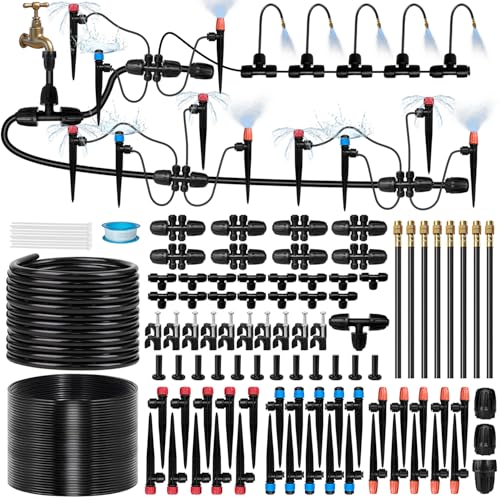
【Upgraded Tube Design & Water Saving】 Our garden watering system is upgraded to 1/2” diameter to support high water pressure. The 1/2” tee connector allows seamless splitting into 2 independent zones for customized watering schedules. By delivering moisture directly to root zones, this drip Irrigation system significantly reduces evaporation and runoff—saving more water compared to conventional sprinklers while eliminating the need for manual watering.
Watering Practices
Water consistently, especially during the hot months. Give young trees one to two gallons of water every week. Mature trees typically require deep watering every two weeks, depending on rainfall. Establish a drip irrigation system to minimize evaporation and ensure moisture reaches the roots. Mulch around the base of trees can also help retain soil moisture and regulate temperature.
Pest Management
Monitor your trees regularly for signs of pests. Look for damaged leaves or unusual spots. Use natural pest control methods such as neem oil or insecticidal soap to treat infestations. Encourage beneficial insects, like ladybugs, to help manage pest populations. Additionally, practice crop rotation and remove fallen fruit to reduce disease incidence. Regular pruning can also improve air circulation, making trees less susceptible to pests and diseases.
Conclusion
Growing fruit trees in Arizona can be a rewarding adventure. With the right varieties and a little care you can enjoy delicious fresh fruit right from your backyard. Remember to consider your specific climate and soil conditions to choose the best trees for your space.
By focusing on drought-resistant options and providing proper watering and sunlight you’ll create a vibrant garden that not only looks great but also yields tasty treats. Embrace the journey of cultivating your fruit trees and watch as your outdoor space transforms into a fruitful oasis. Happy gardening!
Frequently Asked Questions
Can I grow fruit trees in Arizona?
Yes, you can grow fruit trees in Arizona! Selecting drought-resistant varieties like citrus, pomegranates, and figs helps ensure success in the state’s hot, arid climate.
What fruit trees are best suited for Arizona’s climate?
Citrus trees such as oranges and lemons, stone fruits like peaches and plums, and drought-tolerant varieties like pomegranates and figs thrive well in Arizona.
How much sunlight do fruit trees need in Arizona?
Fruit trees generally require full sun, which means they should receive at least 6 to 8 hours of direct sunlight each day to grow and produce fruit effectively.
What type of soil do I need for fruit trees in Arizona?
Well-drained soil is crucial for growing fruit trees in Arizona. Test your soil for drainage and nutrient content, and consider amending it to improve structure and fertility.
How often should I water fruit trees in Arizona?
Young trees require one to two gallons of water weekly, while mature trees should be deeply watered every two weeks. Adjust watering during extremely hot months.
What pest management strategies can I use for my fruit trees?
Monitor your trees regularly for pests. Use natural control methods, encourage beneficial insects, practice crop rotation, and prune to improve air circulation to manage pest issues effectively.
Are there any frost dates I should be aware of?
Yes, understanding local frost dates is vital when growing fruit trees in Arizona. Protect your trees by planting them after the last frost in spring and using covers during possible frost events.
How does mulch help fruit trees in Arizona?
Mulch helps retain soil moisture, suppress weeds, and regulate soil temperature, making it a valuable addition to your fruit tree care routine, especially in Arizona’s hot climate.
