

Are your fruit trees looking a bit unruly? Pruning can seem daunting, but it’s essential for healthy growth and a bountiful harvest. Knowing when to prune can make all the difference.
Key Takeaways
- Pruning fruit trees is essential for their health, promoting better growth, air circulation, and sunlight exposure.
- The best time to prune is late winter or early spring when trees are dormant, allowing for faster recovery and clearer visibility of the tree’s structure.
- Different tree species have unique pruning needs; for example, apple and peach trees are best pruned in winter, while citrus trees should be pruned post-harvest in late spring or summer.
- Be aware of climate conditions as they can influence optimal pruning times, with milder climates allowing for earlier pruning compared to colder regions.
- Look for signs that your tree needs pruning, such as dead branches, overcrowded canopies, or decreased fruit production, to maintain its health and productivity.
Understanding Pruning for Fruit Trees
Pruning fruit trees is essential for promoting healthy growth and maximizing your harvest. Knowing how and when to prune sets you up for success.
Importance of Pruning
Pruning maintains tree health. It removes dead, damaged, or diseased branches, reducing the risk of pests. Pruning shapes the tree for better air circulation and sunlight exposure, preventing overcrowding. Strong branch structures improve fruit quality and yield.
Benefits of Pruning at the Right Time
Timing impacts pruning effectiveness. In late winter or early spring, dormant trees recover faster from cuts, minimizing stress. During this period, you can easily see the tree’s structure, aiding effective decision-making. Avoid pruning in late summer or fall to prevent stimulating new growth that won’t harden off before winter.
| Pruning Timing | Tree Activity | Benefits |
|---|---|---|
| Late Winter/Early Spring | Trees are dormant | Faster recovery and better visibility |
| Summer | Trees are actively growing | Discourages vigorous growth |
| Fall | Trees prepare for dormancy | Risk of freeze damage to fresh cuts |
Following these guidelines helps ensure vibrant trees and fruitful harvests.
Factors Influencing Pruning Timing
Pruning timing depends on various factors, including tree species and climate. Understanding these elements ensures effective and healthy pruning.
Tree Species Considerations
Different fruit trees have distinct growth habits and seasonal needs. For example, apple and peach trees benefit from winter pruning, promoting strong growth in spring. Conversely, citrus trees prefer pruning post-harvest in late spring or early summer, allowing for optimal fruit development.
Other examples include:
- Cherry Trees: Prune in late summer to avoid sap loss.
- Plum Trees: Best pruned in late winter to reduce disease risk.
Knowing your tree species helps you choose the right time for pruning.
Climate and Weather Conditions
Climate plays a critical role in determining the best pruning time. Warmer regions may allow for earlier pruning compared to colder climates.
For example:
- In Mild Climates: You can prune as early as late winter, just before new growth starts.
- In Cold Climates: Wait until late winter or early spring to prevent damage from late frosts.
Be mindful of recent weather patterns as well. If a warm spell follows winter, ensure the trees remain dormant before pruning. Checking local forecasts helps you decide when to proceed.
Recommended Pruning Times
Understanding the best times to prune fruit trees helps promote healthy growth and enhances your harvest. Here’s a look at the optimal periods for both winter and summer pruning.
Recommended Products

SUPER LIGHTWEIGHT CUT AND HOLD PRUNERS SET: Our Long Reach Pruner weighs 0.79lbs, appropriate length 32 inch is suitable for relaxed cutting. When you deal with twiggy young tree branches, leaves, fruit spur or fence, one hand is enough. There has a minor hand pruner in this set can solve your lower pruning, a bonus garden glove can protect your hand.

LONG-LASTING SHARPNESS: Japanese SK5 bypass blade with titanium coating is tested through 5,000 cuts to maintain a sharp edge and deliver clean, consistent cuts on live stems and branches

What Makes VT-C800 Unique? Ever-Sharp Teflon-Coated SK5 Blades | Jam-Proof Sealed Spring | Ambidextrous Thumb Lock | Backed by Lifetime Support
Winter Pruning
Winter pruning occurs during the dormant season, typically from late December to early March. This timing allows you to carefully inspect the tree’s structure without the distraction of leaves. Focus on the following:
- Dead or Diseased Branches: Remove any branches that show signs of disease or damage.
- Overcrowded Areas: Thin out dense sections to improve air circulation and sunlight exposure.
- Shaping: Aim for an open center to encourage balanced growth.
Tree species like apple and peach respond well to winter pruning, as it stimulates vigorous growth in spring. Use sharp, clean pruning shears to make cuts at a 45-degree angle just above the bud.
Summer Pruning
Summer pruning is usually done from late June to early August when trees are actively growing. This method helps control tree size and encourages fruit development. Key points include:
- Light Pruning: Focus on removing suckers and water sprouts that grow vertically.
- Shape Adjustment: Maintain an ideal shape for sunlight penetration and air flow.
- Timing: Prune after fruit harvest for trees like citrus, as it helps minimize stress.
Caution is crucial in summer pruning; excessive cutting can reduce fruit yield and provoke excessive growth. Make sure to prune on cooler days to minimize stress on the tree.
Signs Your Tree Needs Pruning
Recognizing signs that your fruit tree requires pruning is vital for maintaining its health and productivity. Look for the following indicators:
Recommended Products
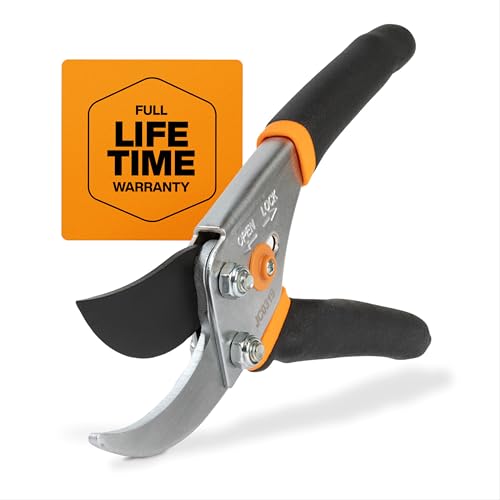
CLEAN CUTS FOR LIVE GROWTH: Bypass blade design is ideal for pruning delicate flower stems and green growth, helping reduce crushing and plant damage while cutting stems and small branches up to 5/8” in diameter

IDEAL BRANCH TRIMMER: 28" Steel blade garden bypass lopper that glides through up to 1.5" thick branches for easy cuts; Works well for trimming tree branches to maintain your yard and garden, and to encourage overall plant health and appearance

· ULTRA-SHARP SK5 STAINLESS STEEL - Engineered with premium SK5 stainless steel, these heavy duty pruning shears deliver razor-sharp precision and maximum hardness. The rust-resistant blades are designed to stay sharp longer, effortlessly resisting corrosion and sap buildup for smooth, friction-free garden shears performance year after year.
Health Indicators
- Dead Branches: Identify branches that show no signs of life or growth. These may have brown or gray bark and lack leaves.
- Diseased Areas: Check for signs of disease, like oozing sap, unusual growths, or discoloration. Promptly remove any infected branches to prevent disease spread.
- Broken or Damaged Limbs: Inspect the tree for limbs that have split or suffered from storm damage. Removing these helps prevent future issues.
- Overcrowded Canopy: Notice if branches compete for space, blocking sunlight from lower areas. Thinning out these branches improves air circulation and promotes healthy growth.
- Vertical Growth: Watch for excessive upward growth, commonly known as “water sprouts.” Prune these to encourage a more balanced shape and optimize fruit production.
- Lack of Fruit Production: Observe if the tree’s fruit yield decreases significantly. This may signal the need for pruning to revitalize the tree and enhance fruiting.
By familiarizing yourself with these signs, you can take timely action, ensuring your fruit trees thrive and bear fruit season after season.
Conclusion
Pruning your fruit trees at the right time can make all the difference in their health and productivity. By understanding when to prune based on the type of tree and your local climate, you can help ensure a bountiful harvest season after season.
Remember to keep an eye out for those signs that indicate your trees need some TLC. With a little care and attention you’ll not only enhance the beauty of your trees but also enjoy the fruits of your labor. Happy pruning and here’s to a fruitful future!
Frequently Asked Questions
Why is pruning fruit trees important?
Pruning fruit trees is crucial for their health and productivity. It helps remove dead, damaged, or diseased branches, reduces pest risks, and improves air circulation and sunlight exposure. By shaping the tree, pruning also enhances fruit quality and yield, ensuring a successful harvest.
When is the best time to prune fruit trees?
The ideal time to prune fruit trees is late winter or early spring when the trees are dormant. This timing promotes faster recovery and better visibility of tree structure. It’s best to avoid pruning in late summer or fall to prevent stimulating new growth that can be damaged by winter.
Does the type of fruit tree affect pruning timing?
Yes, different fruit trees have specific pruning needs. For instance, apple and peach trees benefit from winter pruning, while citrus trees are best pruned after harvest in late spring or early summer. Understanding the tree species is essential for effective pruning.
What signs indicate a fruit tree needs pruning?
Signs that a fruit tree needs pruning include dead branches, diseased areas, damaged limbs, overcrowded canopies, excessive vertical growth (water sprouts), and a decline in fruit production. Recognizing these indicators allows for timely intervention to maintain tree health.
How often should I prune my fruit trees?
Pruning frequency depends on the tree’s age and type, but generally, it’s recommended to prune annually. Regular annual pruning keeps trees healthy and productive while allowing for adjustments as the tree matures and its needs change.
