

Growing walnut trees in pots in Delaware is feasible with the right care and conditions. These trees require specific pot sizes, soil types, and maintenance practices to thrive in a container environment.
Choosing the Ideal Pot for Walnut Trees
Choosing an appropriate pot is crucial for the health of your walnut tree. The pot should be large enough to accommodate root growth and provide adequate drainage. A container with a diameter of at least 18 inches and a depth of 24 inches is recommended.
Ensure the pot has drainage holes to prevent waterlogging.
Consider using ceramic or plastic pots for better insulation.
Opt for lightweight materials if you plan to move the pot.
Optimal Soil Blend for Potted Walnuts
Choosing the right soil blend is crucial for the health and growth of potted walnut trees in Delaware. The optimal mix not only supports root development but also ensures proper drainage and nutrient availability. Understanding the specific soil requirements can significantly enhance the success of your potted walnut cultivation.
The soil mixture plays a significant role in the growth of walnut trees in pots. A well-draining, nutrient-rich soil will support healthy growth.
Use a blend of potting soil, compost, and perlite.
Aim for a soil pH between 6.0 and 7.0 for optimal growth.
Regularly test the soil to maintain nutrient levels.
| Soil Component | Ratio |
|---|---|
| Potting Soil | 50% |
| Compost | 30% |
| Perlite | 20% |
Recommended Products
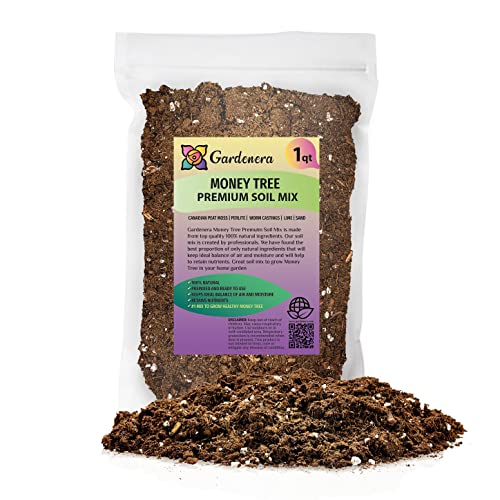
🌳 PROFESSIONALLY MIXED IN THE USA - Each bag is hand blended on our small family farm with premium horticultural grade ingredients: Canadian Peat Moss, Perlite, Worm Castings, Lime, Sand.

100% Natural: Special custom blend for olive trees in containers

STARTING A TROPICAL GARDEN- Comprised of real horticultural grade ingredients such as shredded coir husk, pine bark, perlite, sand, and garden lime; no pelletized fertilizer
Potted Walnut Tree Watering Guidelines
Proper watering is crucial for the health and growth of potted walnut trees, especially in Delaware’s unique climate. Understanding the specific water needs of these trees will help ensure they thrive in containers. This section outlines essential guidelines to maintain optimal moisture levels for your potted walnut trees.
Proper watering is essential for potted walnut trees. Overwatering can lead to root rot, while underwatering can stress the tree.
Water deeply but infrequently to encourage deep root growth.
Check the top inch of soil; if dry, it’s time to water.
Use a moisture meter for more precise readings.
Recommended Products

Accurate Soil Moisture Detection: The XLUX Soil Moisture Meter can tell you if the soil deep inside your pot or garden is dry, moist or wet; whereas your eyes and fingers can only determine the moisture level of the soil surface. The probe is 5.5 inches (14 cm) longer than regular styles, allowing it to measure the soil moisture at the bottom of larger and deeper flower pots.

Accurate Soil Moisture Detection: The XLUX Soil Moisture Meter can tell you if the soil deep inside your pot or garden is dry, moist or wet; whereas your eyes and fingers can only determine the moisture level of the soil surface. The probe is 5.5 inches (14 cm) longer than regular styles, allowing it to measure the soil moisture at the bottom of larger and deeper flower pots.
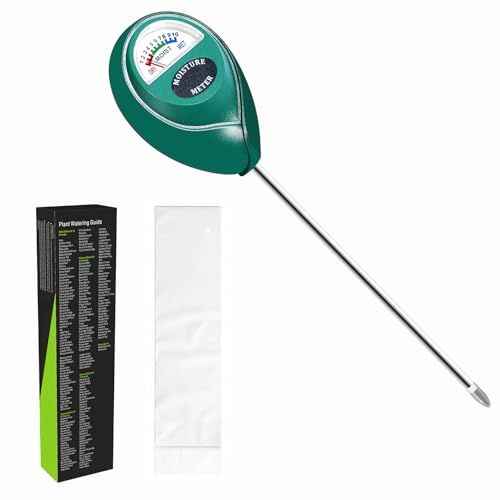
Trusted Since 2015: Become one of the many plant lovers who rely on the proven accuracy of XLUX. Established in 2015, our soil moisture meter has earned over 60,000+ verified ratings for its consistent performance. While many many newer brands come and go, we provide the long-term reliability and quality that American households have trusted for over a decade.
Potted Walnut Tree Fertilization Techniques
Fertilizing potted walnut trees is essential for promoting healthy growth and maximizing nut production. In Delaware’s unique climate, understanding the right nutrients and application methods can make a significant difference in the vitality of your trees. This section will explore effective fertilization techniques tailored specifically for potted walnut trees.
Fertilization is necessary to provide the nutrients that potted walnut trees may lack. A balanced fertilizer will support growth and fruit production.
Apply a slow-release fertilizer in early spring.
Use a liquid fertilizer every four to six weeks during the growing season.
Monitor for signs of nutrient deficiency, such as yellowing leaves.
Container Pruning for Healthy Walnut Trees
Container pruning is essential for maintaining the health and vitality of walnut trees grown in pots. By carefully managing the size and shape of the tree, you can encourage robust growth and fruit production while ensuring the tree remains well-suited to its confined space. This section will explore effective pruning techniques tailored for potted walnut trees in Delaware.
Pruning helps maintain the shape and health of walnut trees. Regular pruning encourages better air circulation and sunlight penetration.
Prune in late winter or early spring before new growth begins.
Remove any dead or diseased branches immediately.
Shape the tree to maintain a balanced structure.
Pest Control Strategies for Potted Walnuts
Potted walnut trees can be susceptible to various pests that threaten their health and productivity. Implementing effective pest control strategies is essential for maintaining vibrant foliage and ensuring a fruitful harvest. This section outlines practical approaches to managing pests specifically for walnut trees grown in pots in Delaware.
Pests can pose a threat to the health of your walnut tree. Regular monitoring and proactive management can mitigate these risks.
Inspect leaves and stems regularly for signs of infestation.
Use neem oil or insecticidal soap for treatment.
Introduce beneficial insects like ladybugs for natural pest control.
Walnut Tree Seasonal Care Adjustments
Caring for potted walnut trees in Delaware requires seasonal adjustments to ensure healthy growth and fruit production. Understanding the specific needs of these trees throughout the year will help you provide optimal conditions, from temperature management to watering routines. This section outlines the key seasonal care strategies to keep your walnut trees thriving in their pots.
Seasonal changes require adjustments in care practices. Understanding these changes will help your walnut tree thrive year-round.
In winter, protect the pot from freezing temperatures by wrapping it or moving it indoors.
During summer, ensure adequate watering as pots can dry out quickly.
Monitor for sunburn on leaves during hot months and provide shade if necessary.
Identifying Walnut Tree Care Problems
Growing walnut trees in pots can be rewarding, but it also presents unique challenges. Understanding the common care problems that may arise is essential for maintaining healthy trees. This section will help you identify potential issues and provide guidance on how to address them effectively.
Addressing common issues promptly can save your walnut tree from decline. Recognizing symptoms early is key to effective solutions.
Yellowing leaves may indicate overwatering or nutrient deficiency.
Wilting leaves can signal underwatering or root issues.
Stunted growth often points to inadequate pot size or poor soil conditions.
| Issue | Possible Cause | Recommended Action |
|---|---|---|
| Yellowing Leaves | Overwatering | Reduce watering frequency |
| Wilting Leaves | Underwatering | Increase watering amount |
| Stunted Growth | Poor Soil | Amend soil with nutrients |
Ongoing Care Tips for Potted Walnuts
Caring for potted walnut trees in Delaware requires ongoing attention to ensure healthy growth and fruit production. From watering practices to pest management, understanding the specific needs of these trees will help you maintain their vitality throughout the seasons. Here are essential tips to keep your potted walnuts thriving in their container environment.
Maintaining a potted walnut tree requires ongoing attention. Regular checks and adjustments will ensure its health and productivity.
Monitor growth and adjust care practices as needed. Regularly assess pot size and soil quality to support long-term growth.
