

Growing banana trees in Raleigh, NC is feasible with proper planning and care. The climate in Central Carolina supports these tropical plants, provided you choose the right varieties and follow specific cultivation practices.
Best Banana Varieties for Raleigh Climate
When selecting banana varieties for Raleigh’s unique climate, it’s essential to consider both hardiness and yield. Certain types thrive better in the region’s conditions, offering the best chances for successful growth and fruit production. This section explores the top banana varieties suited to Central Carolina, ensuring you make informed choices for your garden.
Choosing the correct banana variety is crucial for successful growth in Raleigh. Some varieties are more suited to cooler climates and can withstand occasional frost. Popular choices include:
Dwarf Cavendish: Compact size, sweet fruit, and hardy.
Blue Java: Known for its unique flavor and cold tolerance.
Ice Cream Banana: Produces large fruit with a creamy texture.
Each of these varieties has specific growth requirements and fruiting timelines. Dwarf varieties are ideal for smaller spaces, while larger types may need more room.
Site Preparation for Banana Trees
Preparing the right site is crucial for successfully growing banana trees in Raleigh, NC. This region’s unique climate and soil conditions require careful consideration to ensure optimal growth. Proper site preparation will enhance drainage, sunlight exposure, and soil quality, setting the foundation for healthy banana plants.
Preparation of the planting site is essential for healthy banana trees. Select a location that receives full sun and has well-draining soil. Consider the following steps:
Test Soil pH: Aim for a pH between 5.5 and 7.0.
Amend Soil: Add organic matter such as compost to improve fertility.
Clear Weeds: Remove any competing vegetation to reduce nutrient competition.
Proper site preparation can significantly enhance growth and yield.
Optimal Banana Tree Planting Methods
When cultivating banana trees in Raleigh, NC, understanding the best planting methods is crucial for success. The region’s unique climate and soil conditions require specific techniques to ensure healthy growth and fruitful yields. This section will explore the most effective strategies for planting banana trees in Central Carolina, tailored to local environmental factors.
Planting your banana trees correctly sets the foundation for robust growth. Follow these steps for optimal planting:
Dig a Hole: Make a hole twice the width of the root ball.
Place the Plant: Position the banana plant at the same depth it was in its pot.
Backfill: Fill the hole with soil, ensuring no air pockets form.
Water Generously: Provide ample water immediately after planting.
These techniques ensure that the roots establish well in the new environment.
Recommended Products

100% Natural: Custom blend for your indoor potted banana trees

🌱 High-Quality Ingredients: Our Banana Tree Potting Mix is carefully crafted using premium ingredients such as Canadian Peat Moss, New Zealand Bark, Worm Castings, Perlite, Sand, and Lime, ensuring optimal nutrition and growth for your banana trees.

【Natural & Organic】Our specially designed soil blend contains the precise balance of essential minerals and organic matter to support healthy root development and fruit production in banana plants
Banana Tree Watering and Fertilization Guide
Proper watering and fertilization are crucial for the successful growth of banana trees in Raleigh, NC. This guide will provide essential tips on how to maintain optimal moisture levels and nutrient balance, ensuring your banana plants thrive in Central Carolina’s climate. Understanding these practices will help you cultivate healthy, productive trees.
Establishing a consistent watering and fertilization schedule is vital for banana trees. They require regular moisture but do not tolerate standing water. Consider the following guidelines:
| Task | Frequency | Notes |
|---|---|---|
| Watering | Weekly | Increase during dry spells |
| Fertilizing | Monthly | Use a balanced fertilizer |
| Mulching | Twice a year | Helps retain soil moisture |
Adjust the frequency based on weather conditions and plant growth.
Recommended Products
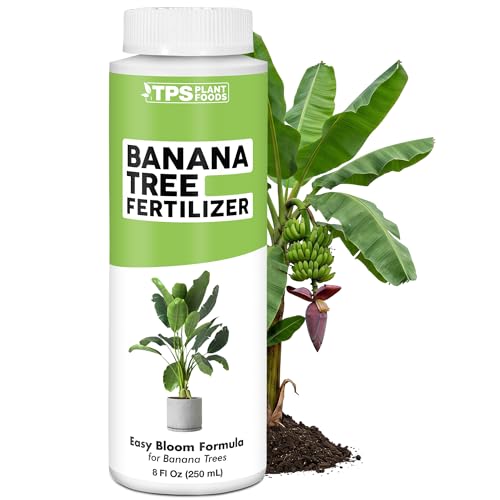
Made for Banana Trees – Specially formulated banana fertilizer designed to support the nutrient needs of banana plants.

2X MORE VALUE: The 16 oz bottle of Banana Plant Fertilizer makes 16 gallons of banana fertilizer for fruit trees, while the bigger size 32 oz bottle makes 32 gallons for lasting care of your banana trees.
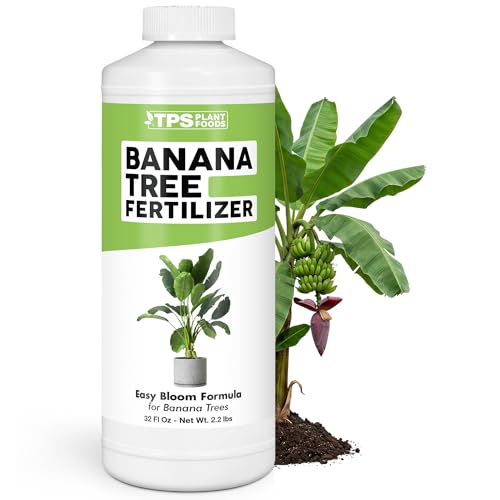
Made for Banana Trees – Specially formulated banana fertilizer designed to support the nutrient needs of banana plants.
Banana Tree Pest Control Techniques
Effective pest control is essential for cultivating healthy banana trees in Raleigh, NC, where local conditions can attract various pests. Understanding the specific threats to banana plants and implementing targeted strategies will help ensure robust growth and fruitful yields. This section explores practical techniques for managing pests that commonly affect banana trees in Central Carolina.
Pests can threaten the health of your banana trees. Regular monitoring and prompt action are key to managing infestations. Common pests include:
Aphids: Small insects that suck plant sap.
Spider Mites: Tiny pests causing leaf discoloration.
Banana Weevils: Larvae that damage the plant’s base.
Implement the following strategies to combat pests:
Inspect Regularly: Check for signs of infestation.
Use Insecticidal Soap: Apply to affected areas as needed.
Encourage Beneficial Insects: Ladybugs and lacewings can help control pest populations.
Effective pest management can protect your plants and ensure a healthy harvest.
Winter Protection Strategies for Banana Trees
In Raleigh, NC, winter poses unique challenges for banana trees, which thrive in warmer climates. Understanding effective protection strategies is essential for ensuring these tropical plants survive the colder months. This section explores various methods to safeguard banana trees from frost and freezing temperatures, helping gardeners maintain healthy growth year-round.
In Raleigh, winter can pose challenges for banana trees. Protecting them during colder months is essential for survival. Here’s how to prepare:
Mulch Heavily: Apply a thick layer of mulch around the base.
Cover Plants: Use frost cloths or blankets on particularly cold nights.
Cut Back Leaves: Trim back to reduce wind damage.
These steps can help your banana trees survive winter temperatures.
Banana Harvest Timing and Techniques
Understanding the timing and techniques for harvesting banana trees is crucial for successful cultivation in Raleigh, NC. This section delves into the ideal periods for harvesting, the signs of ripeness, and the best practices to ensure a fruitful yield, tailored specifically for Central Carolina’s climate and growing conditions.
Knowing when and how to harvest is crucial for enjoying your banana crop. Bananas typically take 9 to 12 months to mature. Look for the following signs:
Color Change: The fruit will turn from green to yellow.
Size: Bananas should be plump and full.
Ease of Removal: They should detach easily from the bunch.
Use a sharp knife to cut the bunch, ensuring minimal damage to the plant.
Banana Tree Growth Monitoring Techniques
Regularly monitor the growth of your banana trees and adjust care as needed. Keep an eye on leaf color, fruit development, and overall health. If you notice yellowing leaves, it may indicate nutrient deficiencies or overwatering. Adjust your fertilization or watering practices accordingly.
Implementing these strategies will help you cultivate healthy banana trees in Raleigh, NC.
