

Are pesky bugs ruining your fruit trees? You’re not alone. Many gardeners find themselves battling unwanted insects that can damage their beloved plants and spoil their harvest.
Key Takeaways
- Importance of Pest Management: Preventing bugs is vital for tree health, increased fruit yield, reduced pesticide use, and cost savings in gardening practices.
- Common Pests: Familiarize yourself with common pests like aphids, spider mites, and fruit flies to effectively implement prevention strategies.
- Regular Monitoring: Weekly inspections of your fruit trees can lead to early detection and management of pest infestations, protecting your crops.
- Encourage Beneficial Insects: Attract natural predators such as ladybugs and lacewings to help control pest populations in your garden ecosystem.
- Pruning and Watering Practices: Proper pruning and adequate watering are essential for maintaining healthy trees and preventing pest issues, enhancing growth and productivity.
Importance Of Preventing Bugs In Fruit Trees
Preventing bugs in fruit trees is crucial for several reasons. Effective pest management protects the health of your trees, ensures a good harvest, and minimizes pesticide use.
Enhances Tree Health
Healthy fruit trees grow stronger and produce better. Pests like aphids, spider mites, and caterpillars weaken trees, making them vulnerable to diseases. Regular monitoring and intervention can bolster their immune systems.
Increases Yield
Maintaining bug-free trees directly correlates to increased fruit yield. Pests can consume leaves and fruits, leading to smaller harvests or even complete loss. For example, a single infestation of codling moths can devastate apple crops, reducing yield significantly.
Reduces Chemical Use
By preventing pest problems before they start, you decrease the need for chemical treatments. Fewer pesticides not only safeguard the environment but also result in healthier fruits for your consumption. Implementing natural pest control methods, like introducing beneficial insects, can make a significant difference.
Saves Time and Money
Preventive measures often cost less than reactive treatments. The time spent monitoring and managing bugs can save you from dealing with larger infestations later. For instance, spending 15 minutes each week checking for signs of pests can prevent the need for costly interventions down the line.
Protects Biodiversity
Managing pests in your orchard contributes to overall ecosystem health. By preventing harmful bugs without disrupting beneficial species, you maintain a balance in your garden. This balance promotes a thriving environment that supports various insects and wildlife.
Utilizing these strategies helps keep your fruit trees healthy, which, in turn, supports fruitful harvests and a sustainable gardening practice.
Common Bugs That Affect Fruit Trees
Several pests can threaten the health of your fruit trees. Identifying and understanding these common bugs helps in implementing effective prevention strategies.
Recommended Products
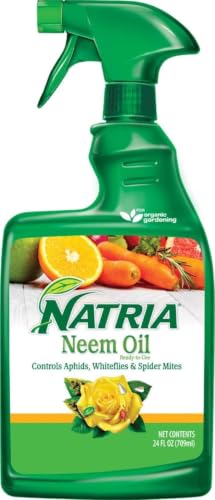
PLANT DISEASE CONTROL: Natria Neem Oil acts as an insecticide and fungicide in one convenient spray; Ready-to-use trigger sprayer requires no mixing

FUNGAL DISEASE CONTROL: Prevents and controls black spot on roses, powdery mildew, rust, downy mildew, and other listed fungal diseases when applied on a 7–14 day schedule

Protect your oasis with Captain Jack’s Neem Max Ready-to-Use Spray; this multipurpose product acts as a 4-in-1 insecticide, fungicide, miticide and nematicide
Aphids
Aphids are small, soft-bodied insects that feed on sap from leaves and stems. They reproduce quickly, making infestations common. Signs of aphid damage include curled leaves and a sticky residue known as honeydew. Control aphid populations by introducing natural predators like ladybugs or by spraying a mixture of water and dish soap directly onto the affected areas.
Spider Mites
Spider mites are tiny arachnids that thrive in hot, dry conditions. They often appear on the undersides of leaves, leading to yellowing and fine webbing. High populations can cause severe damage if left unchecked. To prevent spider mites, maintain adequate moisture and humidity around your trees. Using neem oil or insecticidal soap can also help control their spread.
Fruit Flies
Fruit flies target ripening fruits, laying eggs that hatch into larvae. You’ll notice small holes in the fruit and rotting areas as signs of their presence. To prevent fruit flies, harvest fruits as soon as they ripen. Utilize traps, like vinegar or fruit traps, to monitor and reduce populations. Ensuring good sanitation by cleaning fallen fruit and debris also plays a crucial role in keeping these pests at bay.
Effective Prevention Techniques
Preventing bugs in fruit trees requires a combination of proactive measures. Regular monitoring, utilizing natural solutions, and choosing organic options can greatly reduce pest populations.
Recommended Products

Control diseases and insects in your garden with Captain Jack’s Fruit Tree Spray Concentrate! Use on a variety of listed fruits, nuts and citrus plants.
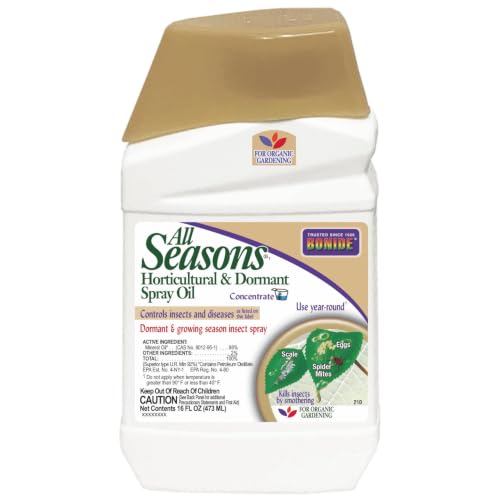
Control insects & diseases in your home garden with All Seasons Horticultural & Dormant Spray Oil Concentrate; use year-round to control listed insects and diseases

Control diseases and insects in your garden with Captain Jack’s Fruit Tree Spray Concentrate! Use on a variety of listed fruits, nuts and citrus plants.
Regular Inspection
Inspect your fruit trees weekly. Look for signs of pests, including discolored leaves or missed fruit. Early detection is key to managing infestations. Use binoculars for a closer look or take a few photos to track changes over time. If you notice aphids or spider mites, take immediate action. Removing affected leaves can minimize the damage.
Natural Predators
Encourage beneficial insects in your garden. Ladybugs and lacewings are great at controlling aphid populations. You can attract them by planting flowers like marigolds or dill. Setting up insect hotels can also provide shelter for these helpful creatures. Creating a diverse garden with various plants helps maintain a balanced ecosystem, reducing the likelihood of pest outbreaks.
Organic Pesticides
Consider using organic pesticides as a last resort. Products containing neem oil, insecticidal soap, or diatomaceous earth can effectively manage pests. Always follow the instructions on the label for application rates and timing. Apply these solutions during the early morning or late evening to minimize impact on beneficial insects. Regularly rotating your choice of pesticide can prevent pests from becoming resistant.
Tips For Maintaining Healthy Trees
Healthy fruit trees thrive when you follow key maintenance practices. Consistent care, including proper pruning and adequate watering, helps prevent pests and diseases.
Recommended Products

IDEAL BRANCH TRIMMER: 28" Steel blade garden bypass lopper that glides through up to 1.5" thick branches for easy cuts; Works well for trimming tree branches to maintain your yard and garden, and to encourage overall plant health and appearance
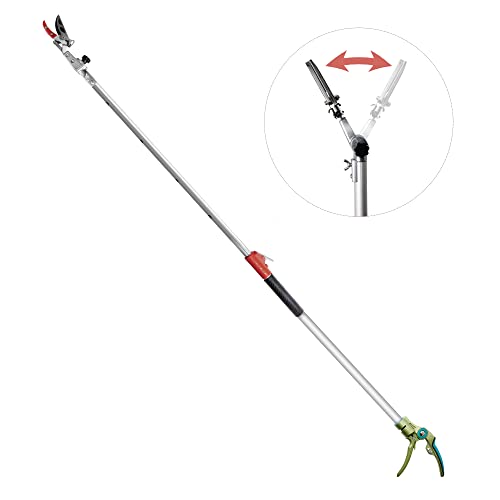
[Helpful Garden Tool] GARTOL brings to you a lightweight and extendable pruning tool to reach out to the least approachable arenas of your garden. You can conveniently get across other plants to remove the fastgrowing brambles and sting nettles without getting scratched or hurt. For gardening lovers, the telescopic pruner cutter head can can be rotated which resolves mobility issues and gives you the pleasure of trimming your garden without bending down or using a ladder to climb and cut them.

[Cut & Hold Pole Pruner for Tree Trimming] This long reach cut and hold pruner makes it easy to grip and remove branches, flowers, or fruit without dropping them. Perfect as a pole fruit picker for harvesting lemons, oranges, apples, or persimmons, and for trimming shrubs and bushes without climbing a ladder.
Proper Pruning
Pruning involves removing dead or overcrowded branches. This process encourages air circulation and sunlight penetration, reducing the risk of disease and pest infestation.
- Timing: Prune during late winter or early spring before new growth appears.
- Tools: Use clean, sharp tools like pruning shears or loppers to make precise cuts.
- Technique: Trim back branches to a healthy bud or join, avoiding leaving stubs that may harbor pests.
Regular pruning also shapes the tree, promoting strong structure and high fruit yields. Aim to prune about 20% of the tree’s growth each year for optimal results.
Adequate Watering
Watering plays a crucial role in tree health. Proper moisture helps trees focus energy on growth and fruit production rather than defense against pests.
- Frequency: Water young trees once a week, giving them 10-15 gallons of water each time. Adjust based on rainfall and temperature.
- Method: Use a soaker hose or drip irrigation to deliver water directly to the roots, minimizing waste.
- Timing: Water in the early morning to reduce evaporation and promote absorption.
Maintaining soil moisture is essential. Mulching around the base of the tree can help retain moisture and regulate soil temperature, providing a healthier environment for root development.
Conclusion
Taking steps to prevent bugs in your fruit trees can make a world of difference. By staying proactive and keeping an eye out for any signs of pests you’ll not only protect your trees but also enjoy a bountiful harvest. Remember to embrace natural solutions and maintain a healthy garden ecosystem.
Regular monitoring and proper care are key. With a little effort you can create a thriving environment for your fruit trees while reducing the need for chemicals. So go ahead and implement these strategies to ensure your trees stay healthy and productive. Happy gardening!
Frequently Asked Questions
What pests commonly affect fruit trees?
Common pests affecting fruit trees include aphids, spider mites, and fruit flies. Aphids feed on sap and can cause leaf curling, while spider mites thrive in dry conditions, leading to yellow leaves and webbing. Fruit flies target ripening fruits, creating holes and rot, making effective pest management crucial for tree health and fruit production.
How can I prevent pests on my fruit trees?
Preventing pests involves regular monitoring for signs of trouble, such as discolored leaves or damaged fruit. Introduce natural predators, utilize organic solutions like neem oil, and ensure your garden attracts beneficial insects. Maintaining cleanliness and proper care, like watering and pruning, also reduces pest risks.
Why is preventing pests important for fruit trees?
Preventing pests is vital as it protects tree health, enhances yields, minimizes chemical use, and saves time and money. A healthy tree is less susceptible to diseases, leading to better fruit production and preserving biodiversity in your garden.
How often should I check my fruit trees for pests?
You should inspect your fruit trees at least once a week for signs of pests. Early detection is key to managing infestations effectively, allowing for timely action to protect your trees and harvest.
What are some natural solutions for controlling fruit tree pests?
Natural solutions include introducing beneficial insects like ladybugs, using soapy water to manage aphids, and applying neem oil for spider mites. Creating a diverse garden helps maintain a balanced ecosystem, reducing pest populations naturally.
