

Selecting the right fruit trees for Toledo, OH requires understanding the local climate and soil conditions. By choosing varieties that thrive in Ohio’s environment, you can maximize your yield and ensure healthy growth.
Fruit Trees Ideal for Toledo’s Climate
Toledo’s climate offers unique opportunities for growing a variety of fruit trees that thrive in its specific conditions. Understanding which trees are best suited for the region can enhance your gardening experience and yield delicious results. This section highlights the top fruit trees that flourish in Toledo, ensuring you make informed choices for your landscape.
Toledo’s climate is characterized by cold winters and warm summers, making it essential to choose fruit trees that can withstand these conditions. The following fruit trees are well-suited for the region:
Apple Trees: Varieties like Honeycrisp and Fuji thrive in Ohio’s soil.
Pear Trees: Bartlett and Bosc are popular choices for their hardiness.
Cherry Trees: Sweet cherries like Bing and sour varieties like Montmorency perform well.
Peach Trees: Look for Elberta and Redhaven for reliable production.
| Fruit Tree Type | Best Varieties | Chill Hours Required | Average Yield |
|---|---|---|---|
| Apple | Honeycrisp, Fuji | 600-1,000 | 100-200 lbs |
| Pear | Bartlett, Bosc | 500-1,000 | 100-150 lbs |
| Cherry | Bing, Montmorency | 700-1,200 | 50-100 lbs |
| Peach | Elberta, Redhaven | 600-1,000 | 50-150 lbs |
Ohio Soil Amendments for Fruit Tree Health
To ensure healthy growth and fruitful yields, understanding soil amendments specific to Ohio is essential for fruit tree cultivation. The unique characteristics of Toledo’s soil require tailored management strategies to enhance nutrient availability and improve overall soil structure. This section explores effective amendments that can boost the health of your fruit trees in the region.
Effective soil management is crucial for the health of your fruit trees. Ohio’s soil can vary, but it generally consists of clay and loam, requiring specific amendments to optimize growth.
Soil Testing: Conduct a soil test to determine pH and nutrient levels.
Amendments: Add organic matter like compost to improve soil structure.
pH Adjustment: Aim for a pH between 6.0 and 7.0 for optimal nutrient uptake.
Recommended Products

Quick, at home results for Soil pH, Nitrogen, Phosphrous and Potash

Quick, at home results for Soil pH, Nitrogen, Phosphorous and Potash Innovative and inexpensive soil test kit features an easy-to-use capsule system and patented color comparators

KNOW BEFORE YOU GROW | Grow the healthiest, sustainable lawn and garden with the most accurate and easy to use professional soil test kit on the market
Soil Testing Steps for Fruit Trees
Understanding the soil composition is crucial for successful fruit tree cultivation in Toledo, OH. Soil testing provides essential insights into nutrient levels, pH balance, and organic matter content, enabling you to tailor your management practices effectively. This section outlines the steps to conduct soil tests, ensuring your fruit trees thrive in the local environment.
Testing your soil is the first step in effective management. Follow these steps:
Collect Samples: Take samples from multiple locations in your yard.
Send to Lab: Use a reputable lab for analysis.
Review Results: Check for pH, nitrogen, phosphorus, and potassium levels.
Soil Amendments for Toledo Fruit Trees
To cultivate thriving fruit trees in Toledo, understanding the local soil conditions is essential. The right soil amendments can enhance nutrient availability and improve drainage, ensuring your trees grow strong and healthy. This section explores effective soil management strategies tailored to the unique needs of fruit trees in Ohio’s climate and soil types.
Once you have your soil test results, consider these amendments:
Compost: Enhances soil structure and provides nutrients.
Lime: Raises pH if soil is too acidic.
Sulfur: Lowers pH if soil is too alkaline.
Irrigation Strategies for Toledo Fruit Trees
Effective irrigation is crucial for the success of fruit trees in Toledo’s climate and soil conditions. Understanding the local weather patterns and soil moisture levels can help you develop a tailored irrigation strategy. This section explores practical methods to ensure your fruit trees receive the right amount of water throughout the growing season.
Proper watering is vital for fruit tree health. Toledo experiences varying rainfall, making irrigation planning essential.
Drip Irrigation: This method delivers water directly to the roots.
Mulching: Apply organic mulch to retain moisture and suppress weeds.
Watering Schedule: Water deeply once a week during dry spells.
Recommended Products
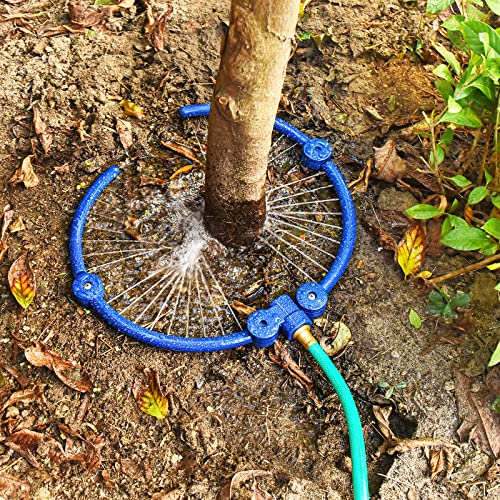
【Specially Designed for Trees and Shrubs】 The Watering Ring is a multi-purpose irrigation ring that attaches to a garden hose to efficiently water young trees shrubs vegetables or flower beds using drip or trickle irrigation.It directs water to the root perimeter of the plant to give them a good start during the first two growing seasons or through periods of drought.


Core Functionality: Designed as essential irrigation system clamps, these garden tube buckles securely fasten drip tubes and support hanging fruit trees, ensuring stable and efficient water in your irrigation setup
Irrigation System Efficiency for Fruit Trees
In Toledo, effective irrigation is crucial for the health and productivity of fruit trees. Understanding how to optimize your irrigation system can significantly enhance water efficiency, ensuring your trees receive the right amount of moisture throughout the growing season. This section explores practical strategies to improve irrigation practices tailored to the unique climate and soil conditions of Ohio.
Setting up an efficient irrigation system can save time and resources. Consider these steps:
Choose System Type: Decide between drip or sprinkler systems.
Install Timers: Automate watering to ensure consistency.
Monitor Soil Moisture: Use a moisture meter to prevent overwatering.
Fruit Tree Pest and Disease Prevention
Maintaining the health of fruit trees in Toledo requires vigilance against pests and diseases that can threaten their growth and yield. Understanding common threats and implementing preventive measures is crucial for successful cultivation. This section will explore effective strategies to protect your fruit trees and ensure a bountiful harvest.
Protecting your fruit trees from pests and diseases is essential for a successful harvest. Regular monitoring and preventive measures can minimize issues.
Common Pests: Aphids, spider mites, and codling moths are prevalent.
Diseases: Fungal infections like apple scab and powdery mildew can affect trees.
Preventive Measures: Use organic pesticides and maintain tree health through pruning.
Recommended Products

Control diseases and insects in your garden with Captain Jack’s Fruit Tree Spray Concentrate! Use on a variety of listed fruits, nuts and citrus plants.

KILLS LISTED FRUIT & CITRUS TREE INSECTS: Controls Asian Citrus Psyllid, Whiteflies, Aphids Thrips, Citrus Leafminers, Leafhoppers, Blackfly, Mealybugs, Scales, Avocado Lacebugs, Oriental Beetles, Flea Beetles, Sharpshooters, and Spittlebugs

Control diseases and insects in your garden with Captain Jack’s Fruit Tree Spray Concentrate! Use on a variety of listed fruits, nuts and citrus plants.
Pest Control Strategies for Fruit Trees
Managing pests is crucial for maintaining healthy fruit trees in Toledo’s unique climate. Understanding the common pests that affect local varieties and implementing effective control strategies can significantly enhance fruit yield and tree vitality. This section will explore practical methods to protect your trees from pests while promoting sustainable gardening practices.
Implementing an Integrated Pest Management strategy can help control pests effectively. Steps include:
Monitoring: Regularly inspect trees for signs of pests.
Cultural Practices: Maintain tree health to reduce susceptibility.
Biological Controls: Introduce beneficial insects to manage pest populations.
Essential Seasonal Maintenance for Fruit Trees
Maintaining fruit trees in Toledo requires attention to seasonal tasks that promote healthy growth and fruitful yields. Understanding the specific needs of each season will help ensure your trees thrive in Ohio’s unique climate. This section outlines essential maintenance practices to keep your fruit trees robust and productive throughout the year.
Seasonal care is vital for the longevity and productivity of your fruit trees. Regular maintenance ensures trees remain healthy and fruitful.
Pruning: Conduct late winter or early spring pruning to encourage growth.
Fertilization: Apply a balanced fertilizer in early spring.
Harvesting: Monitor fruit ripeness and harvest at the right time for best flavor.
Year-Round Care for Toledo Fruit Trees
Toledo’s climate presents unique challenges and opportunities for fruit tree cultivation. Understanding the year-round care required for these trees is essential for successful growth and bountiful harvests. This section will explore the specific maintenance practices that will help your fruit trees thrive throughout the seasons in Ohio’s soil conditions.
Use this checklist to keep your fruit trees in top shape throughout the year:
| Season | Task |
|---|---|
| Spring | Prune and fertilize |
| Summer | Monitor pests and water |
| Fall | Harvest and mulch |
| Winter | Protect against frost |
Regular attention to these areas will ensure your fruit trees thrive in Toledo’s climate.
