

Growing banana trees in El Paso, TX is feasible with the right techniques tailored to the high desert climate. By selecting suitable varieties and implementing proper care, you can successfully cultivate these tropical plants in a challenging environment.
Best Banana Tree Varieties for El Paso
Choosing the right banana tree variety is crucial for successful growth in El Paso’s unique climate. The most suitable varieties for high desert conditions include the Dwarf Cavendish and Lady Finger. These varieties are more resilient to temperature fluctuations and can adapt to the lower humidity levels typical of the region.
Consider the following factors when selecting your banana tree:
Growth height: Dwarf varieties are ideal for smaller spaces.
Fruit type: Choose based on your taste preference and intended use.
Cold tolerance: Look for varieties that can withstand occasional frost.
| Variety | Height | Cold Tolerance | Fruit Type |
|---|---|---|---|
| Dwarf Cavendish | 4-6 feet | Moderate | Sweet, large |
| Lady Finger | 5-7 feet | Moderate | Sweet, small |
Site Preparation for Healthy Banana Growth
Preparing the site for banana trees in El Paso’s high desert climate is crucial for their successful growth. The right soil conditions, drainage, and sun exposure can significantly impact the health and productivity of these tropical plants. Understanding how to create an optimal environment will set the foundation for thriving banana trees in this challenging landscape.
Proper site preparation is essential for healthy banana growth. Choose a location that receives full sun for at least six hours daily. The soil should be well-draining and rich in organic matter.
Follow these steps for effective site preparation:
Clear the area of weeds and debris.
Test the soil pH, aiming for a range of 5.5 to 7.0.
Amend the soil with compost or well-rotted manure to enhance fertility.
Soil Requirements and Irrigation for Bananas
Understanding the soil requirements and irrigation needs for banana trees is crucial for successful cultivation in El Paso’s unique high desert climate. This section will explore the ideal soil composition and moisture levels necessary to support healthy growth and fruit production, ensuring that your banana trees thrive despite the challenging environmental conditions.
Banana trees thrive in nutrient-rich, well-draining soil. Regular watering is also critical, especially during the hot summer months.
Implement these watering and soil strategies:
Water deeply once a week, allowing the soil to dry slightly between waterings.
Mulch around the base to retain moisture and regulate soil temperature.
Fertilize every 6-8 weeks with a balanced fertilizer high in potassium.
Frost Protection Strategies for Banana Trees
In El Paso’s high desert climate, protecting banana trees from frost is crucial for their survival and growth. Understanding effective frost protection strategies can help gardeners ensure their plants thrive despite the challenges posed by cold temperatures. This section outlines practical methods to safeguard banana trees during frosty nights.
El Paso’s high desert climate can pose challenges for banana trees, particularly during colder months. Protecting your plants from frost is vital for their survival.
Consider these temperature management techniques:
Use row covers during cold nights to trap heat.
Plant in a sheltered area to reduce wind exposure.
Consider container planting for easier relocation during frost events.
Recommended Products
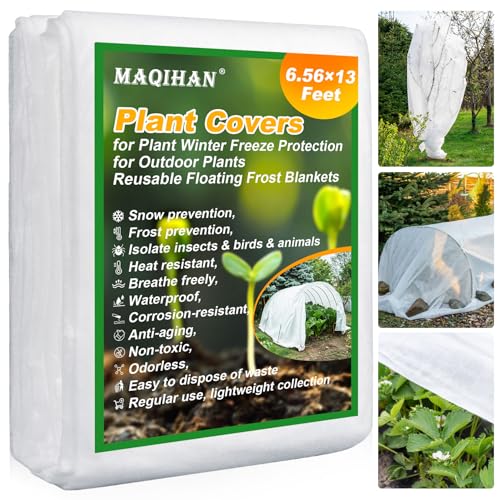
Product Features: Our plant covers are ideal for protecting all plant. Made from premium 1 oz/sq non-woven fabric, their durability and breathability ensuring both insulation against frost and facilitation of sunlight penetration for healthy plant growth

Comprehensive Winter Protection for Your Garden: Our outdoor plant covers provide complete freeze protection for strawberries, vegetables, tomatoes, fruit trees, citrus plants, shrubs, and potted plants throughout the winter. This frost cloth plant freeze protection shields delicate plants from sudden temperature drops, frost, and strong winds, ensuring they survive harsh winter conditions. Ideal for those looking for frost blankets for outdoor plants and reliable plant freeze protection covers.

【Winter plant covers freeze protection】Our plant covers freeze protection provide effective protection for your plants, crops, late-season tomatoes, and blooming trees from harsh winter weather like cold snaps, frost, cold winds, sleet, snow, and low temperatures—down to 27-28°F. Despite the cold, the row covers for vegetables allows air, water, and 70% of sunlight to reach your plants, helping protect delicate vegetation.
Banana Tree Pest and Disease Management
Managing pests and diseases is crucial for successfully growing banana trees in El Paso’s unique high desert environment. The region’s climate can present specific challenges, making it important to identify common threats and implement effective strategies. Understanding these factors will help ensure healthy growth and fruitful yields.
Banana trees can be susceptible to pests and diseases, which can hinder growth and fruit production. Regular monitoring and preventive measures are essential.
Focus on these pest and disease management strategies:
Inspect regularly for signs of pests such as aphids and spider mites.
Apply organic insecticides if infestations occur.
Practice crop rotation to minimize disease buildup in the soil.
Banana Harvesting Techniques for El Paso
Harvesting bananas in El Paso requires specific techniques tailored to the region’s unique climate and growing conditions. Understanding the optimal timing and methods for harvesting can significantly impact the quality and yield of your banana crop. This section will explore effective strategies to ensure a successful harvest in the high desert environment.
Once your banana trees mature, harvesting the fruit is a rewarding experience. Bananas typically take 9-12 months to produce fruit after flowering.
To ensure optimal harvesting:
Monitor fruit size: Harvest when the bananas are plump and slightly green.
Cut the entire bunch with a sharp knife to avoid damaging the plant.
Allow to ripen at room temperature before consumption for the best flavor.
El Paso Banana Cultivation Best Practices
El Paso’s unique high desert climate presents both challenges and opportunities for growing banana trees. Understanding the best practices for cultivation in this region can significantly enhance your chances of success. From soil preparation to watering techniques, these tips will help you nurture healthy banana plants in the arid conditions of West Texas.
Growing banana trees in El Paso requires attention to detail and adaptability to local conditions. Regular care and monitoring will yield a fruitful harvest.
Stay informed about local weather conditions.
Join local gardening groups for shared experiences and advice.
Document your progress to refine your techniques over time.
