

Grapefruit trees can thrive in West Virginia’s Appalachian climate with proper care and attention. Key factors include selecting the right variety, understanding soil needs, and implementing effective pest management strategies.
Recommended Grapefruit Varieties for Appalachia
When considering grapefruit trees for cultivation in West Virginia, it’s essential to select varieties that thrive in the region’s unique climate and soil conditions. The following recommendations highlight the most suitable grapefruit types that can flourish in the Appalachian environment, ensuring both resilience and fruitful yields for local growers.
Choosing the right grapefruit variety is crucial for success in West Virginia. Some varieties are more tolerant of cooler temperatures and can adapt better to the regional climate. The following varieties are recommended for Appalachian growers:
Ruby Red: Known for its sweet flavor and vibrant color, this variety is popular among home gardeners.
Pink Marsh Seedless: This variety offers a sweeter taste and is also seedless, making it a favorite for fresh consumption.
White Marsh: A hardy option that can withstand cooler temperatures, ideal for the Appalachian region.
Recommended Products
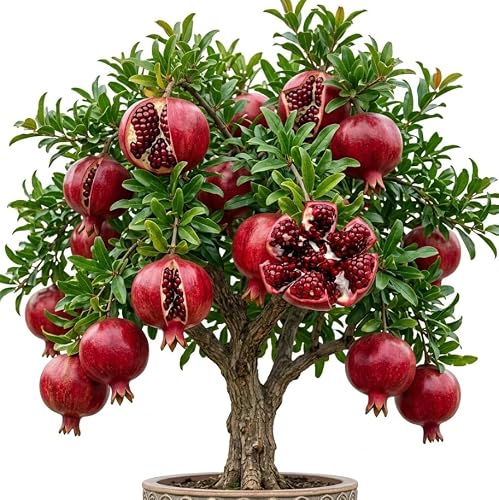
Each order includes a live red pomegranate plant, carefully grown and ready to thrive in your garden or home.

🍇 Sweet, Medium-Sized Figs – Rich flavor with glossy dark purple skin and vibrant interior.

Seedless, Sweet, and Healthy Homegrown Fruit: The Ruby Red is America's favorite grapefruit. The fruit is seedless and easy to peel, prepare and enjoy,,,especially since you can now harvest right from home!
Grapefruit Tree Soil Quality Essentials
Understanding the soil quality essentials for grapefruit trees is crucial for successful cultivation in West Virginia’s unique Appalachian climate. The right soil conditions can significantly impact growth, fruit production, and overall tree health. This section delves into the specific soil requirements and management practices necessary to thrive in this region.
Soil quality plays a significant role in the health of grapefruit trees. The ideal soil should be well-draining and rich in organic matter. Here are key soil characteristics to consider:
pH Level: Aim for a pH between 6.0 and 7.0. Test soil to ensure proper acidity.
Drainage: Ensure soil has good drainage to prevent root rot. Heavy clay soils may require amendments.
Organic Matter: Incorporate compost or well-rotted manure to improve soil structure and nutrient content.
| Soil Characteristic | Ideal Range |
|---|---|
| pH Level | 6.0 – 7.0 |
| Organic Matter | 3-5% |
| Drainage | Well-draining |
Grapefruit Tree Watering Guidelines
Proper watering is essential for the successful growth of grapefruit trees in West Virginia’s unique climate. Understanding the specific needs of these trees can help ensure they thrive in the Appalachian environment. This section outlines effective watering guidelines tailored to enhance the health and productivity of grapefruit trees in the region.
Watering grapefruit trees correctly is essential for their growth and fruit production. Overwatering can lead to root rot, while underwatering can stress the tree. Follow these guidelines:
Frequency: Water deeply once a week, adjusting based on rainfall.
Method: Use drip irrigation to deliver water directly to the roots.
Mulching: Apply a layer of mulch to retain soil moisture and regulate temperature.
Recommended Products
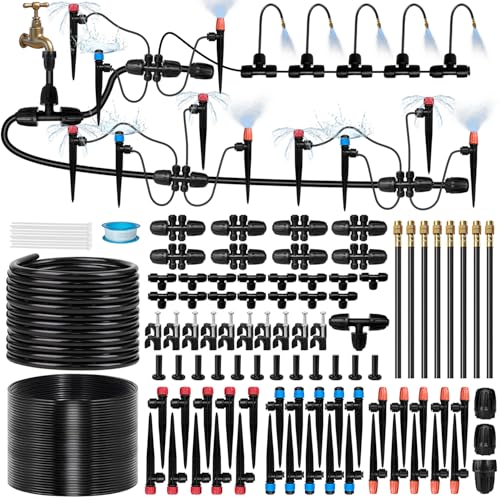
【Upgraded Tube Design & Water Saving】 Our garden watering system is upgraded to 1/2” diameter to support high water pressure. The 1/2” tee connector allows seamless splitting into 2 independent zones for customized watering schedules. By delivering moisture directly to root zones, this drip Irrigation system significantly reduces evaporation and runoff—saving more water compared to conventional sprinklers while eliminating the need for manual watering.

NO MORE HARD INSTALLATION - SET UP IN MINUTES. Tired of struggling with stiff barbed fittings? This drip irrigation system features quick-connect fittings that let you push, lock, and secure tubing effortlessly. No tools, no leaks, just a smooth setup experience. Enjoy a frustration-free installation and get your garden watering system running in minutes.
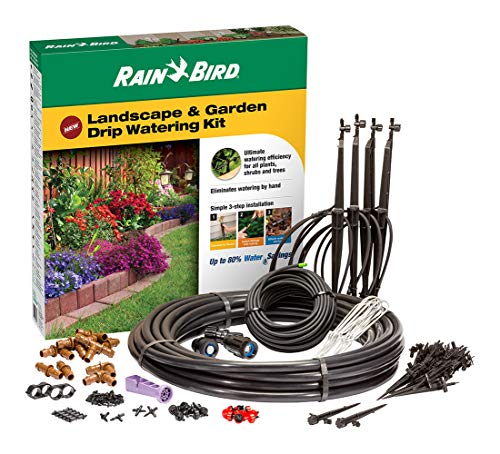
Comprehensive 108-piece kit for flower beds, gardens and landscaped areas; eliminates hand watering, saves time and money
Grapefruit Tree Pest Management Techniques
Managing pests effectively is crucial for the health of grapefruit trees in West Virginia’s unique Appalachian climate. This section explores various techniques tailored to combat common pests, ensuring that growers can maintain robust trees and achieve successful yields. Understanding these strategies will help enhance the overall cultivation experience for local farmers.
Pests can significantly impact grapefruit tree health. Regular monitoring and proactive measures are necessary. Here are common pests and management techniques:
Aphids: Use insecticidal soap to control infestations.
Scale Insects: Scrape off by hand or apply horticultural oil.
Citrus Leafminers: Remove affected leaves to reduce their spread.
| Pest Type | Control Method |
|---|---|
| Aphids | Insecticidal soap |
| Scale Insects | Horticultural oil |
| Citrus Leafminers | Hand removal |
Fertilization Techniques for Grapefruit Trees
Fertilizing grapefruit trees in West Virginia requires a tailored approach to address the unique challenges of the Appalachian climate. Understanding the specific nutrient needs and optimal application methods can significantly enhance growth and fruit yield. This section explores effective fertilization techniques that promote healthy development for grapefruit trees in this region.
Proper fertilization supports healthy grapefruit tree growth. Use a balanced fertilizer to provide essential nutrients. Key points include:
Timing: Fertilize in early spring and again in late summer.
Type: Use a slow-release fertilizer with a ratio of 8-8-8 or similar.
Application: Follow package instructions for application rates based on tree age and size.
Grapefruit Tree Pruning Best Practices
Pruning grapefruit trees is essential for promoting healthy growth and maximizing fruit production, especially in the unique climate of West Virginia. Understanding the best practices for pruning can help ensure that these trees thrive in the Appalachian environment, allowing gardeners to enjoy the fruits of their labor. This section outlines effective techniques tailored for grapefruit trees in this region.
Pruning is vital for maintaining the shape and health of grapefruit trees. It encourages air circulation and sunlight penetration. Here are essential pruning tips:
Timing: Prune in late winter before new growth begins.
Technique: Remove dead or crossing branches to improve airflow.
Shaping: Aim for an open center to allow light to reach all parts of the tree.
| Pruning Task | Recommended Timing |
|---|---|
| Remove dead branches | Late winter |
| Shape tree | Late winter |
| Thin out crowded areas | Late winter |
Frost Protection Strategies for Grapefruit Trees
Grapefruit trees can thrive in West Virginia’s unique climate, but frost poses a significant threat to their growth and fruit production. Implementing effective frost protection strategies is essential for ensuring the health and yield of these trees. This section explores various methods to safeguard grapefruit trees from the damaging effects of cold temperatures.
Frost can damage grapefruit trees, especially in early spring. Implement protective measures to safeguard your trees. Consider the following strategies:
Covering: Use frost cloths or blankets to cover trees during cold nights.
Location: Plant trees in sheltered areas to reduce frost exposure.
Watering: Keep soil moist to help retain heat around the roots.
Recommended Products

BETTER SOLUTION FOR DOING ORGANIC GARDENING:If you are doing organic gardening, or just want to reduce pesticide use, Remiawy shrub winter covers are the better choice for you. Reusable season after season,this quality winter shrub cover is made from tear-proof and breathable fabric. The material allows air and moisture to reach plants. Remiawy plant covers for animal protection will help protect branches buds and fruits from hungry deer,rabbits,worms and birds

PRODUCT FEATURES: Our plant covers are ideal for protecting all plant. Made from premium 1.4 oz/sq non-woven fabric, their durability and breathability ensuring both insulation against frost and facilitation of sunlight penetration for healthy plant growth

ALL-SEASON PLANT PROTECTION - Safeguard your plants through the harsh winters with our breathable Plant Frost Cover, designed to shield against frost, freezing temperatures, snow, and harsh winds. Extend your growing season into the colder months while ensuring your plants thrive year-round.
Optimal Harvest Timing for Grapefruit
Understanding the optimal harvest timing for grapefruit is crucial for maximizing yield and quality in West Virginia’s unique climate. This section delves into the best practices and seasonal indicators that can help growers determine the perfect moment to pick their fruit, ensuring a successful and bountiful harvest in the Appalachian region.
Harvesting grapefruit at the right time ensures optimal flavor and sweetness. Here are tips for determining when to pick:
Color: Look for a vibrant color that indicates ripeness.
Firmness: Gently squeeze the fruit; it should feel firm but slightly give under pressure.
Taste Test: Sample a fruit to check for sweetness before harvesting the entire crop.
| Harvest Indicator | Description |
|---|---|
| Color | Vibrant and evenly colored |
| Firmness | Slight give under pressure |
| Taste | Sweetness confirmed by taste test |
