

Have you ever dreamed of sipping on a glass of your very own homemade wine, crafted from grapes grown right in your backyard? Picture this: the sun-kissed vineyard stretching before you, laden with plump, juicy grapes just waiting to be turned into a delicious vintage.
Imagine the satisfaction of nurturing your grapevines from tiny buds to full fruition, knowing that each bottle poured will carry the essence of your hard work and dedication. In this article, we’ll guide you through the art of growing grapes for wine, sharing expert tips and tricks to help you cultivate a bountiful harvest and create your signature blend.
Get ready to embark on a journey into the world of winemaking, where every vine tells a story and every sip is a taste of passion and patience. Join us as we explore the steps to grow grapes that will elevate your wine game and bring joy to every glass poured.
Key Takeaways
- Understanding the basics of viticulture is crucial for successful grape cultivation.
- Selecting the right grape varieties based on climate and soil conditions is key to a bountiful harvest.
- Adequate soil preparation, including nutrient enrichment and pH adjustment, is essential before planting grapevines.
- Implementing proper trellis systems and vine care practices throughout the seasons promotes healthy growth and optimal grape production.
- Harvest grapes at the right time by considering ripeness indicators like color changes, sugar content, and taste profiles.
- Following correct post-harvest procedures ensures the preservation of grape quality for successful winemaking.
Understanding the Basics of Viticulture
When it comes to growing grapes for wine, understanding the basics of viticulture is essential. By mastering key concepts in grape cultivation, you can enhance the quality and yield of your harvest. Let’s delve into two crucial aspects that will set a strong foundation for your winemaking journey.
Choosing the Right Grape Varieties
Selecting the appropriate grape varieties is the first step towards a successful vineyard. Different grape varieties thrive in various climates and soil conditions. Consider factors such as acidity levels, sugar content, tannins, and flavor profiles when choosing your grapes. For example, if you prefer a full-bodied red wine, varieties like Cabernet Sauvignon or Merlot might be suitable choices. On the other hand, if you enjoy a crisp white wine, options like Chardonnay or Sauvignon Blanc could be more fitting.
Understanding Your Climate and Soil
The climate and soil composition play pivotal roles in grape cultivation. Grapes require specific temperature ranges and sunlight exposure to flourish. Research your region’s climate to determine which grape varieties are best suited for your area. Additionally, soil quality impacts grape growth significantly. Factors such as drainage, pH levels, and nutrient content influence how well vines develop. Conduct soil tests to assess its composition accurately; this will help you make informed decisions when planting your vines.
By carefully selecting grape varieties tailored to your climate and understanding your soil characteristics, you pave the way for a bountiful harvest of grapes primed for winemaking success.
Preparing the Vineyard
When it comes to preparing your vineyard for growing grapes specifically for winemaking, there are essential steps you need to take to ensure a successful harvest. Let’s dive into the key aspects of getting your vineyard ready.
Recommended Products

Quick, at home results for Soil pH, Nitrogen, Phosphorous and Potash Innovative and inexpensive soil test kit features an easy-to-use capsule system and patented color comparators

Kindly NOTE: This soil tester can not be applied to test pH value of any other liquid. If the soil is too dry the indicator will not move, and water it before testing.

KNOW BEFORE YOU GROW | Grow the healthiest, sustainable lawn and garden with the most accurate and easy to use professional soil test kit on the market
Soil Preparation and Nutrition Needs
Before planting grapevines, it’s crucial to prepare the soil adequately. Grapes thrive in well-draining soil with good fertility. Conduct a soil test to understand its composition and pH level. Adjust the pH if needed by adding lime to raise it or sulfur to lower it.
To enrich the soil, consider adding organic matter like compost or well-rotted manure. This improves soil structure, provides essential nutrients, and enhances water retention capacity. Remember that different grape varieties have varying nutrient requirements, so tailor your fertilization plan accordingly.
Planting and Trellis Systems
Select a suitable site for planting grapevines that receives adequate sunlight and airflow. Ensure proper spacing between vines to allow for growth and airflow around the plants. Dig holes deep enough to accommodate the roots without bending them during planting.
Implement a trellis system early on to support the vines as they grow. Different trellis systems exist, such as vertical shoot positioning or high wire systems, each offering benefits depending on your vineyard size and grape variety.
By focusing on soil preparation tailored to grapevine needs and implementing appropriate planting techniques with an efficient trellis system, you set the stage for healthy vine growth and optimal grape production for winemaking.
Vine Care Through the Seasons
When it comes to caring for your grapevines throughout the year, there are key tasks to focus on during each season. Proper vine care ensures healthy growth and optimal grape production for your winemaking endeavors.
Recommended Products

CLEAN CUTS FOR LIVE GROWTH: Bypass blade design is ideal for pruning delicate flower stems and green growth, helping reduce crushing and plant damage while cutting stems and small branches up to 5/8” in diameter

Reduce Hand Strain: These micro tip snips are made to reduces hand fatigue which makes them great for those with arthritis, carpal tunnel, hand or wrist issues; Comfortable “grip” handles will make it easy to work for long-time use without making you feel hand pain
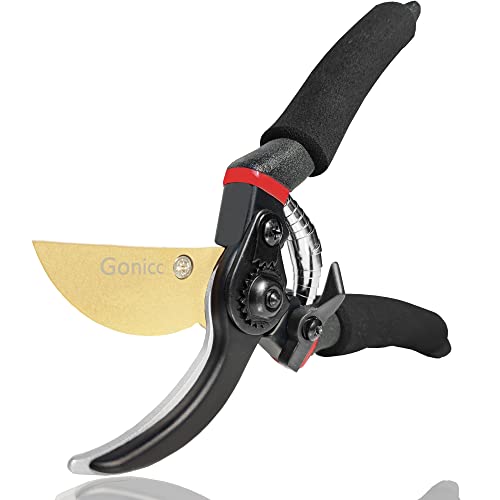
Drop-forged construction delivers exceptional durability and sturdiness for long-term heavy garden use.
Pruning and Training
Pruning and training your grapevines are essential practices that directly impact their growth, fruit quality, and overall productivity. Here’s a breakdown of what you need to consider:
- Winter Pruning: During late winter while the vines are dormant, it’s time to prune. Remove old wood and select the best canes to encourage new growth in the coming season.
- Spring Training: As new shoots emerge in spring, guide them along trellises or wires for support. Train the young vines carefully to establish a structured framework for future growth.
- Summer Maintenance: Continuously monitor vine growth during summer. Trim excess foliage to allow sunlight penetration and air circulation around the clusters for healthy ripening.
Irrigation and Pest Management
Proper irrigation and pest management practices play a crucial role in maintaining vine health and safeguarding grape yields from potential threats. Here’s how you can effectively manage these aspects:
- Watering Techniques: Ensure consistent soil moisture levels by watering deeply but infrequently. Adjust irrigation based on weather conditions, avoiding water stress or excess moisture that can harm the vines.
- Pest Control Strategies: Regularly inspect vines for signs of pests or diseases. Implement integrated pest management techniques such as natural predators, traps, or organic sprays to mitigate infestations without harming beneficial organisms.
By following these guidelines for pruning, training, irrigation, and pest management throughout the seasons, you’ll nurture robust grapevines capable of producing high-quality grapes ideal for crafting your own delicious wines at home.
Harvesting and Beyond
When it’s time to harvest your grapes for winemaking, you need to pay attention to a few key factors. Here’s what you should consider:
Knowing When to Harvest
Harvesting grapes at the right time is crucial for producing quality wine. The optimal time for harvesting varies depending on the grape variety and desired wine style. To determine when your grapes are ready, look for specific signs of ripeness such as color changes, sugar content, acidity levels, and taste profiles. You can perform regular taste tests to assess the flavor development and ensure that the grapes have reached their peak ripeness before picking.
Post-Harvest Handling for Winemaking
After harvesting your grapes, proper post-harvest handling is essential to preserve their quality for winemaking. Once picked, grapes should be processed quickly to prevent spoilage and oxidation. Remove any damaged or unripe berries before crushing and pressing the grapes to extract the juice needed for fermentation. Pay close attention to hygiene during this process to avoid contamination that could affect the final wine product. Properly store the extracted juice in clean containers at controlled temperatures until you’re ready to begin winemaking.
By understanding when to harvest your grapes and following correct post-harvest procedures, you’ll set yourself up for success in producing delicious homemade wines from your own vineyard.
Conclusion
Growing grapes for wine is a rewarding journey that requires dedication and attention to detail. By selecting the right grape varieties, tending to your vineyard with care throughout the seasons, and implementing proper vine management techniques, you can nurture healthy grapevines that yield high-quality fruit for winemaking. Remember to pay close attention to pruning, training, irrigation, and pest control practices to ensure optimal growth and grape production. Harvesting at the right moment based on ripeness indicators is crucial for crafting delicious wines from your homegrown grapes. With a focus on post-harvest handling procedures like quick processing and proper storage, you can maintain the quality of your grapes’ juice for exceptional homemade wines. Embrace this process with enthusiasm and patience, and soon you’ll be savoring the fruits of your labor in each bottle of wine you produce. Cheers to your successful grape-growing venture!
Frequently Asked Questions
1. What are the key factors to consider when selecting grape varieties for winemaking?
Select grape varieties based on your climate and soil conditions to ensure optimal growth and quality for winemaking.
2. How should I prepare my vineyard for growing grapes?
Prepare your vineyard by choosing a suitable location with good sunlight exposure, well-drained soil, and proper air circulation.
3. What trellis systems are recommended for cultivating grapevines?
Implement appropriate trellis systems like vertical shoot positioning or high wire cordon to support vine growth and facilitate maintenance tasks.
4. Why is pruning important for grapevines throughout the seasons?
Pruning helps maintain vine health, control canopy growth, improve airflow, and promote fruit quality in winter, spring, and summer.
5. How can irrigation techniques benefit grapevine growth?
Proper irrigation techniques help regulate water supply, prevent stress during dry periods, and promote healthy vine development.
6. What strategies can be used for pest management in grape cultivation?
Employ integrated pest management strategies involving cultural practices, natural predators, and targeted treatments to control pests effectively.
7. When is the ideal time to harvest grapes for winemaking?
Harvest grapes at peak ripeness indicated by color changes, sugar content levels, taste tests, and other maturity indicators specific to each grape variety.
8. Why is post-harvest handling crucial for maintaining grape quality?
Quick processing after harvest removes damaged berries promptly while proper storage of extracted juice preserves freshness and flavor integrity.
