

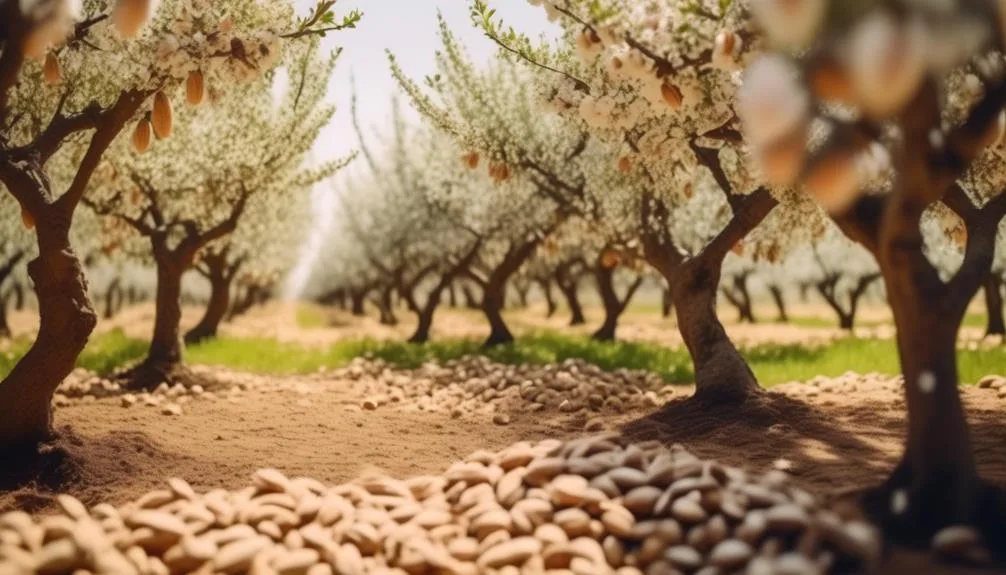
So, you've just planted your almond trees and now you're thinking about the best organic fertilizer to help them grow strong and produce a good harvest.
It can be overwhelming to choose from all the options out there.
Let's take a look at some top organic fertilizers that will give your almond trees the nutrients they need to thrive.
Key Takeaways
- Organic fertilizers for almond trees enhance soil fertility and promote healthier growth.
- Different types of organic fertilizers, such as compost, fish emulsion, bone meal, nutrient-rich compost, and seaweed-based fertilizers, provide essential nutrients for almond trees.
- When applying organic fertilizers, it is important to conduct a soil test, ensure even distribution around the drip line, consider mulching, and apply fertilizers during the growing season.
- Best practices for using organic fertilizers on almond trees include thorough coverage of the drip line, incorporating sustainable farming practices, monitoring soil pH levels, utilizing composted organic materials, and following eco-friendly practices to prevent environmental pollution.
Benefits of Organic Fertilizers for Almond Trees
Using organic fertilizers for your almond trees can enhance soil fertility and promote healthier growth. Organic fertilizers contribute to the overall soil health, providing essential nutrients that benefit the trees and the surrounding ecosystem.
These fertilizers contain natural ingredients that support nutrient absorption, ensuring that your almond trees receive the necessary elements for robust growth and development. By choosing organic fertilizers, you not only nurture your trees but also help maintain a balanced and sustainable environment.
The organic matter in these fertilizers improves soil structure, water retention, and microbial activity, creating a thriving habitat for your almond trees. Investing in organic fertilizers for your almond trees is a proactive step towards fostering a resilient and flourishing orchard while preserving the natural integrity of the soil.
Types of Organic Fertilizers for Almond Trees
To effectively nourish your almond trees, a variety of organic fertilizers can be utilized, each offering specific benefits to support their growth and health. When choosing organic fertilizers for your almond trees, it's essential to consider nutrient absorption and soil composition. Here are some types of organic fertilizers that are particularly beneficial for almond trees:
| Organic Fertilizer | Nutrient Content | Benefits |
|---|---|---|
| Compost | Nitrogen, Phosphorus, Potassium | Improves soil structure, enhances nutrient absorption |
| Fish Emulsion | Nitrogen, Phosphorus | Promotes healthy foliage growth, enhances fruit development |
| Bone Meal | Phosphorus, Calcium | Strengthens root development, supports overall tree health |
Each of these organic fertilizers contributes to the nutrient absorption and soil composition necessary for the optimal growth and health of almond trees.
Recommended Products

Package contains 4 Pounds organic fruit and citrus fertilizer grains and is produced to avoid wasteful runoff, mess, hazards and smells

FOR USE ON: Use Citrus-tone organic fertilizer for all citrus trees, including lemon, lime, orange, Meyer Lemon Trees as well as for avocado & nut trees

Package contains 4 Pounds organic fruit and nut fertilizer grains and is produced to avoid wasteful runoff, mess, hazards and smells
How to Apply Organic Fertilizers to Almond Trees
Are you wondering about the best techniques for effectively applying organic fertilizers to your almond trees? Proper application techniques and soil preparation are crucial for ensuring the health and productivity of your almond trees.
Here are some essential tips to help you apply organic fertilizers effectively:
- Soil Testing: Conduct a soil test to determine the specific nutrient needs of your almond trees. This will help you select the most suitable organic fertilizers.
- Even Distribution: Ensure that the organic fertilizers are evenly distributed around the drip line of the almond trees to promote uniform nutrient uptake.
- Mulching: Consider mulching around the base of the trees after applying the fertilizers. This helps conserve moisture and prevents nutrient leaching.
- Timing: Apply fertilizers during the growing season, ideally in early spring, to support the trees' nutrient requirements during active growth.
Recommended Products

Balanced Organic Nutrition – Supplies a 6‑3‑3 NPK ratio along with calcium, sulfur, iron, and zinc to foster healthy foliage, flowering, and fruit.

Boosts Fruit & Nut Yields: True Fruit & Nut Food encourages productive tree growth, promoting bountiful harvests of fruits and nuts for your family table.

Package contains 9 tree and shrub fertilizer spikes and are produced to avoid wasteful runoff, mess, hazards and smells
Best Practices for Using Organic Fertilizers on Almond Trees
When applying organic fertilizers to almond trees, ensure thorough coverage around the drip line to promote even nutrient distribution and support healthy growth. This practice aids in providing essential nutrients to the entire root system.
Additionally, consider incorporating sustainable farming practices such as crop rotation and cover cropping to maintain soil fertility and minimize the need for excessive fertilization.
It's important to monitor soil pH levels regularly and adjust the fertilizer application accordingly to ensure optimal nutrient uptake by the almond trees.
Utilizing composted organic materials as fertilizers not only enhances soil structure but also promotes beneficial microbial activity, contributing to overall tree health.
Lastly, always follow recommended application rates to prevent over-fertilization, which can lead to environmental pollution and harm the almond trees.
Organic Fertilizer Recommendations for Almond Trees
Consider selecting organic fertilizers specifically formulated for almond trees, taking into account their nutrient requirements and the soil composition in your orchard. When choosing organic fertilizers for your almond trees, prioritize sustainable farming and eco-friendly practices with nutrient-rich compost and natural soil amendments.
Here are four organic fertilizer recommendations tailored for almond trees:
- Nutrient-rich compost: Opt for compost made from organic materials like kitchen scraps, yard waste, and manure to provide a balanced mix of essential nutrients.
- Organic seaweed-based fertilizers: These eco-friendly fertilizers contain natural trace elements and growth hormones beneficial for almond trees.
- Fish emulsion: Rich in nitrogen, phosphorus, and potassium, fish emulsion serves as a valuable organic fertilizer for promoting healthy almond tree growth.
- Cover crops: Utilize cover crops like clover or legumes to naturally enrich the soil with nitrogen and other essential nutrients, promoting sustainable almond tree farming practices.
Recommended Products

Made for Lemon & Citrus Trees – Formulated to support healthy growth in lemon and citrus plants.
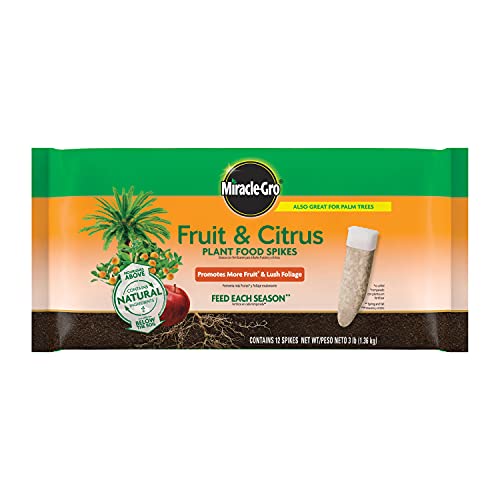
FORMULATED FOR CITRUS AND FRUIT TREES: Use these citrus fertilizer spikes on apple, orange, lemon, lime, and avocado trees; this formula is also great for feeding palm trees

Down to Earth Fruit Tree is a five pound box of all natural fertilizer with 6-2-4 formula and is listed by the Organic Materials Review Institute (OMRI) for use in organic production
Conclusion
Incorporating organic fertilizers into your almond tree care routine not only promotes tree health and high-quality almond production but also benefits the environment and surrounding ecosystem. By choosing the best organic fertilizers and applying them properly, you can ensure the thriving of your almond trees.
Keep your trees healthy and productive with these organic fertilizer recommendations, and contribute to a sustainable and fruitful almond orchard.
