

Have you ever wondered where to plant blackberries in your yard for the best results? Picture this: You’re eager to grow juicy, flavorful blackberries right at home, but you’re unsure about the ideal planting spot. That’s where this article comes in to guide you through the process effortlessly.
Key Takeaways
- Blackberry plants thrive in full sun, requiring at least 6-8 hours of direct sunlight daily for optimal growth.
- Plant blackberries in well-draining soil rich in organic matter with a pH level between 5.5 and 7 to ensure healthy development.
- Choose planting locations away from large trees or structures that may cast shade and near support structures for training the canes.
- Proper spacing of 3-6 feet apart and regular pruning during late winter or early spring are crucial for maximizing growth and fruit production.
- Avoid common mistakes like poor positioning with insufficient sunlight, neglecting soil health, and overcrowding to ensure successful blackberry cultivation.
Understanding Blackberry Plant Requirements
When considering where to plant blackberries in your yard, it’s essential to understand the specific needs of these plants. Here’s what you need to know about the sunlight requirements and soil conditions for optimal growth:
Recommended Products

Quick, at home results for Soil pH, Nitrogen, Phosphorous and Potash Innovative and inexpensive soil test kit features an easy-to-use capsule system and patented color comparators

Kindly NOTE: This soil tester can not be applied to test pH value of any other liquid. If the soil is too dry the indicator will not move, and water it before testing.

KNOW BEFORE YOU GROW | Grow the healthiest, sustainable lawn and garden with the most accurate and easy to use professional soil test kit on the market
Sunlight Needs
Blackberry plants thrive in full sun, so choose a spot in your yard that receives at least 6-8 hours of direct sunlight each day. Without adequate sunlight, blackberries may not produce as many fruits or grow as vigorously. When selecting a location, ensure there are no large trees or structures nearby that could cast shade on the plants.
Soil Requirements
To ensure healthy growth and abundant harvests, blackberry plants prefer well-draining soil rich in organic matter. A slightly acidic soil with a pH level between 5.5 and 7 is ideal for blackberries. Before planting, consider conducting a soil test to determine if any amendments are necessary to meet these requirements. Additionally, avoid areas with compacted or waterlogged soil, as this can hinder root development and overall plant health.
By providing your blackberry plants with ample sunlight and suitable soil conditions, you’ll set them up for success and enjoy bountiful harvests of delicious berries right in your own yard.
Best Locations to Plant Blackberries in Your Yard
When deciding where to plant blackberries in your yard, consider these optimal locations for the best results.
Recommended Products

4pack Fiberglass Material Raspberry Cross Stake System with Adjustable Cross-bars, Height Adjustable

TALL & HEAVY DUTY: 2 pack, 71” high x 21” wide, perfect size to work as a tall wall black iron garden trellis for climbing plants, pretty heavy duty metal trellis for climbing plants in the large planting pot, small flower pots with trellis working well with your planter in patio edges and raised garden bed corners to be heavy duty plant trellis, outdoor decorative trellis, trellis for potted climbing plants, tall trellis for climbing roses, trellis for clematis, vines, trellis for garden.
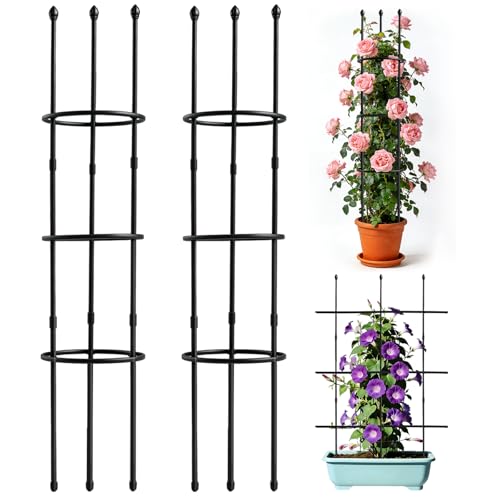
【Two Installation Methods】Our garden trellis can be configured into two types of plant trellis (panel stands and plant cages). You can also combine two or more panels together to form a larger plant stand panel or plant cage. Adjustable plant supports can meet your different plant support needs.
Near a Fence or Support Structure
Planting your blackberries near a fence or support structure is beneficial for several reasons. The fence can provide much-needed support as the blackberry bushes grow and develop. This proximity also helps in training the blackberry canes along the fence, making maintenance easier and enhancing air circulation around the plants.
Away from Other Plants
Selecting a location away from other plants is crucial when planting blackberries. These berries tend to spread vigorously through underground runners, so giving them ample space away from other vegetation prevents overcrowding and competition for nutrients. Additionally, keeping them separate makes it simpler to manage pests and diseases that may affect your blackberry bushes.
By choosing strategic locations in your yard that meet the requirements of blackberry plants, you set them up for success and ensure a bountiful harvest of delicious berries right at home.
Maximizing Growth
To ensure your blackberry plants thrive and produce an abundance of delicious berries, here are some key strategies to maximize their growth.
Recommended Products
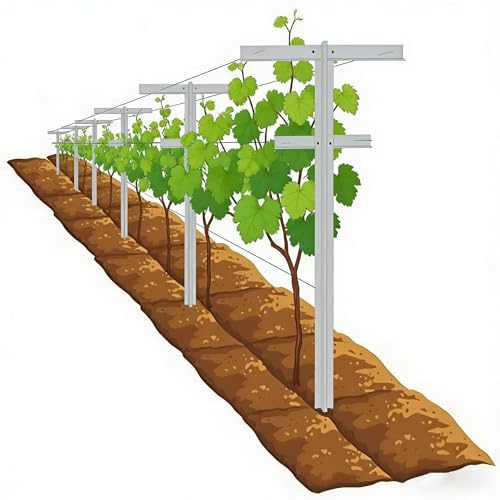
Fiberglass Material Raspberry Cross Stake System with Adjustable Arms

🌑[Plant Growth Support]:Garden plant trellis are committed to helping your indoor for potted plants and adds to the natural beauty. As plants grow, the houseplant trellis takes the form of a ladder to help your plant climbing and growing.
Fiberglass Material Raspberry Cross Stake System with 2 Adjustable Cross-bars
Proper Spacing
When planting blackberries in your yard, it’s crucial to space them correctly to promote optimal growth. Plant blackberry bushes at least 3-6 feet apart in rows with 8-10 feet between each row. This spacing allows for proper air circulation, reduces the risk of diseases, and makes it easier to harvest the berries. Avoid overcrowding the plants, as this can lead to competition for nutrients and sunlight, hindering their development.
Pruning and Maintenance
Regular pruning is essential for maintaining healthy blackberry plants and encouraging fruit production. Prune your blackberries annually during late winter or early spring while they are dormant. Remove any dead or damaged canes, as well as old canes that have already fruited. Trim the lateral branches to about 12-18 inches long to promote new growth and increase berry yield. Mulch around the base of the plants with organic matter to retain moisture, suppress weeds, and provide nutrients.
By following these spacing guidelines and practicing proper pruning techniques, you’ll create an environment where your blackberry plants can flourish and reward you with a plentiful harvest year after year.
Common Mistakes to Avoid
When planting blackberries in your yard, it’s crucial to steer clear of certain pitfalls that can hinder their growth and productivity. Here are some common mistakes you should avoid:
Poor Positioning
Positioning your blackberry plants incorrectly can lead to suboptimal growth and fruit production. Placing them in areas with insufficient sunlight or too much shade can stunt their development. Ensure your blackberries receive at least 6-8 hours of direct sunlight daily for optimal results.
Neglecting Soil Health
Neglecting the soil quality is another mistake to avoid when planting blackberries. Blackberries thrive in well-draining, fertile soil with a pH level between 5.5 and 7.0. Conduct a soil test before planting to determine if any amendments are necessary to create an ideal growing environment for your blackberry bushes.
By avoiding these common mistakes and following proper planting guidelines, you can set your blackberry plants up for success and enjoy a plentiful harvest in the seasons to come.
Conclusion
By selecting the right spot in your yard for planting blackberries, ensuring they receive adequate sunlight and are planted in well-draining soil with proper spacing, you set the stage for a thriving blackberry patch. Remember to prune during the dormant season and avoid common mistakes like poor positioning or neglecting soil health. With at least 6-8 hours of direct sunlight daily and fertile soil within the optimal pH range, your blackberry bushes will reward you with abundant fruit year after year. Happy planting!
Frequently Asked Questions
Where is the ideal planting spot for blackberries?
Choose a location with at least 6-8 hours of direct sunlight and well-draining, fertile soil with a pH level between 5.5 and 7.0. Position near support structures for growth.
Why is proper spacing important when planting blackberries?
Proper spacing promotes air circulation, ease of harvesting, and prevents overcrowding that can lead to disease.
When should I prune blackberry plants?
Regularly prune during the dormant season to maintain plant health and encourage fruit production.
What are common mistakes to avoid when planting blackberries?
Avoid poor positioning hindering growth, insufficient sunlight, neglecting soil health, and overcrowding plants.
