

Tangerine trees can thrive in Philadelphia, PA with the right care and conditions. Urban gardeners can successfully cultivate these citrus trees by selecting suitable varieties and implementing effective growing techniques.
Best Tangerine Varieties for Urban Climates
When cultivating tangerine trees in urban settings like Philadelphia, selecting the right variety is crucial for success. The best tangerine varieties thrive in the unique climate and soil conditions of city environments, offering both flavor and resilience. This section explores the top choices that can flourish amidst the challenges of urban gardening.
Choosing the right tangerine variety is crucial for success in an urban environment. Some varieties are better suited for cooler climates and limited space. Here are a few recommended options:
Clementine: Known for its sweet flavor and easy peeling.
Satsuma: Cold-tolerant and produces small, seedless fruits.
Honey Tangerine: Offers a rich flavor and is relatively disease-resistant.
Consider your available space and climate when selecting a variety. Each type has unique growth habits and fruit characteristics.
Urban Conditions for Tangerine Tree Growth
Tangerine trees, while typically associated with warmer climates, can thrive in urban environments like Philadelphia when specific conditions are met. Understanding the unique challenges and opportunities presented by city life is essential for successful cultivation. This section delves into the urban factors that influence the growth and health of tangerine trees in this bustling metropolis.
Urban environments present unique challenges for growing tangerine trees. Factors such as soil quality, sunlight, and temperature can significantly impact growth.
Soil Quality: Use well-draining soil rich in organic matter. Amend with compost to improve nutrient content.
Sunlight Requirements: Tangerine trees need full sun for at least six hours daily. Position them in a south-facing location if possible.
Temperature Management: Protect trees from frost by using row covers or planting in sheltered areas.
Monitoring these conditions will enhance the health and productivity of your tangerine trees.
Optimal Watering Strategies for Tangerine Trees
Tangerine trees thrive in urban environments like Philadelphia, but proper care is essential for their success. Understanding optimal watering strategies can significantly impact their growth and fruit production. This section delves into effective techniques to ensure these citrus trees receive the right amount of moisture throughout the year.
Proper watering is essential for the growth of tangerine trees. Overwatering or underwatering can lead to root rot or stress.
Watering Frequency: Water deeply once a week during dry spells. Adjust frequency based on rainfall and temperature.
Soil Moisture Check: Use your finger to check soil moisture about two inches deep. If it feels dry, it’s time to water.
Drainage Solutions: Ensure pots or planting areas have adequate drainage to prevent standing water.
Implementing these watering techniques will promote robust growth and fruit production.
Fertilization Strategies for Tangerine Trees
Fertilizing tangerine trees in Philadelphia requires a tailored approach to ensure healthy growth and fruit production. Understanding the specific nutrient needs and timing for application can significantly enhance the vitality of these trees in an urban setting. This section explores effective fertilization strategies that cater to the unique challenges of growing tangerines in a city environment.
Regular fertilization is key to healthy tangerine trees. A balanced fertilizer will provide essential nutrients throughout the growing season.
Fertilizer Type: Choose a slow-release fertilizer specifically formulated for citrus trees.
Application Schedule: Fertilize every six to eight weeks during the growing season, typically from early spring to late summer.
Nutrient Focus: Look for fertilizers high in nitrogen, phosphorus, and potassium to support flowering and fruiting.
Following these fertilization guidelines will enhance the vitality of your tangerine trees.
Recommended Products

Tailored for Citrus – Specially formulated liquid fertilizer designed to support lush, upright growth and vibrant green leaves for all Sansevieria varieties.

Package contains 9 fruit and citrus fertilizer spikes and is produced to avoid wasteful runoff, mess, hazards and smells
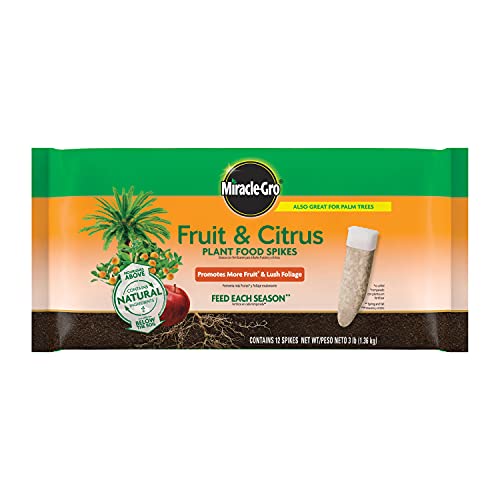
FORMULATED FOR CITRUS AND FRUIT TREES: Use these citrus fertilizer spikes on apple, orange, lemon, lime, and avocado trees; this formula is also great for feeding palm trees
Tangerine Tree Pest Control Techniques
Tangerine trees can thrive in urban environments like Philadelphia, but they face various pest challenges that can hinder their growth and fruit production. Understanding effective pest control techniques is essential for maintaining healthy trees and ensuring a bountiful harvest. This section explores practical strategies to protect tangerine trees from common pests in the city.
Urban gardens can attract various pests and diseases that threaten tangerine trees. Identifying and managing these issues promptly is essential for maintaining tree health.
Common Pests: Aphids, spider mites, and scale insects can infest tangerine trees. Regularly inspect leaves for signs of infestation.
Disease Prevention: Fungal diseases like root rot can occur in overly wet conditions. Ensure good drainage and avoid overhead watering.
Organic Solutions: Use insecticidal soap or neem oil to manage pest populations without harming beneficial insects.
Implementing these strategies will help protect your tangerine trees from common threats.
Tangerine Tree Care Best Practices Summary
Caring for tangerine trees in an urban environment like Philadelphia requires specific strategies to ensure their health and productivity. Understanding the best practices for soil preparation, watering, and pest management is essential for successful cultivation. This summary provides key insights into maintaining vibrant tangerine trees in the city’s unique climate and conditions.
| Care Aspect | Best Practices | Difficulty Level (1-5) |
|---|---|---|
| Variety Selection | Choose cold-tolerant types | 3 |
| Soil Quality | Use well-draining, organic-rich soil | 2 |
| Watering Frequency | Deep watering weekly | 3 |
| Fertilization | Apply slow-release citrus fertilizer | 2 |
| Pest Management | Inspect regularly and use organic solutions | 4 |
Monitoring and adjusting care practices will ensure your tangerine trees flourish in an urban setting.
