

Spraying neem oil on tangerine trees effectively combats common citrus pests. This organic solution not only repels insects but also promotes overall tree health, making it a preferred choice for gardeners.
Neem Oil Efficacy for Tangerine Pest Control
Neem oil is derived from the seeds of the neem tree and contains compounds that disrupt insect life cycles. Its active ingredient, azadirachtin, affects the feeding and reproductive behaviors of pests. This makes neem oil an effective treatment against aphids, spider mites, and whiteflies, common nuisances for tangerine trees.
Using neem oil also has the added benefit of being environmentally friendly. It is biodegradable and does not harm beneficial insects when applied correctly. This makes it a sustainable option for citrus care.
Recommended Products
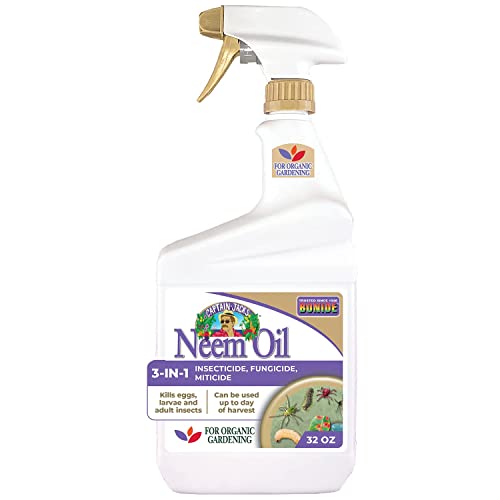
Protect your oasis with 3 garden products in 1 from Captain Jack’s; Bonide Captain Jack’s Ready-to-Use Neem Oil spray for plants is a multi-purpose fungicide, insecticide and miticide for your lawn & garden

FUNGAL DISEASE CONTROL: Prevents and controls black spot on roses, powdery mildew, rust, downy mildew, and other listed fungal diseases when applied on a 7–14 day schedule
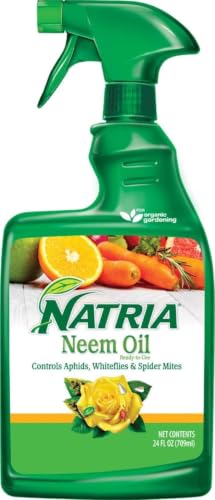
PLANT DISEASE CONTROL: Natria Neem Oil acts as an insecticide and fungicide in one convenient spray; Ready-to-use trigger sprayer requires no mixing
Identifying Pests Impacting Tangerine Trees
Understanding the pests that threaten tangerine trees is crucial for effective pest management. By identifying these harmful insects, gardeners can take proactive measures to protect their trees and ensure healthy fruit production. This section explores the common pests that impact tangerine trees and their potential effects on overall tree health.
Tangerine trees are susceptible to various pests that can hinder growth and fruit production. Understanding these pests is crucial for effective management.
| Pest Type | Symptoms | Treatment Difficulty (1-5) |
|---|---|---|
| Aphids | Curling leaves, sticky residue | 2 |
| Spider Mites | Fine webbing, yellowing leaves | 3 |
| Whiteflies | Leaf yellowing, sooty mold | 4 |
| Scale Insects | Hard bumps on stems | 3 |
Identifying these pests early allows for timely intervention. Neem oil can effectively target these issues when applied correctly.
Neem Oil Preparation for Citrus Trees
Preparing neem oil for application on tangerine trees is a crucial step in effective pest management. This process ensures that the oil is properly diluted and ready to combat common citrus pests while remaining safe for the trees. Understanding the correct preparation methods will enhance the efficacy of neem oil treatments in maintaining healthy citrus plants.
Proper preparation is essential for maximizing the effectiveness of neem oil. Follow these steps to ensure optimal results.
Choose Quality Neem Oil: Select a high-quality, cold-pressed neem oil for better efficacy.
Mix with Water: Combine 2 tablespoons of neem oil with 1 gallon of water. Use a mild liquid soap as an emulsifier to help the oil mix with water.
Fill a Spray Bottle: Pour the mixture into a spray bottle or garden sprayer for easy application.
Test a Small Area: Before widespread application, test the mixture on a small section of the tree to check for any adverse reactions.
Neem Oil Application Safety Guidelines
When applying neem oil to tangerine trees, it’s essential to follow safety guidelines to ensure effective pest control while protecting both the plants and the environment. Understanding the proper usage and precautions can help maximize the benefits of neem oil while minimizing any potential risks. This section outlines key safety measures to consider during application.
While neem oil is generally safe, certain precautions should be taken to protect both the user and the environment.
Wear Gloves: Protect your skin from potential irritation.
Avoid Windy Days: Apply neem oil on calm days to prevent drift onto unintended plants.
Do Not Apply During Bloom: Avoid spraying during flowering to protect pollinators.
Following these precautions ensures a safe and effective application process.
Effective Neem Oil Application Methods
Applying neem oil effectively is crucial for managing pests on tangerine trees. This section explores various methods to ensure optimal coverage and absorption, enhancing the oil’s pest-repelling properties. By understanding these techniques, gardeners can maximize the benefits of neem oil in their citrus care routine.
Applying neem oil correctly is crucial for pest control. Here’s how to do it effectively.
Timing: Spray in the early morning or late evening to avoid direct sunlight, which can degrade the oil.
Thorough Coverage: Ensure all leaf surfaces, including the undersides, are coated. This maximizes pest contact with the neem oil.
Reapply Regularly: For best results, reapply every 7-14 days, especially after rain.
Recommended Products

Protect your oasis with Captain Jack’s Neem Max Ready-to-Use Spray; this multipurpose product acts as a 4-in-1 insecticide, fungicide, miticide and nematicide

Gentle Plant Wash Made with Neem Oil & Peppermint Oil

Gentle Plant Wash Made with Neem Oil & Peppermint Oil
Neem Oil Treatment Monitoring for Tangerine Trees
Monitoring the effectiveness of neem oil treatments on tangerine trees is crucial for successful pest management. By observing the trees regularly, you can assess the impact of the neem oil on pest populations and overall tree health. This careful evaluation helps ensure that your citrus trees remain vibrant and productive throughout the growing season.
After applying neem oil, monitor your tangerine trees for signs of improvement or ongoing pest activity.
Check for New Growth: Healthy new growth indicates successful pest management.
Adjust Frequency: If pests persist, consider increasing the frequency of applications.
Combine with Other Methods: Integrate neem oil with other pest management strategies for comprehensive care.
Neem Oil Application Challenges for Tangerine Trees
Applying neem oil to tangerine trees can be an effective method for managing pests, but it comes with its own set of challenges. Understanding these obstacles is crucial for ensuring the health of your trees and maximizing the benefits of this natural pesticide. This section explores common issues encountered during neem oil application and offers insights for successful pest control.
Sometimes, even with neem oil, issues may arise. Here are some common problems and their solutions.
Leaf Discoloration: If leaves turn yellow, reduce the concentration of neem oil in your mixture.
Pest Resistance: If pests become resistant, alternate with other organic treatments to break the cycle.
Regularly assessing the health of your tangerine trees and adjusting your approach is key to maintaining their vitality.
Recommended Products
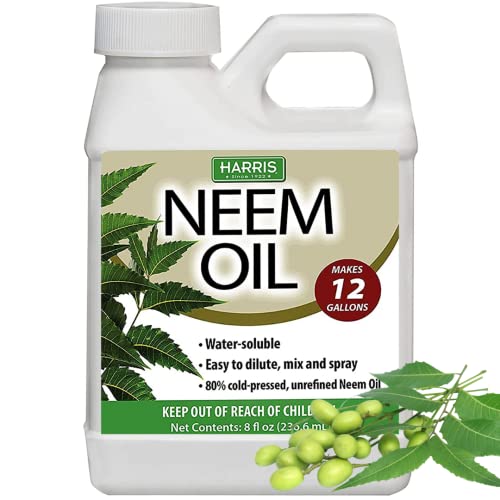
Cold-Pressed Neem Oil is a potent natural solution, ideal for maintaining healthy plants

FOR ORGANIC GARDENING - Captain Jack's NeemMax is a perfect pest control solution for any garden dealing with mites, flies, mildew, and more. This product is a four-in-one insecticide, fungicide, miticide, and nematicide.

Protect your oasis with 3 garden products in 1 from Captain Jack’s; Captain Jack’s Ready-to-Use Neem Oil spray for plants is a multi-purpose fungicide, insecticide and miticide for your lawn and garden
Neem Oil Application Techniques for Tangerine Trees
Effective pest management for tangerine trees often involves the use of neem oil, a natural solution known for its insecticidal properties. Understanding the best application techniques can enhance the efficacy of neem oil, ensuring your citrus trees remain healthy and productive. The following methods outline how to properly apply neem oil for optimal results.
Implementing neem oil as part of your citrus care routine can significantly enhance the health of your tangerine trees. By understanding pests, preparing the oil correctly, and applying it effectively, you can ensure a thriving citrus garden.
