

Have you ever looked at your backyard and wondered what type of fruit tree you’ve got? You’re not alone! Many people find themselves puzzled by the different varieties, especially if they inherited the tree or bought a house with a garden already established.
Key Takeaways
- Identify Key Characteristics: Observe leaf shape, bark texture, flower color, and fruit appearance to accurately determine your fruit tree type.
- Deciduous vs. Evergreen: Understand the differences; deciduous trees shed leaves annually while evergreen trees retain foliage year-round, affecting care and management.
- Common Varieties: Familiarize yourself with prevalent fruit trees like apple, peach, citrus, cherry, and pear, noting their unique care requirements and blooming times.
- Utilize Identification Resources: Leverage online plant identification apps and local extension services for expert assistance in accurately identifying your fruit trees.
- Effective Care Techniques: Implement proper pruning, pest management, and regular maintenance to promote healthy growth and enhance fruit production.
- Seasonal Awareness: Keep track of blooming times and fruit ripening schedules, which are crucial for timing care and harvesting decisions.
Identifying Your Fruit Tree
Identifying your fruit tree involves observing key characteristics and understanding its seasonal behavior. This process helps you determine the type of fruit tree you have in your garden.
Recommended Products


Common Fruit Tree Characteristics
- Leaf Shape and Size: Examine the leaves closely. Apple trees have broad, flat leaves, while peach trees feature narrow, elongated leaves. Citrus trees typically display glossy, dark green leaves.
- Bark Texture: Look at the bark. Cherry trees often have smooth, reddish-brown bark, whereas oak trees have rough, deeply ridged bark.
- Flower Color and Structure: Observe the flowers. Pear trees produce white flowers, while crabapple trees have pinkish blooms. The structure of the flowers can also vary; some may be single-layered, while others are more elaborate.
- Fruit Appearance: Note the fruit. Apples vary in color, size, and shape, whereas figs have a unique, pear-like appearance. Citrus fruits, like oranges, are round and bright orange.
- Overall Tree Shape: Measure the tree’s height and canopy. Citrus trees are often bushy and short, while maple trees grow tall with a spread canopy.
- Blossoming Time: Identify when your tree blossoms. Most fruit trees flower in spring, but some, like quince, may bloom as early as late winter.
- Fruit Ripening Schedule: Determine when fruit appears and matures. Strawberries ripen in late spring to early summer, while apples mature in late summer to early fall.
- Leaf Drop and Regrowth: Watch the leaves. Deciduous trees lose their leaves in autumn and regrow them in spring. Evergreen trees retain their leaves throughout the year.
- Branching Structure: Examine how the tree grows. Pruning enhances fruit production. Some trees, like cherries, develop a more upright structure, while others, like plums, spread wider.
- Root Health: Inspect the soil around the base. Healthy fruit trees often have robust root systems. If your tree shows signs of stress, consider checking the drainage and soil quality.
By closely observing these characteristics and seasonal behaviors, you significantly enhance your ability to identify your fruit tree accurately.
Types of Fruit Trees
Understanding the types of fruit trees helps you identify and care for them better. The two primary categories are deciduous and evergreen trees.
Recommended Products
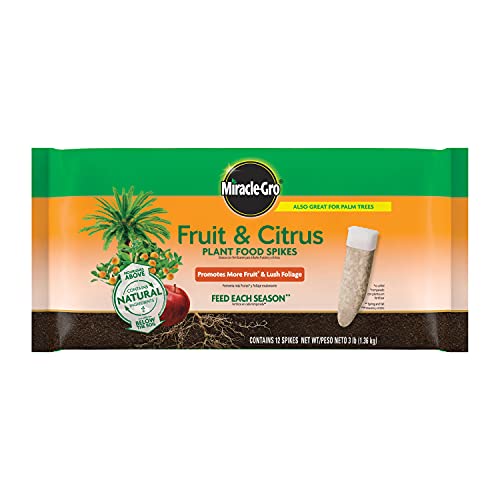
FORMULATED FOR CITRUS AND FRUIT TREES: Use these citrus fertilizer spikes on apple, orange, lemon, lime, and avocado trees; this formula is also great for feeding palm trees

4 kinds of the most popular fruits, individually packaged, 50pcs Lemon seeds 50pcs Cherry seeds 50pcs Orange seeds 50pcs Apple seeds Fresh seeds, all fruit seeds are packed in tear and moisture resistant zipper sealed bags for your long term storage.

Deciduous vs. Evergreen
Deciduous trees shed their leaves annually. They typically enter a dormant state during winter. Examples include apple, cherry, and peach trees. These trees blossom in spring and produce fruit in summer or fall.
Evergreen trees retain their leaves year-round. Their foliage may change but doesn’t drop entirely in autumn. Examples are citrus trees, such as orange and lemon. These trees can produce fruit at different times throughout the year, depending on the variety and climate.
Common Fruit Tree Varieties
Certain fruit tree varieties are prevalent in home gardens. Here’s a list of some common types, along with their characteristics:
- Apple Trees: Offer numerous varieties, including Fuji and Granny Smith. They need chilling hours for successful fruit production, typically thriving in colder climates.
- Peach Trees: Known for their sweet fruit, they require warm climates. They bloom early in spring, providing beautiful flowers.
- Citrus Trees: Include oranges, lemons, and limes. These trees flourish in warm weather and can bear fruit year-round in the right conditions.
- Cherry Trees: Produce sweet or sour cherries, depending on the variety. They typically bloom in mid-spring and require well-drained soil.
- Pear Trees: Hardy and adaptable, they grow in various climates. Pear trees produce fruit in summer and can thrive in many soil types.
Identifying your fruit tree type empowers you to provide appropriate care. Recognizing these categories and varieties can enhance your gardening experience.
Resources for Identification
Identifying fruit trees can be overwhelming, but several resources simplify the process. Utilize these tools and services to gain more clarity.
Online Plant Identification Apps
Online plant identification apps can help you recognize your fruit trees quickly. Popular apps like PlantSnap, PictureThis, and PlantNet allow you to upload images of your tree’s leaves, fruit, or flowers for instant identification.
- PlantSnap: Offers a database of over 600,000 plants. It provides detailed information and care tips.
- PictureThis: Features a user-friendly interface. It includes a community forum for additional assistance.
- PlantNet: Focuses on biodiversity and encourages users to contribute photos for better database accuracy.
By simply capturing an image of your tree, these apps can generate potential matches based on your uploaded photo.
Local Extension Services and Nurseries
Local extension services and nurseries provide personalized assistance for tree identification. These resources include experts familiar with the regional flora.
- County Extension Offices: Staffed with knowledgeable horticulturists. They often offer identification workshops and resources for local plants.
- Garden Centers/Nurseries: Employees can provide identification tips based on your tree’s specific features. They also sell guides and books focused on local fruit trees.
- Community Gardening Groups: Joining these groups often connects you with experienced gardeners who can share insights and advice.
Visiting these local resources allows you to get hands-on help, fostering a deeper understanding of your fruit trees and their care needs.
Tips for Proper Care
Caring for your fruit trees promotes healthy growth and fruit production. Follow these tips for effective management.
Recommended Products


Package Includes: Contents 1 Manual gardening grafting cutter and 2 rolls of 2 sizes of grafting tape, meeting your needs.

★ 1. What you get: Professional convenient grafting tool set including a dual-use grafting pruner tool contain 2 extra replaceable blades, a wrench and a screwdriver, along with 36pcs wide rubber bands, 150 thick rubber bands and 1 grafting tape, packed in a black wallet to meet all your needs
Pruning and Maintenance
Pruning your fruit trees enhances air circulation and sunlight penetration. Start with these steps:
- Timing Matters: Prune during late winter or early spring before new growth begins.
- Use Clean Tools: Sanitized shears prevent spreading disease. Clean with alcohol or bleach solution.
- Remove Dead or Diseased Wood: Cut away branches showing signs of rot or pests.
- Shape the Tree: Aim for an open center to allow sunlight. Remove crowded branches to avoid competition.
- Thin Fruit: Remove excess fruit early in the season to encourage larger, healthier crops.
Regular maintenance also includes checking watering needs, especially during dry spells. Ensure the tree receives deep, infrequent watering promoting root growth.
Pest Management Strategies
Pest control ensures your fruit trees stay healthy. Adopt these strategies for effective management:
- Inspect Regularly: Check your trees frequently for signs of pests or disease.
- Identify Common Pests: Familiarize yourself with pests that target your trees, such as aphids and fruit flies.
- Use Organic Treatments: Consider neem oil or insecticidal soap for pest control. Apply according to label instructions.
- Encourage Beneficial Insects: Attract ladybugs and lacewings, which prey on harmful pests. Plant flowers like marigolds or dill nearby.
- Monitor Weather Conditions: Pests thrive under specific conditions. Keeping track helps you anticipate outbreaks.
Implementing these care tips will enhance the health of your fruit trees, ensuring robust growth and a bountiful harvest.
Conclusion
Identifying your fruit tree doesn’t have to be a daunting task. By paying attention to the unique characteristics of your tree and understanding its seasonal behaviors, you’ll soon feel more confident in your identification skills.
Remember to take advantage of the resources available to you. Whether it’s a handy app or advice from local experts, these tools can make a big difference.
With the right knowledge and care, you can nurture your fruit trees to thrive and produce delicious fruit for years to come. Enjoy the journey of discovery in your garden and the rewards it brings. Happy gardening!
Frequently Asked Questions
How can I identify the fruit trees in my backyard?
To identify fruit trees, observe characteristics like leaf shape and size, bark texture, flower color and structure, fruit appearance, and overall tree shape. Pay attention to seasonal behaviors such as blossoming time and fruit ripening schedules.
What are the main types of fruit trees?
Fruit trees are primarily categorized into two types: deciduous and evergreen. Deciduous trees, like apples and peaches, lose their leaves annually, while evergreen trees, such as citrus, retain their foliage year-round.
How can I use technology to identify fruit trees?
You can use online plant identification apps like PlantSnap, PictureThis, and PlantNet. Simply upload images of your trees, and the app will help recognize the species.
What are the key care tips for fruit trees?
Key care tips include pruning in late winter or early spring, monitoring watering needs, removing dead or diseased wood, and thinning excess fruit. Regular maintenance promotes healthy growth and better fruit production.
How do I manage pests in my fruit trees?
To manage pests, regularly inspect your trees for signs of infestations, learn about common pests, and use organic treatments. Encourage beneficial insects, and monitor weather conditions to prevent pest outbreaks.
