

Have you ever wondered what to do with your banana tree after it bears fruit? You’re not alone. Many gardeners face the dilemma of whether to keep the tree or cut it down once the harvest is done.
Banana trees have a unique life cycle that can leave you scratching your head. On one hand, you want to make the most of your garden space, but on the other, those trees can provide more than just one harvest. In this article, we’ll explore the pros and cons of cutting down your banana tree after fruiting, helping you make the best decision for your garden and future crops.
Key Takeaways
- Banana Tree Life Cycle: Understand that banana trees produce fruit once and then die back, but they can give rise to new suckers for future harvests.
- Post-Harvest Evaluation: Assess the health of the main tree and surrounding suckers to make an informed decision about cutting or retaining the tree.
- Benefits of Cutting Down: Removing the fruiting banana tree can prevent disease spread, free up space for new growth, and allow remaining suckers to thrive.
- Consider Alternatives: Instead of cutting the tree down, consider pruning techniques and proper care to manage the banana tree’s health and enhance future yields.
- Climate & Personal Preferences: Take into account your local climate and your own gardening goals when deciding if you should retain or cut down your banana tree.
Overview of Banana Trees
Banana trees feature a distinct growth cycle. Once a banana tree matures, it produces a single bunch of bananas. After this fruiting cycle, the tree typically dies back. Understanding their life cycle helps you decide what to do after harvest.
Growth Cycle
- Propagation: You can propagate banana trees using suckers or offsets. These are new shoots that grow from the base of the main tree.
- Maturity: It takes about 9 to 12 months for a banana tree to bear fruit. During this time, proper care, including watering and fertilizing, is essential.
- Fruiting: After producing fruit, the flower stem collapses. It appears that the tree dies, but it actually continues to grow new suckers.
Post-Harvest Considerations
- Health of the Tree: After fruiting, the main tree can show signs of decline. It may become susceptible to diseases, affecting overall garden health.
- New Growth: Leaving suckers intact allows for new growth. A healthy sucker can take over and produce fruit in a year or two.
Advantages of Cutting Down
- Disease Prevention: Removing the spent tree reduces the risk of disease spreading to suckers or nearby plants.
- Space Management: Cutting down the tree frees up space for new plants or new banana trees.
- Resource Allocation: Nutrients can focus on remaining suckers, boosting their growth potential.
Disadvantages of Cutting Down
- Lost Growth Potential: An early cut can mean losing future fruit from healthy suckers.
- Maintenance Efforts: You may require additional effort to manage new suckers and ensure their optimal growth.
- Assess Tree Condition: Before making a decision, evaluate the health of the tree and surrounding suckers.
- Timing the Cut: If cutting down, do it after harvest but before the rainy season to prevent disease.
- Utilizing Organic Matter: Consider composting the cut tree to enrich soil.
The choices around a banana tree after fruiting involve balancing benefits and drawbacks, optimal practices, and your long-term gardening goals.
Benefits of Cutting Down After Fruiting
Cutting down banana trees after they fruit offers several advantages for gardeners. Focusing on the benefits helps in making informed decisions about your banana cultivation.
Recommended Products

Sucker Punch Ready-to-Use Spray from Bonide controls and prevents sprouts and sucker growth in a variety of plants in your garden

Essential Cactus Care Kit: Jumpstart your gardening with our Cactus Saw Tool Pack, ideal for beginners and seasoned gardeners alike. Includes a precision Cactus Saw and long-handled gripper, perfect for safely pruning and maintaining cacti and succulents in your collection or landscape. Crafted for durability and ease.

PROPAGATION AND MAINTENANCE: With our 15-Inch Long Pruning Tweezers, propagate and maintain your succulents with ease. These tweezers are perfect for precise pruning of cacti, succulents, and other foliage of all sizes. The extra 15-inch reach allows you to access even more challenging areas, removing dead parts and promoting healthy growth. Keep your green friends thriving with this essential gardening tool that's both effective and easy to use, ensuring your plant care routine is always top-notch.
Enhanced Growth for New Shoots
Cutting down the banana tree encourages growth in new shoots. These suckers can thrive with more sunlight and nutrients available. If you leave the fruited plant, it might compete with young shoots for resources. By removing the old tree, you give the suckers a strong start, leading to healthier and quicker growth.
Disease Prevention and Tree Health
Removing the banana tree after fruiting aids in disease prevention. Old banana trees can attract pests and harbor diseases that affect surrounding plants. Cutting down the tree reduces the risk of disease transferring to healthy suckers. Additionally, it keeps your garden clean and promotes the overall health of your banana plants. Regular maintenance of tree health strengthens your garden’s resilience against common threats.
Considerations Before Cutting Down
Before deciding to cut down your banana tree after fruiting, consider various factors to make an informed choice.
Recommended Products

PACKAGE: The package includes 4Pcs plant covers,will meet your daily use or replacement. Measuring 31.5" x 47.3", the plant protector is waterproof, windproof.

Revolutionary Anti-freeze Protection: Plant covers freeze protection is made of 100% Reliable non-woven thickened polypropylene fabric Because the frost cloth fabric Thickness is 3.2 oz/yd² thicker and warmer, tear resistant than less expensive 1.3 oz/yd² fabric. Provides up to 2° F(-17℃) frost protection. In winter, frost blankets for outdoor plants can form a insulation layer for plants to isolate cold air and retain the oxygen required for plant respiration

Protect Plants From Frostbite: 2.2 oz/sq yard non-woven fabric as the material of plant cover to protect your plant against freeze, frost and other cold weather during winter
Climate and Environment Factors
Assess your climate and environment conditions. Tropical and subtropical regions support banana tree growth, while colder climates can pose challenges. If your area experiences frost, keeping the tree can lead to damage. In contrast, if you live in a warm, humid region, the tree can thrive longer and produce more fruit through its suckers. Observe the surrounding plants and soil conditions; a healthy ecosystem supports beneficial growth and disease prevention.
Personal Preferences and Use
Reflect on your personal preferences regarding banana production. If you enjoy fresh bananas regularly, cutting down the tree may hinder future production. However, if the tree consumes too much space or resources, consider removing it to foster growth for more fruitful suckers. Think about how much effort you’re willing to invest in maintaining the banana tree. If you prefer low-maintenance gardening, cutting it down offers a simpler alternative. Prioritize what aligns with your gardening goals and lifestyle.
Alternatives to Cutting Down
You can explore several alternatives to cutting down your banana tree after it fruited. These options allow you to maximize the benefits of your banana plant while maintaining your garden’s health.
Recommended Products

CLEAN CUTS FOR LIVE GROWTH: Bypass blade design is ideal for pruning delicate flower stems and green growth, helping reduce crushing and plant damage while cutting stems and small branches up to 5/8” in diameter

LONG-LASTING SHARPNESS: Japanese SK5 bypass blade with titanium coating is tested through 5,000 cuts to maintain a sharp edge and deliver clean, consistent cuts on live stems and branches
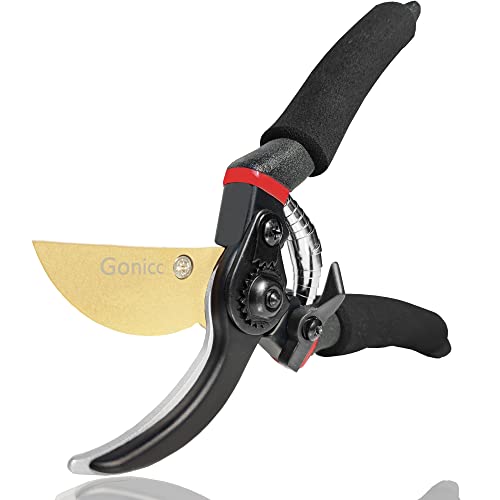
Drop-forged construction delivers exceptional durability and sturdiness for long-term heavy garden use.
Pruning Techniques
You can use specific pruning techniques to encourage new growth and minimize any potential issues.
- Remove Dead Leaves: Trim away any dead or yellowing leaves to foster healthier growth for remaining leaves.
- Cut Off Flower Stalks: After harvesting, cut off the flower stalk but leave the healthy plant. This action redirects energy to the developing suckers.
- Thin Suckers: Selectively remove weaker suckers to allow stronger ones to thrive. This practice ensures that only the healthiest shoots compete for nutrients and space.
Managing Banana Tree Lifespan
Managing your banana tree’s lifespan can enhance your garden’s sustainability.
- Monitor Health: Regularly check for signs of disease or pest damage. Promptly address any issues to prolong the plant’s life.
- Fertilize Appropriately: Use balanced fertilizers to provide essential nutrients, which supports sustained growth and fruit production.
- Shift To New Plants: As your banana tree ages, consider planting new suckers alongside it. By rotating plants, you maintain a steady banana production cycle without needing to cut down the older tree.
These strategies enable you to manage your banana tree post-harvest effectively, balancing production and garden health.
Conclusion
Deciding whether to cut down your banana tree after it fruits can be a tough choice. It really comes down to your garden’s unique needs and your personal goals. If you want to encourage new growth and keep your garden healthy cutting it down might be the way to go.
On the other hand if you’re keen on maximizing production from healthy suckers you might want to hold off. Whatever you choose just remember to keep an eye on the tree’s condition and your garden’s overall health. By weighing the pros and cons you can make the best decision for your gardening journey. Happy gardening!
Frequently Asked Questions
What should I do with my banana tree after it bears fruit?
You typically can cut down the banana tree after fruiting to promote healthy new growth from suckers. This helps prevent competition for resources and aids in disease prevention, ensuring a healthier garden overall.
Why do banana trees die after producing fruit?
Banana trees have a unique life cycle where they produce fruit only once before dying back. This is a natural part of their life cycle, leading to new shoots or suckers that will grow in place of the old tree.
What are the benefits of cutting down banana trees?
Cutting down banana trees after they fruit can enhance growth for new shoots by providing them more sunlight and nutrients. It also helps prevent pests and diseases that might affect neighboring plants.
Can I leave my banana tree after it bears fruit?
Yes, you can leave the tree, but it may lead to competition for nutrients and light among the suckers. This might slow down their growth and increase the risk of disease.
What are some alternatives to cutting down a banana tree?
Instead of cutting it down, you can prune dead leaves, remove flower stalks, and thin out suckers. These practices encourage new growth without completely removing the tree.
How can I manage the lifespan of my banana tree?
To manage a banana tree’s lifespan, monitor its health regularly, fertilize appropriately, and consider rotating to new plants to maintain continuous banana production while supporting overall garden health.
