

Pomegranate trees can thrive in Montana with the right hardy varieties. Beginners should focus on cultivars like ‘Wonderful’ and ‘Angel Red’ for successful growth in the state’s climate.
Hardy Pomegranate Varieties for Montana
Pomegranate trees are generally classified as hardy in USDA zones 7 to 10. Montana’s climate can be challenging due to its colder winters and shorter growing seasons. Selecting the right variety is crucial for ensuring successful cultivation. Hardy varieties can withstand colder temperatures and still produce fruit.
| Variety Name | Hardiness Zone | Fruit Size | Flavor Profile |
|---|---|---|---|
| Wonderful | 7-10 | Large | Sweet-tart |
| Angel Red | 7-10 | Medium | Sweet |
| Sweet | 7-10 | Medium | Very sweet |
| Parfianka | 7-10 | Large | Sweet-tart |
Recommended Products

GRAFTED FRUITING TREE: Russian pomegranate plant is propagated from mature fruit producing stock instead of seed grown material for stronger growth habits and earlier fruiting potential

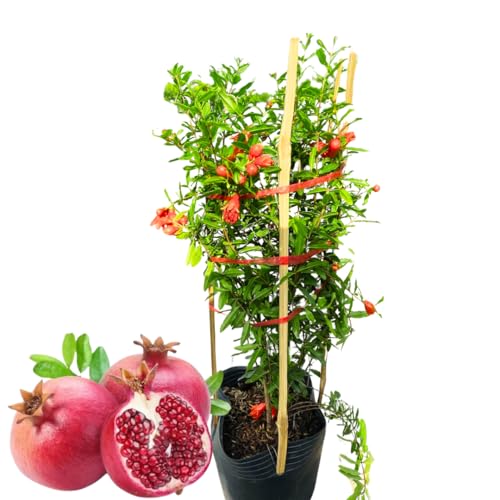
Receive 2 packs of well rooted plants, no pot
Best Pomegranate Varieties for Montana
Choosing the right pomegranate variety is essential for beginners in Montana. The ‘Wonderful’ variety is popular for its large, juicy fruits and robust growth. ‘Angel Red’ is another excellent choice, known for its sweeter flavor and consistent yields. Both varieties are well-suited for colder climates and can adapt to various soil types.
Recommended Products
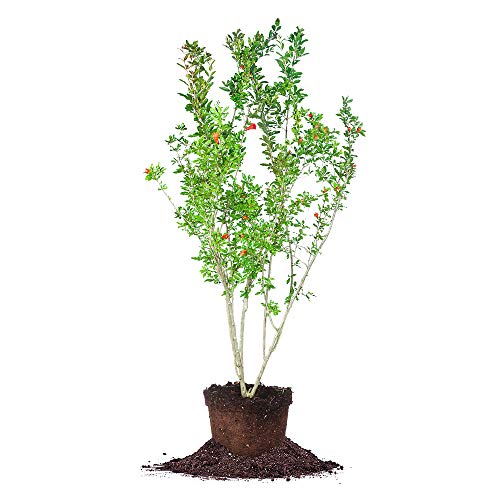
🙌The Wonderful Pomegranate tree lives up to its name with its tropical fruit, showy flowers, and low amount of overall maintenance. This Fruit tree is a joy to grow in any warm landscape.

Hardy Pomegranate Tree (No Ship To CA): Live plant 2–3 feet tall grown in a 3-gallon pot, suitable for outdoor garden planting

Live Pomegranate Tree – Grow your own delicious pomegranates with the popular Wonderful Pomegranate ), known for its large, sweet-tart red fruit, brilliant orange-red flowers, and ornamental plant
Wonderful Pomegranate Variety Overview
The ‘Wonderful’ pomegranate is a classic choice for many gardeners. It produces large, vibrant red fruits that are both beautiful and delicious. This variety typically ripens in late summer to early fall, allowing for a longer growing season. Proper care and attention to watering can enhance fruit quality.
Angel Red Pomegranate Characteristics
The ‘Angel Red’ variety is favored for its sweet flavor and ease of growth. It is a compact tree, making it suitable for smaller gardens. This variety also has a shorter time to fruiting, often producing within the first couple of years. Its resilience to cold makes it ideal for Montana’s climate.
Soil Preparation for Pomegranate Cultivation
Soil preparation is vital for the successful growth of pomegranate trees. They prefer well-draining soil with a pH between 5.5 and 7.0. Conduct a soil test to determine nutrient levels and pH. Amend the soil with organic matter, such as compost, to improve drainage and fertility.
Recommended Products

Quick, at home results for Soil pH, Nitrogen, Phosphorous and Potash Innovative and inexpensive soil test kit features an easy-to-use capsule system and patented color comparators

Accurate Soil pH Testing: Dewildetradingco Soil pH Test Strips offer measurements of soil pH levels (pH 3.5-9). As an essential tool for every gardener and grower, these test strips help determine the optimal pH for various plants, such as outdoor plants, indoor plants, gardens, grass lawns, fruit trees, flowers, vegetables, and forest shrubs.

Kindly NOTE: This soil tester can not be applied to test pH value of any other liquid. If the soil is too dry the indicator will not move, and water it before testing.
Soil Quality Enhancements for Pomegranate Trees
To successfully cultivate pomegranate trees in Montana, understanding and improving soil quality is essential. The unique climate and soil conditions in the region require specific enhancements to ensure robust growth and fruit production. This section explores effective strategies for optimizing soil health to support the thriving of hardy pomegranate varieties.
Consider the following amendments to enhance soil quality:
Compost: Improves nutrient content and drainage.
Gypsum: Helps break up heavy clay soils.
Lime: Raises soil pH if it is too acidic.
Pomegranate Tree Planting Strategies
Planting pomegranate trees requires attention to detail for optimal growth. Choose a sunny location with at least six hours of direct sunlight daily. Space trees at least 10 to 15 feet apart to allow for proper air circulation. Watering should be done deeply but infrequently to encourage deep root growth.
Pomegranate Tree Watering Guidelines
Proper watering is essential for the health and productivity of pomegranate trees, especially in Montana’s unique climate. Understanding the specific needs of these hardy varieties will help beginners cultivate robust trees that thrive. This section outlines effective watering guidelines to ensure your pomegranate trees receive the right amount of moisture throughout their growth cycle.
Establish a consistent watering schedule, especially during the first year. Consider the following:
Weekly Watering: For the first growing season.
Bi-weekly Watering: After the first year, adjust based on rainfall.
Pomegranate Tree Care Techniques
Regular fertilization and pruning are essential for healthy pomegranate trees. Use a balanced fertilizer during the growing season to support fruit development. Pruning should be done in late winter to remove dead or overcrowded branches, promoting better air circulation and sunlight penetration.
Spring Fertilizer Guidelines for Pomegranate Trees
Spring is a crucial time for pomegranate trees, especially in Montana’s unique climate. Proper fertilization during this season can significantly enhance growth and fruit production. Understanding the right nutrients and application methods will help beginners cultivate healthy, thriving trees.
Early Spring: Apply a balanced fertilizer.
Mid-Summer: Consider a second application if growth appears slow.
Pest and Disease Monitoring for Pomegranates
Monitoring pests and diseases is crucial for the successful cultivation of pomegranate trees in Montana. Given the unique climate and conditions of the region, understanding potential threats can help beginners protect their plants and ensure healthy growth. This section will outline common issues and effective strategies for maintaining the vitality of your pomegranate trees.
Pomegranate trees can be susceptible to various pests and diseases. Regular monitoring is crucial for early detection and management. Common pests include aphids and pomegranate weevils, while root rot can occur in poorly drained soils.
Aphid Control with Insecticidal Soap
Aphids can pose a significant threat to pomegranate trees, especially in Montana’s unique climate. Effective management is crucial for maintaining healthy plants, and insecticidal soap offers a practical solution for beginners. This method not only targets aphids but also minimizes harm to beneficial insects, making it an ideal choice for novice gardeners.
Insecticidal Soap: Effective against aphids.
Neem Oil: Can deter various pests.
Pomegranate Cultivation Tips for Montana
Growing pomegranate trees in Montana is achievable with the right knowledge and practices. Focus on hardy varieties, proper soil preparation, and consistent care to ensure a fruitful harvest. Be proactive in monitoring for pests and diseases to maintain tree health.
Planting pomegranate trees can yield delicious fruits and enhance your garden’s aesthetic appeal.
