

Have you ever dreamed of picking fresh mangoes right from your backyard? If you’re thinking about planting a mango tree, you might be wondering how long it’ll take before you can enjoy those juicy fruits.
Key Takeaways
- Mango trees typically start bearing fruit between 3 to 5 years after planting, influenced by variety and care.
- Tree variety matters; some types, like dwarf mangoes, can bear fruit as early as 2 to 3 years, while larger varieties take 4 to 6 years.
- Optimal growing conditions such as well-drained soil, ample sunlight (6-8 hours daily), and proper watering are crucial for quicker fruit production.
- Regular pruning improves air circulation and removes dead branches, promoting healthier growth and increased fruit yield.
- Grafted mango trees can bear fruit sooner, typically within 3 to 4 years, making them a preferable choice for quicker harvests.
- Consistent care, including balanced fertilization and maintaining soil moisture, significantly impacts fruit production and tree health.
Understanding Mango Trees
Mango trees thrive in warm climates and require specific conditions for optimal growth. They generally prefer well-drained, sandy or loamy soils rich in organic matter. Ensure good sunlight exposure; mango trees flourish with at least 6 to 8 hours of direct sunlight each day.
Mango trees start bearing fruit between 3 to 5 years after planting, depending on the variety and care. Consider the following factors influencing fruit production:
- Variety: Some mango varieties, like the Alphonso, mature quicker than others, such as the Haden. Choose a variety that suits your climate and patience level.
- Care: Proper watering and fertilization promote healthy growth and increase the chances of early fruiting. Regular watering ensures adequate moisture during dry spells.
- Pruning: Pruning helps shape the tree and encourages better air circulation. Trim branches that hinder growth and remove dead or damaged parts.
- Pollination: Mango trees are self-pollinating, but cross-pollination can enhance yield. Plant multiple trees in proximity to boost pollination rates.
- Climate: Mango trees love warmth. Areas with temperatures between 70°F to 100°F (21°C to 38°C) enable optimal growth and quicker fruiting.
Taking these steps can aid in your mango tree flourishing and accelerating its journey to fruit-bearing.
Factors Influencing Fruiting Time
Various factors influence how long a mango tree takes to bear fruit. Understanding these elements can help you maximize your chances of enjoying fresh mangoes sooner.
Recommended Products

Iwin Dwarf Mango Tree Live Plant Seedling, 10 to 14 Inc Tall in Pot, Large Sweet Mango Tree Seedling for Planting

Grafted Mango Tree: Includes 1 live mango tree, fully rooted in a 3-gallon nursery pot

Tree Variety
Different mango tree varieties exhibit varying fruiting times. For instance, some dwarf varieties, like ‘Miniature Mango,’ may produce fruit in as little as 2 to 3 years. Larger varieties, such as ‘Haden’ or ‘Tommy Atkins,’ typically start bearing fruit after 4 to 6 years. Selecting the right variety for your region and intended use can significantly impact your harvest timeline.
Growing Conditions
Growing conditions play a crucial role in the fruit-bearing timeline of mango trees. Focus on the following aspects for optimal growth:
- Soil Type: Choose well-drained sandy or loamy soil rich in organic matter. This promotes healthy root systems.
- Sunlight Exposure: Ensure the tree receives at least 6 to 8 hours of direct sunlight daily. This is vital for photosynthesis and fruit development.
- Watering Schedule: Maintain a consistent watering routine. Mango trees prefer deep watering rather than frequent shallow watering to establish strong roots.
- Fertilization: Use balanced fertilizers to provide essential nutrients. Fertilizing during the growing season can boost growth and fruiting potential.
- Pruning Practices: Prune your mango tree to improve air circulation and remove dead or overcrowded branches. This encourages optimal fruit production.
By considering tree variety and optimal growing conditions, you enhance your chances of a fruitful mango tree in your backyard.
Typical Timeframes for Fruiting
Mango trees typically need time to mature before producing fruit. Several factors influence the timeline for your mango tree to start yielding fresh mangoes.
Recommended Products
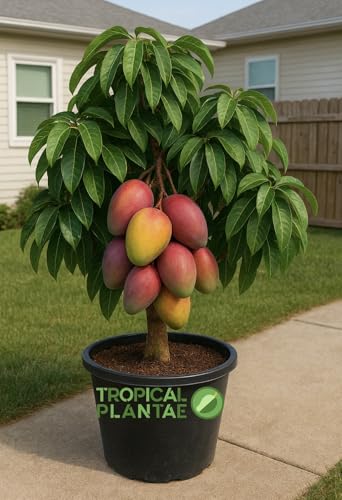
Imagine stepping into your backyard a few months from now and seeing a beautiful grafted Haden mango tree, growing stronger every day — a tree that will soon reward you with one of the most classic, flavorful mangoes ever grown.

Imagine stepping into your backyard a few months from now and seeing a beautiful tropical tree growing stronger every day—your own Pineapple Mango tree, grafted to give you consistent, premium-quality fruit. You’re not just buying a plant. You’re creating a space that brings you joy, pride, and something to look forward to every single morning.
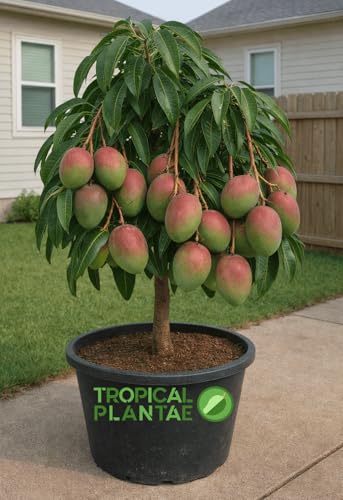
Imagine stepping outside your home and seeing a healthy mango tree growing stronger every season—one that doesn’t just decorate your yard, but adds real value to your daily life.
From Seed to Fruit
When you grow a mango tree from seed, the timeline extends. Generally, seed-grown mango trees take about 5 to 7 years to bear fruit. This duration can vary based on conditions like soil quality, sunlight, and care provided. For optimal growth, ensure the tree receives at least 6 to 8 hours of sunlight daily and is planted in well-drained soil. Patience is essential; knowing what to expect helps you manage your expectations during this growth period.
Grafted Trees
If you opt for a grafted mango tree, you enjoy a shorter wait time. Grafted varieties typically fruit within 3 to 4 years. These trees come from established rootstocks that encourage quicker fruiting. Consider grafted trees if you’re eager to enjoy mangoes sooner. When purchasing, look for reputable nurseries that provide healthy, vigorous grafted plants. With proper care, these trees can thrive and deliver delicious mangoes in a relatively short span.
Caring for Your Mango Tree
Caring for your mango tree significantly impacts its growth and fruit production. Follow these guidelines to ensure a healthy and fruitful tree.
Watering and Soil Requirements
Water your mango tree regularly, especially during dry spells. Deep watering encourages a deep root system, promoting stability and nutrient absorption. You should keep the soil consistently moist but not waterlogged. Well-drained sandy or loamy soil works best. Soil rich in organic matter supports healthy growth and helps retain moisture. Test drainage by digging a small hole; if water pools, consider amending the soil or planting in a raised bed.
Pruning Techniques
Pruning helps shape your mango tree and encourages better fruit production. Start by removing any dead or crowded branches to improve airflow. Aim for a balanced structure with an open canopy, allowing sunlight to penetrate. Prune during the dry season for better recovery. You can also pinch back young shoots to promote bushiness and stronger fruiting branches. Keep your pruning tools clean to prevent disease spread. Regularly assess your tree’s growth and adjust your pruning as necessary to maintain its shape and health.
Conclusion
Growing your own mango tree is an exciting journey that requires patience and care. With the right conditions and attention, you can enjoy delicious mangoes in just a few years. Remember to choose the right variety for your needs and provide the necessary care to help your tree thrive.
As you nurture your mango tree, you’ll not only be rewarded with tasty fruit but also with the joy of watching it grow. So get ready to embrace the process and soon enough, you’ll be savoring fresh mangoes right from your backyard. Happy planting!
Frequently Asked Questions
How long does it take for a mango tree to bear fruit?
Mango trees typically start bearing fruit between 3 to 5 years after planting. However, this timeframe can vary based on factors like the variety of mango, care practices, and climate conditions.
What factors influence the fruit-bearing time of mango trees?
Several factors influence fruit-bearing time, including the type of mango variety, soil quality, sunlight exposure, watering, and care practices like pruning and fertilization.
Are some mango varieties faster to produce fruit than others?
Yes, certain mango varieties produce fruit sooner. Dwarf varieties like ‘Miniature Mango’ may bear fruit in 2 to 3 years, whereas larger varieties such as ‘Haden’ can take 4 to 6 years.
Do mango trees need pollination to bear fruit?
Mango trees are self-pollinating, but planting multiple trees nearby can enhance yields through cross-pollination, improving overall fruit production.
Is it better to plant mango trees from seed or grafted varieties?
Grafted mango trees often start producing fruit within 3 to 4 years, making them a better choice for those eager to harvest mangoes sooner. Seed-grown trees usually take about 5 to 7 years.
What soil conditions are ideal for growing mango trees?
Mango trees thrive in well-drained, sandy or loamy soils rich in organic matter. Ensuring proper drainage is crucial for the health of the tree.
How much sunlight do mango trees require?
Mango trees require at least 6 to 8 hours of direct sunlight daily to grow optimally and produce fruit, making a sunny location essential.
How should I care for my mango tree to encourage fruit production?
Regular deep watering during dry periods, proper pruning of crowded branches, and maintaining soil moisture (but not waterlogging) are essential care practices to enhance growth and fruit output.
When is the best time to prune mango trees?
Pruning should be done during the dry season to promote recovery and improve airflow and sunlight exposure. Make sure to use clean tools to prevent diseases.
