

Do you dream of plucking fresh, juicy raspberries from your own backyard? Imagine the satisfaction of growing these delicious berries right at home. Picture this: You step outside, and there they are, ripe for the picking. But how can you turn this dream into a reality?
Have you ever faced the disappointment of buying raspberries that lack flavor or freshness? It’s frustrating when store-bought berries just don’t meet your expectations. What if you could ensure a bountiful supply of sweet raspberries without relying on the grocery store?
Key Takeaways
- Raspberry cuttings are a cost-effective way to propagate new raspberry plants from healthy parent plants.
- Proper preparation, including choosing the right type of cutting and having essential tools like pruning shears and rooting hormone, is crucial for successful propagation.
- The propagation process involves planting the cuttings in well-draining soil, keeping them moist but not waterlogged, and creating a humid environment for rooting.
- Caring for new raspberry plants includes providing adequate sunlight, regular watering, mulching, and annual pruning to ensure optimal fruit production.
- Common challenges when growing raspberries from cuttings include pests, diseases, watering issues, and sunlight requirements that can be managed with proper care and solutions.
Understanding Raspberry Cuttings
Raspberry cuttings are a method of propagating new raspberry plants by using parts of an existing plant. This process involves taking a section of the stem, typically around 6 inches long, and encouraging it to develop roots. By understanding how raspberry cuttings work, you can easily expand your raspberry patch without the need to purchase new plants.
What Are Raspberry Cuttings?
Raspberry cuttings refer to sections of the raspberry plant’s stem that are used to grow new plants. These cuttings are usually taken from healthy, disease-free parent plants during their dormant season. Once planted in suitable soil and given proper care, these cuttings can develop into robust raspberry bushes that bear fruit within a year or two.
Benefits of Propagating Raspberries from Cuttings
Propagating raspberries from cuttings offers several advantages for home gardeners. One key benefit is cost-effectiveness; instead of buying new plants each season, you can create multiple raspberry bushes from one parent plant at minimal cost. Additionally, by propagating raspberries from cuttings, you ensure genetic continuity with the original plant, preserving desirable traits like flavor and productivity in the offspring.
Preparing for Propagation
When it comes to growing raspberries from cuttings, proper preparation is key. Here’s what you need to do to get ready for propagating your raspberry plants successfully.
Recommended Products

PROMOTES ROOTING: Rooting hormone grows new plants from cuttings
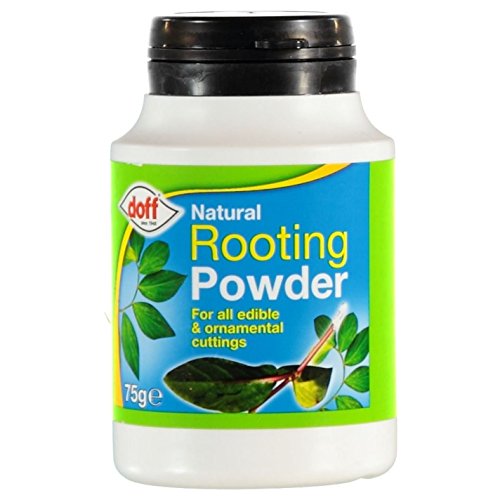
Encourages rooting in all cuttings

THE ULTIMATE ROOTING BOOSTER: Specially formulated with all-natural rooting hormone and vitamins, our propagation drops dramatically speed up root development and strengthen plants at every stage, from delicate cuttings to mature houseplants.
Choosing the Right Type of Cutting
To ensure successful propagation, choose healthy stems from your existing raspberry plant during its dormant season. Look for strong, disease-free canes that are about a pencil’s thickness. These canes will have the best chance of rooting and developing into thriving raspberry bushes.
- Sharp Pruning Shears: Use clean and sharp pruning shears to make precise cuts on the raspberry canes.
- Rooting Hormone: Opt for a rooting hormone powder or gel to encourage root growth in the cuttings.
- Containers: Prepare small pots or containers filled with well-draining potting mix.
- Watering Can: Have a watering can ready to keep the soil moist but not waterlogged.
- Clear Plastic Bags: Use clear plastic bags to create a mini greenhouse effect for humidity around the cuttings.
By having these tools and materials on hand, you’ll be well-equipped to propagate raspberry plants effectively.
The Propagation Process
When propagating raspberries from cuttings, you’re ensuring a bountiful supply of sweet raspberries without relying on store-bought ones. Raspberry cuttings are sections of the plant’s stem taken from healthy parent plants during their dormant season. These cuttings can grow into robust raspberry bushes that bear fruit within a year or two.
Step-by-Step Guide to Planting Raspberry Cuttings
To start, select healthy stems for your raspberry cuttings. Choose straight, disease-free stems that are about 6 inches long. Using sharp pruning shears, make clean cuts at a 45-degree angle just below a bud.
Next, remove the lower leaves from the cutting to expose the nodes where roots will form. Dip the cut end in rooting hormone to encourage root development.
Plant the cutting in well-draining soil or a mix of peat moss and sand. Keep the soil consistently moist but not waterlogged to support root growth.
Cover the planted cutting with a clear plastic bag to create a humid environment that aids in rooting. Place it in indirect sunlight and maintain a temperature around 70°F (21°C) for optimal growth.
Monitor the cutting regularly for signs of new growth and root development. Once roots have established, you can transplant it into its permanent outdoor location.
Caring for Your New Raspberry Plants
After transplanting your rooted raspberry cuttings outdoors, ensure they receive adequate sunlight—around 6-8 hours per day is ideal for fruit production.
Water your raspberry plants regularly, especially during dry spells or when they are fruiting heavily. Aim to keep the soil evenly moist but not waterlogged.
Mulch around the base of your raspberry plants to retain moisture, suppress weeds, and regulate soil temperature throughout the growing season.
Prune your raspberry bushes annually to remove old canes and promote new growth. This helps maintain plant vigor and ensures optimal fruit production each year.
Common Challenges and Solutions
When growing raspberries from cuttings, you may encounter some common challenges. Here are practical solutions to help you overcome them:
Recommended Products

Repels Insects, Bugs, Ants, Roaches, Fleas, Palmettos and Silverfish

LAB PROVEN TO KILL & REPEL BUGS. Plant powered pest protection with natural essential oils that works. This pest repellent spray is proven to protect your pets and family from mosquitoes, ants, ticks, fleas, and other common yard bugs. Meets the same effectiveness standards required for conventional flea and tick yard treatment and preventatives. An alternative to conventional pesticide sprays, baits, ant granules, zappers or foggers.

CROP, GARDEN & HOUSEPLANT INSECT CONTROL. Trifecta Crop Control all-natural, plant-based formula effectively combats destructive spider mites, aphids, whiteflies, fungus gnats, and other soft-bodied pests on indoor and outdoor plants. Our biodegradable, eco-friendly solution is safe for use on edible crops, without chemical residues. Our gentle yet potent plant spray suffocates and dehydrates pests without harming beneficial insects or the environment, making it ideal for organic gardening.
Dealing With Pests and Diseases
To protect your raspberry plants from pests and diseases, it’s essential to inspect them regularly. Common pests like aphids and spider mites can be managed by spraying the plants with a mixture of water and dish soap. For diseases such as powdery mildew, ensure good air circulation around the plants by spacing them adequately. Consider applying organic fungicides if necessary but always follow the instructions carefully.
Managing Watering and Sunlight Requirements
Proper watering is crucial for raspberry plants. Overwatering can lead to root rot, while underwatering can cause stress and reduce fruit production. Ensure the soil is moist but not waterlogged, especially during hot weather. Additionally, raspberries require full sunlight for at least six hours a day to thrive. If your garden doesn’t receive enough sunlight, consider using reflective mulch or planting in containers that can be moved to sunnier spots.
Conclusion
Growing raspberries from cuttings can be a rewarding experience that yields a bountiful supply of delicious berries. By following the steps outlined in this guide, you can successfully propagate new raspberry plants and enjoy the fruits of your labor. Remember to choose healthy stems, provide proper care, and address any issues promptly to ensure the growth and health of your raspberry plants. With patience and dedication, you’ll soon be harvesting fresh raspberries from your own garden. Happy gardening!
Frequently Asked Questions
How do I propagate raspberries from cuttings?
To propagate raspberries from cuttings, select healthy stems and cut them at a 45-degree angle. Dip the cut end in rooting hormone and plant it in well-draining soil. Keep the soil consistently moist and place the cutting in a sunny spot.
What are common challenges when propagating raspberries?
Common challenges when propagating raspberries include pests like aphids and diseases like powdery mildew. To address these issues, inspect your plants regularly for any signs of infestation or disease. Consider using organic fungicides to treat fungal infections.
How important is proper watering for raspberry plants?
Proper watering is crucial for raspberry plants. Avoid overwatering, as it can lead to root rot, but ensure the soil stays consistently moist. Water deeply but infrequently to encourage deep root growth and prevent waterlogging.
Why is sunlight important for successful raspberry growth?
Sunlight is essential for successful raspberry growth as it aids in photosynthesis, which is crucial for plant development. Ensure your raspberry plants receive at least 6-8 hours of sunlight daily to promote flowering and fruit production. Avoid planting them in shaded areas to prevent stunted growth.
