

Nectarine trees can thrive in Michigan’s climate with proper care and selection of cold-hardy varieties. Choosing the right tree and employing effective winter protection methods will ensure successful growth and fruit production.
Cold-Hardy Nectarine Cultivars for Michigan
Choosing the right nectarine variety is crucial for successful cultivation in Michigan. Cold-hardy varieties can withstand the harsh winters typical of the Great Lakes region. Look for cultivars specifically bred for colder climates, as they are more likely to survive the winter freeze and produce fruit in the summer.
Recommended Products

Excellent fresh or dried – Great for eating out of hand or preserving
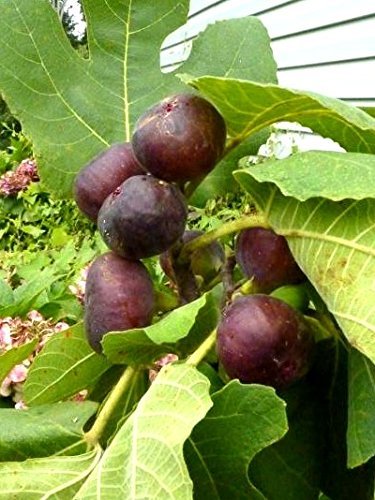
Includes Four Plants of "Chicago Hardy" Fig Trees with 4 Hello Organic Plant Tags. These are 2 inch rooted plants shipped in 2 inch tray pots and are 2-5 inches tall.

More than 50 years of research has gone into developing cherry trees with cold hardiness, dwarf stature and good fruit quality.
Best Nectarine Varieties for Michigan
When selecting nectarine varieties for Michigan, it’s essential to consider those that can withstand the region’s harsh winters and variable climate. Certain cultivars have proven resilient, offering both flavor and hardiness, making them ideal choices for local gardeners. This section explores the best nectarine varieties suited for thriving in the Great Lakes environment.
Here are some of the best nectarine varieties suited for Michigan’s climate:
| Variety Name | Chill Hours Required | Fruit Color | Ripening Time |
|---|---|---|---|
| Arctic Jay | 300 | Yellow | Late July |
| Fantasia | 600 | Yellow | Early August |
| Red Gold | 500 | Red | Mid-August |
| Sun Diamond | 400 | Yellow | Early September |
These varieties not only tolerate cold temperatures but also produce sweet and juicy fruits.
Winter Protection Strategies for Nectarine Trees
Nectarine trees can thrive in Michigan’s climate, but their survival through harsh Great Lakes winters requires careful planning. Implementing effective winter protection strategies is essential to safeguard these delicate trees from freezing temperatures and snow accumulation. This section explores practical methods to ensure the health and vitality of nectarine trees during the cold months.
Proper preparation of your nectarine trees before winter is essential. Implementing protective measures can significantly enhance their chances of survival during extreme cold spells. Start by ensuring your trees are healthy and well-watered before the first frost.
Winter Care Strategies for Nectarine Trees
Nectarine trees face unique challenges in Michigan’s harsh winters, requiring careful attention to their winter care. Understanding effective strategies for protecting these delicate trees can ensure their survival and promote healthy growth in the spring. This section explores practical methods to safeguard nectarine trees against the cold and harsh conditions typical of the Great Lakes region.
Prune Trees: Remove dead or diseased branches to promote healthy growth.
Apply Mulch: Spread a thick layer of organic mulch around the base to insulate roots.
Wrap Trunks: Use tree wrap to protect the bark from harsh winds and sunscald.
Cover with Burlap: For young trees, wrap them in burlap for added protection.
These steps will help shield your trees from winter damage.
Soil and Water Management for Nectarines
Successful cultivation of nectarine trees in Michigan requires careful attention to soil and water management. The unique climate and soil conditions of the Great Lakes region pose specific challenges that can affect tree health and fruit production. Understanding how to optimize these factors is essential for thriving nectarine orchards in this environment.
Soil quality and moisture levels play a significant role in the health of nectarine trees. Michigan’s varied soil types require careful management to ensure optimal growth. Regular testing and adjustments can help maintain the right conditions.
Soil Testing and Water Management Strategies
Successful cultivation of nectarine trees in Michigan requires careful attention to soil conditions and water management. Understanding the specific needs of these trees can help ensure they thrive despite the challenges posed by Great Lakes winters. This section delves into effective soil testing methods and strategies for optimal water management to support healthy growth and fruit production.
Soil Testing: Conduct a soil test to determine pH and nutrient levels.
Amend Soil: Add organic matter to improve drainage and fertility.
Watering Schedule: Water deeply during dry spells, especially in late summer.
Maintaining proper soil and water conditions will support healthy tree growth and fruit production.
Pest Management Strategies for Nectarine Trees
Effective pest management is crucial for the health and productivity of nectarine trees in Michigan, especially given the challenges posed by the region’s climate. Understanding the specific pests that threaten these trees and implementing targeted strategies can significantly enhance their resilience and yield. This section delves into practical approaches to safeguard nectarine trees from common pests in the Great Lakes area.
Pest management is vital for the health of your nectarine trees. Michigan’s climate can attract various pests that threaten tree health and fruit yield. Regular monitoring and proactive measures can minimize damage.
Recommended Products

KILLS LISTED FRUIT & CITRUS TREE INSECTS: Controls Asian Citrus Psyllid, Whiteflies, Aphids Thrips, Citrus Leafminers, Leafhoppers, Blackfly, Mealybugs, Scales, Avocado Lacebugs, Oriental Beetles, Flea Beetles, Sharpshooters, and Spittlebugs

CROP, GARDEN & HOUSEPLANT INSECT CONTROL. Trifecta Crop Control plant based formula targets spider mites, aphids, whiteflies, fungus gnats and other soft bodied pests on indoor and outdoor plants. Safe for edible crops and biodegradable.

EASY TO USE: The ready-to-use indoor bug spray bottle makes application easy
Pest Management Strategies for Nectarine Trees
Effective pest management is crucial for the health of nectarine trees in Michigan, especially given the challenges posed by the Great Lakes climate. Understanding common pests and implementing targeted strategies can help ensure robust growth and fruit production. This section explores various methods to protect nectarine trees from pests while maintaining their vitality throughout the seasons.
| Pest | Symptoms | Control Method |
|---|---|---|
| Aphids | Curling leaves | Use insecticidal soap |
| Peach Tree Borer | Sawdust near trunk | Apply insecticide at the base |
| Spider Mites | Yellowing leaves | Increase humidity and spray with water |
Implementing these control methods will help protect your trees from pest-related issues.
Nectarine Tree Seasonal Care Strategies
Caring for nectarine trees in Michigan requires a strategic approach to accommodate the state’s harsh winters and variable seasons. Understanding the seasonal care strategies is essential for promoting healthy growth and fruit production, ensuring these trees thrive despite the challenges posed by the Great Lakes climate. This section outlines the key practices to support nectarine trees throughout the year.
Nectarine trees have specific growth cycles that dictate their care throughout the year. Understanding these cycles will help you provide the right interventions at the right times. Each season presents unique challenges and opportunities for tree management.
Spring Fertilization and Pest Monitoring
As spring arrives in Michigan, nurturing nectarines requires careful attention to fertilization and pest monitoring. Proper fertilization supports healthy growth and fruit development, while vigilant pest management is essential to protect trees from common threats. Understanding these practices is crucial for ensuring the vitality of nectarines in the challenging climate of the Great Lakes region.
Spring: Fertilize and monitor for pests.
Summer: Water regularly and thin fruit for better quality.
Fall: Prepare for winter by pruning and mulching.
Winter: Protect trees from cold and monitor for damage.
Following this seasonal care schedule will enhance the overall health and productivity of your nectarine trees.
