

Growing mulberry trees in pots in Idaho requires specific strategies to thrive in cold climates. Proper selection of pot size, soil composition, and winter protection will ensure healthy growth and fruit production.
Optimal Pot Size for Mulberry Trees
Choosing the correct pot is crucial for mulberry trees, especially in colder climates. The pot must be large enough to accommodate root growth while providing adequate drainage. A 15 to 20-gallon pot is typically recommended for optimal growth. Ensure the pot has drainage holes to prevent waterlogging, which can lead to root rot.
Best Pot Materials for Cold-Climate Mulberry Trees
Choosing the right pot material is crucial for successfully growing mulberry trees in Idaho’s cold climate. The pot not only affects drainage and insulation but also influences the overall health of the tree. Understanding the best materials can help ensure that your mulberry thrives despite the challenges posed by lower temperatures.
The material of the pot plays a significant role in temperature regulation. Consider the following options:
Terracotta: Breathable and helps with moisture control but can crack in freezing temperatures.
Plastic: Lightweight and retains moisture well, but may not provide adequate insulation against cold.
Fiberglass: Durable and offers good insulation, making it suitable for cold climates.
| Pot Material | Insulation Quality | Weight | Durability |
|---|---|---|---|
| Terracotta | Moderate | Heavy | Moderate |
| Plastic | Low | Light | Low |
| Fiberglass | High | Moderate | High |
Soil Mix Essentials for Potted Mulberries
Selecting the right soil mix is crucial for successfully growing mulberry trees in pots, especially in Idaho’s cold climate. The ideal blend not only supports healthy root development but also ensures proper drainage and moisture retention. Understanding the specific components of a suitable soil mix can significantly enhance your mulberry’s growth and resilience.
The right soil mix is essential for mulberry trees in pots. A well-draining soil mix will prevent root rot and promote healthy growth. Use a combination of the following components:
Potting soil: Provides a nutrient base.
Perlite: Enhances drainage.
Compost: Adds nutrients and improves soil structure.
Potting Soil Ratios for Mulberry Trees
Selecting the right potting soil ratio is crucial for the health and growth of mulberry trees in Idaho’s cold climate. The right blend not only supports root development but also ensures proper drainage and nutrient retention. Understanding these ratios can significantly enhance your success in cultivating these resilient trees in containers.
For optimal results, mix the following ratios:
50% potting soil
30% perlite
20% compost
This combination ensures good drainage while retaining enough moisture for the roots.
Potted Mulberry Winter Protection Strategies
When growing mulberry trees in pots in Idaho’s cold climate, winter protection becomes essential for their survival. The right strategies can help shield these trees from harsh temperatures and ensure they thrive through the colder months. Understanding effective methods for insulation and placement will make a significant difference in their resilience and growth.
Idaho winters can be harsh, so protecting your potted mulberry trees is vital for their survival. Consider these methods:
Insulate the pot: Wrap the pot with burlap or bubble wrap to provide insulation against freezing temperatures.
Move pots indoors: If possible, relocate pots to a garage or shed during extreme cold spells.
Mulch the soil: Apply a layer of mulch on top of the soil to help retain moisture and regulate temperature.
Recommended Products

Premium breathable material - The winter plant covers are made of quality lightweight and breathable non-woven fabric.Not only protect a plant from cold air,birds, insects, other pests eating,but also make plants breathe smoothly and obtain sufficient sunlight and moisture
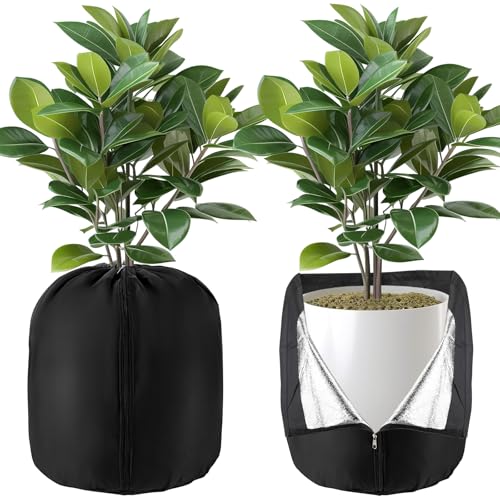
Flower Pot Protection Bag: Pot winter freeze protection jacket are made of thickened Oxford and aluminum foil layer, waterproof, and aluminum film liner protects your plants from harsh weather conditions such as snow, frost and high winds in winter and better insulates your plants, provides excellent protection for your outdoor plants and keep the pots warm.

【PROTECT YOUR PLANTS】 Made of high quality Oxford cloth and aluminum film, this planter protection bag provides excellent protection for your plants from harsh weather conditions such as snow, hail, frost and high winds.
Winter Wind Protection for Potted Mulberries
Winter can be particularly harsh for potted mulberry trees in Idaho, making wind protection essential for their survival. Understanding how to shield these trees from cold winds will help maintain their health and vitality throughout the winter months. This section explores effective strategies to safeguard your potted mulberries from the elements.
Avoid leaving pots exposed to harsh winter winds, as this can dry out the soil and damage the roots.
Potted Mulberry Watering Guidelines
Proper watering is crucial for the health of potted mulberry trees, especially in Idaho’s varying climate. Understanding the specific needs of these trees will help ensure they thrive in containers, balancing moisture levels to prevent both drought stress and overwatering. This section outlines essential guidelines for maintaining optimal hydration for your potted mulberry.
Proper watering is essential for potted mulberry trees. Overwatering can lead to root rot, while underwatering can stress the plant. Follow these guidelines:
Check soil moisture: Use your finger to test the top inch of soil. If it feels dry, it’s time to water.
Water thoroughly: When watering, ensure water drains from the bottom of the pot.
Adjust frequency: In winter, reduce watering frequency as the tree’s growth slows down.
| Season | Watering Frequency | Soil Moisture Check |
|---|---|---|
| Spring | Weekly | Top inch dry |
| Summer | Twice a week | Top inch dry |
| Fall | Every 10 days | Top inch dry |
| Winter | Monthly | Top inch dry |
Fertilizer Application Techniques for Potted Mulberries
Proper fertilization is essential for the health and productivity of potted mulberry trees, especially in Idaho’s cold climate. Understanding the best application techniques can help ensure that these trees receive the nutrients they need to thrive. This section delves into effective methods for fertilizing mulberries grown in pots, tailored to the unique challenges of colder environments.
Fertilizing potted mulberry trees is essential for promoting healthy growth and fruit production. Use a balanced fertilizer with equal parts nitrogen, phosphorus, and potassium. Apply fertilizer during the growing season, typically from spring to early fall.
Potting Fertilization for Mulberry Trees
Proper fertilization is essential for the health and growth of mulberry trees, especially when grown in pots in Idaho’s cold climate. Understanding the specific nutritional needs of these trees can enhance their resilience and fruit production. This section delves into effective fertilization strategies tailored for potted mulberry trees, ensuring they thrive despite the challenges of their environment.
Frequency: Fertilize every 4 to 6 weeks during the growing season.
Amount: Follow package instructions for the correct dosage based on pot size.
Water after application: Always water the tree after fertilizing to help the nutrients absorb into the soil.
Pruning Techniques for Potted Mulberry Trees
Pruning is essential for maintaining the health and shape of potted mulberry trees, especially in Idaho’s cold climate. Proper techniques can enhance growth and fruit production while ensuring the tree adapts well to its confined environment. Understanding the right methods will help you cultivate a thriving mulberry tree in a pot despite the challenges of colder temperatures.
Regular pruning is vital for maintaining the health of mulberry trees in pots. Pruning encourages new growth and improves air circulation. Follow these steps for effective pruning:
Remove dead branches: Cut away any dead or diseased branches to prevent the spread of disease.
Shape the tree: Trim to maintain a balanced shape and remove any overcrowded areas.
Timing: Prune in late winter or early spring before new growth begins.
| Pruning Task | Purpose | Timing |
|---|---|---|
| Remove dead branches | Prevent disease | Late winter |
| Shape the tree | Improve aesthetics | Early spring |
| Trim overcrowded areas | Enhance air circulation | Late winter |
Mulberry Tree Care in Cold Climates
Monitor your mulberry trees regularly for signs of pests or disease. Keep an eye on soil moisture levels and adjust your care routine based on seasonal changes. With the right potting techniques and care, your mulberry trees will thrive in Idaho’s cold climate.
