

Using lime sulfur on papaya trees effectively manages and prevents disease outbreaks. This treatment is particularly useful against fungal infections and pests that can quickly damage the trees if left unchecked.
Lime Sulfur Application for Papaya Health
Lime sulfur is a powerful fungicide and insecticide that helps protect papaya trees from various diseases. It contains calcium polysulfides, which are effective against pathogens like powdery mildew and root rot. Applying lime sulfur not only treats existing issues but also acts as a preventive measure against future infestations. Knowing how and when to use this product can significantly enhance the health of your papaya trees.
Recommended Products
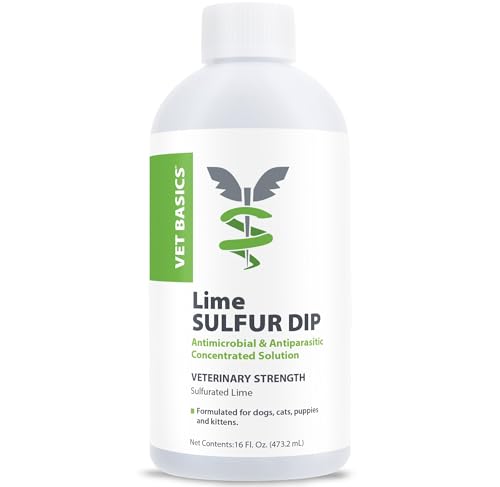
LIME SULFUR DIP FOR DOGS, CATS, PUPPIES & KITTENS: Professional-strength lime sulfur dip formulated for dogs, cats, puppies, and kittens to help manage mange, mites, and ringworm-related skin issues. Supports healthy skin and coat condition while helping soothe itching, irritation, and discomfort caused by common skin challenges.

3 GARDEN PRODUCTS IN 1: Fungicide, insecticide & miticide kills eggs, larvae & adult stages of insects

🐾 EXTRA-STRENGTH 97.8% FORMULA – Harness the power of pure sulfureted lime, trusted in veterinary dermatology for decades. This 97.8% formula helps restore comfort in pets — offering professional-grade relief through nature’s science.
Lime Sulfur Advantages for Papaya Care
Lime sulfur offers numerous benefits for the care of papaya trees, particularly in disease prevention and management. This effective treatment not only helps control fungal infections but also promotes healthier growth, ensuring that your papaya trees thrive. Understanding the advantages of lime sulfur can empower growers to take proactive measures against potential threats to their crops.
Using lime sulfur provides several advantages for papaya tree care. This treatment is not only effective but also versatile. Here are some benefits:
Broad-spectrum action against fungi and pests
Organic certification for environmentally conscious growers
Cost-effective solution for disease management
Easy application process
Lime Sulfur Application Techniques for Papaya Trees
Effective application techniques for lime sulfur on papaya trees are crucial in preventing disease outbreaks. By understanding the best practices for application, growers can ensure maximum coverage and efficacy, ultimately protecting their crops from fast-spreading infections. This section will detail the methods that yield the best results for maintaining healthy papaya trees.
Proper application is crucial for the effectiveness of lime sulfur. Follow these steps to ensure optimal results:
Dilute lime sulfur according to the manufacturer’s instructions.
Apply during the dormant season to minimize plant stress.
Use a sprayer to evenly coat leaves and stems.
Reapply every 7-14 days during active growth periods.
| Step | Action | Timing |
|---|---|---|
| 1 | Dilute lime sulfur | As per instructions |
| 2 | Apply during dormancy | Late fall to early spring |
| 3 | Use a sprayer | Ensure even coverage |
| 4 | Reapply | Every 7-14 days |
Papaya Tree Disease Management Strategies
Effective management of papaya tree diseases is crucial for maintaining healthy crops and maximizing yields. This section outlines various strategies that can help prevent the spread of diseases, focusing on proactive measures and treatments that ensure the vitality of your papaya trees. By implementing these practices, growers can safeguard their plants against potential threats.
Papaya trees are susceptible to various diseases that can compromise their health. Understanding these diseases is essential for effective management. Here are some common issues:
Powdery mildew: Appears as white powdery spots on leaves.
Root rot: Caused by overwatering and poor drainage.
Papaya ringspot virus: Transmitted by aphids, leading to stunted growth.
Lime Sulfur Strategies for Disease Prevention
Lime sulfur is an effective tool for preventing diseases in papaya trees, helping to maintain their health and productivity. Understanding the best strategies for its application can significantly reduce the risk of disease spread, ensuring robust growth and fruit yield. This section explores practical approaches to using lime sulfur for optimal results in your papaya cultivation.
Incorporating lime sulfur into your care routine can prevent disease outbreaks. Here are some preventive strategies:
Regular monitoring of tree health
Maintaining proper drainage to prevent root rot
Applying lime sulfur before the rainy season
Pruning affected areas to improve airflow
Critical Considerations for Lime Sulfur Use
While lime sulfur is effective, it is essential to consider a few critical points before application. Always test a small area first to check for any adverse reactions. Avoid applying during extreme temperatures to prevent plant stress. Follow all safety guidelines to protect yourself and the environment.
Lime Sulfur Application Benefits for Papaya Trees
Lime sulfur is an effective solution for protecting papaya trees from various diseases. By applying this treatment, growers can enhance plant health, prevent the spread of infections, and promote vigorous growth. Understanding the specific benefits of lime sulfur application is essential for maintaining the vitality of these tropical trees.
Using lime sulfur can significantly enhance the resilience of papaya trees against diseases. Regular applications, combined with good cultural practices, create a healthy growing environment. This proactive approach ensures your papaya trees remain productive and vibrant.
