

Mango trees can thrive in North Carolina’s Piedmont region with proper care and attention. Selecting the right variety and implementing effective cultivation practices can lead to successful fruit production.
Piedmont Mango Variety Selection Tips
Selecting the right mango variety is crucial for successful cultivation in North Carolina’s Piedmont region. This section provides essential tips on choosing mango varieties that thrive in the local climate, ensuring optimal growth and fruit production. Understanding the specific needs and characteristics of these varieties will help you make informed decisions for a fruitful mango garden.
Choosing the appropriate mango variety is crucial for success in North Carolina’s Piedmont climate. Some varieties are more adaptable to cooler temperatures, while others may struggle. Consider these factors when selecting:
Climate adaptability: Look for varieties that can withstand occasional frost.
Fruit quality: Choose based on desired taste and texture.
Growth habit: Some varieties are more compact, suitable for smaller spaces.
Piedmont Mango Varieties for North Carolina
In North Carolina’s Piedmont region, specific mango varieties thrive despite the area’s unique climate challenges. Understanding which types flourish here is essential for successful cultivation, ensuring both fruit quality and tree health. This section explores the best mango varieties suited for Piedmont conditions, offering insights into their characteristics and care requirements.
Here are a few mango varieties that perform well in North Carolina:
| Variety | Growth Habit | Fruit Size | Flavor Profile |
|---|---|---|---|
| Haden | Medium | Large | Sweet, aromatic |
| Tommy Atkins | Tall | Medium | Mild, fibrous |
| Kent | Medium | Large | Sweet, juicy |
| Palmer | Compact | Medium | Sweet, smooth |
Site Preparation for Mango Tree Success
Preparing the right site is crucial for the successful growth of mango trees in North Carolina’s Piedmont region. This section outlines essential steps for selecting and prepping the ideal location, ensuring that your mango trees thrive in the unique climate and soil conditions of the area. Proper site preparation sets the foundation for a fruitful harvest.
Proper site preparation is essential for healthy mango tree growth. The right location and soil conditions will promote strong root development and fruit production. Follow these steps for optimal results:
Choose a sunny location: Mango trees require full sun for at least six hours each day.
Test soil pH: Aim for a pH between 5.5 and 7.5 for best growth.
Improve drainage: If necessary, amend heavy clay soils with organic matter to enhance drainage.
Soil Readiness for Mango Planting
Mango trees thrive in specific soil conditions, making soil readiness a crucial factor for successful planting in North Carolina’s Piedmont region. Understanding the ideal soil composition, drainage, and pH levels will help ensure these tropical trees establish strong roots and flourish in a climate that poses unique challenges. Proper preparation sets the stage for healthy growth and fruitful harvests.
Implement these techniques to ensure your soil is ready for planting:
Tilling: Break up compacted soil to improve aeration.
Organic amendments: Incorporate compost or well-rotted manure to enrich the soil.
Mulching: Apply a layer of mulch to retain moisture and suppress weeds.
Mango Tree Watering and Fertilization Practices
Proper watering and fertilization are essential for the successful cultivation of mango trees in North Carolina’s Piedmont region. Understanding the specific needs of these tropical trees can significantly enhance their growth and fruit production. This section delves into effective practices to ensure your mango trees thrive in this unique climate.
Mango trees require specific watering and fertilization practices to thrive. Understanding their needs will help prevent stress and ensure healthy growth.
Watering frequency: Water deeply once a week during dry spells.
Fertilizer type: Use a balanced fertilizer with a ratio like 10-10-10 during the growing season.
Nutrient timing: Apply fertilizer in early spring and again in mid-summer.
Recommended Products
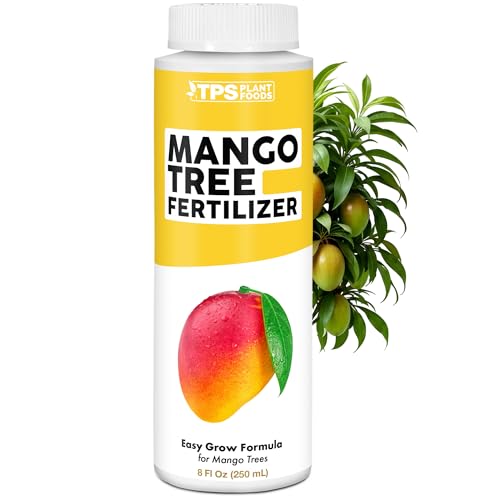
Made for Mango Trees – Formulated to support healthy growth in mango and tropical fruit trees.
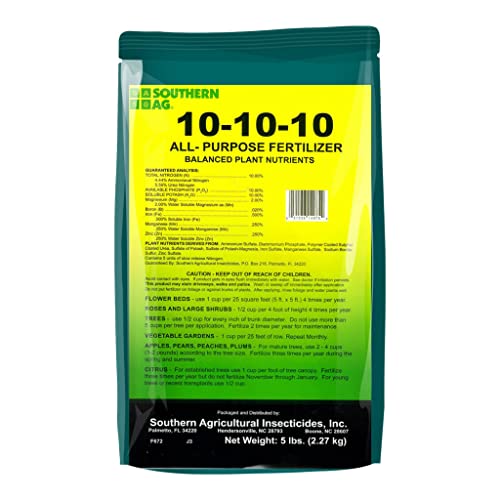
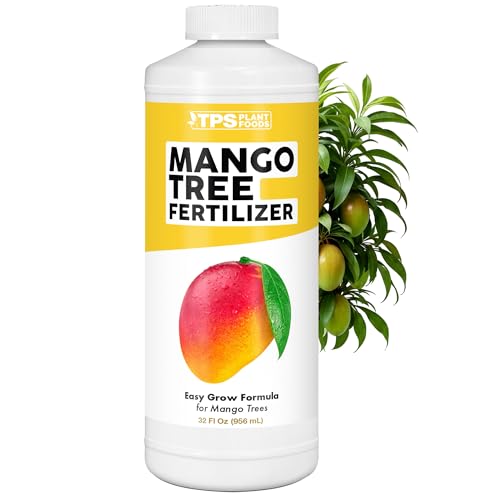
Made for Mango Trees – Formulated to support healthy growth in mango and tropical fruit trees.
Mango Tree Watering Guidelines for North Carolina
Mango trees thrive in North Carolina’s Piedmont region, but proper watering is crucial for their success. Understanding the specific needs of these tropical plants will help ensure healthy growth and fruit production. This section outlines essential watering guidelines tailored to the unique climate and soil conditions of North Carolina.
A consistent watering schedule is essential. Consider the following guidelines:
| Season | Frequency | Amount |
|---|---|---|
| Spring | Weekly | 1-2 inches |
| Summer | Weekly | 2-3 inches |
| Fall | Bi-weekly | 1 inch |
| Winter | Monthly | Light watering |
Pest Control Strategies for Mango Trees
Mango trees in North Carolina’s Piedmont region can thrive, but they are not immune to pests that threaten their health and productivity. Effective pest control strategies are essential for maintaining vibrant and fruitful trees. This section explores practical approaches to managing common pests, ensuring your mango trees remain healthy and productive throughout the growing season.
Monitoring for pests and diseases is vital for maintaining healthy mango trees. Early detection can prevent significant damage and ensure a bountiful harvest.
Common pests: Look out for aphids, spider mites, and scale insects.
Disease prevention: Ensure good air circulation and avoid overhead watering to reduce fungal diseases.
Natural remedies: Use neem oil or insecticidal soap for pest control.
Pest Control Techniques for Mango Trees
Mango trees in North Carolina’s Piedmont region can thrive, but they are susceptible to various pests that can hinder their growth and fruit production. Understanding effective pest control techniques is essential for maintaining healthy trees and ensuring a bountiful harvest. This section explores proven strategies to protect your mango trees from common pests.
Implement these strategies to manage pests effectively:
Regular inspections: Check leaves and branches weekly for signs of infestation.
Beneficial insects: Introduce ladybugs or lacewings to control aphid populations.
Cultural practices: Maintain healthy trees through proper watering and fertilization to enhance their resilience.
Pruning Techniques for Healthy Mango Growth
Pruning is essential for maintaining healthy mango trees, especially in North Carolina’s Piedmont region. Proper techniques not only promote robust growth but also enhance fruit production and tree structure. This section will explore effective pruning methods tailored to the unique climate and conditions of the area, ensuring your mango trees thrive.
Regular pruning and maintenance will promote healthy growth and fruit production. Proper techniques will help shape the tree and improve air circulation.
Timing: Prune during the dormant season in late winter.
Techniques: Remove dead or crossing branches to improve structure.
Shape: Aim for an open canopy to allow sunlight penetration.
Mango Tree Pruning Timing and Techniques
Pruning is essential for maintaining the health and productivity of mango trees, especially in North Carolina’s Piedmont region. Understanding the right timing and techniques can significantly enhance growth and fruit yield. This section will explore effective pruning methods tailored to the unique climate and conditions of the area.
A well-timed pruning schedule is essential. Follow these guidelines:
| Task | Timing | Frequency |
|---|---|---|
| Remove dead branches | Late winter | Annually |
| Shape canopy | Late winter | Annually |
| Thin out growth | Late winter | As needed |
Frost Protection Strategies for Mango Trees
Mango trees thrive in North Carolina’s Piedmont region, but their success hinges on effective frost protection strategies. Understanding how to safeguard these tropical plants from cold temperatures is crucial for maintaining healthy growth and fruit production. This section outlines practical methods to shield mango trees from frost damage, ensuring they flourish in a less-than-ideal climate.
Frost can severely damage mango trees. Protect young trees with frost cloth during unexpected cold snaps.
Mango Cultivation Tips for Piedmont Success
Mango trees can thrive in North Carolina’s Piedmont region with the right care and attention. This section offers essential tips for successfully cultivating mango trees, focusing on the unique challenges and opportunities presented by the local climate. By following these guidelines, you can enjoy a fruitful harvest and vibrant growth in your garden.
Successful mango cultivation in North Carolina’s Piedmont region requires careful selection, preparation, and ongoing maintenance. Following these guidelines will enhance your chances of a fruitful harvest.
