

Using lime sulfur on mango trees effectively controls pests and diseases while promoting healthy growth. This treatment is particularly useful for managing fungal infections and insect infestations, ensuring optimal fruit production.
Lime Sulfur Application Techniques for Mango Health
Lime sulfur is a powerful fungicide and insecticide that can significantly enhance the health of mango trees. It works by creating an inhospitable environment for pests and pathogens. The application of lime sulfur can lead to improved fruit quality and yield.
Recommended Products

🐾 ALL-AROUND SOLUTION - Unsure of what’s causing your pet’s skin problem? Our lime sulfur dip has been proven effective for treating non-specific dermatoses. It also gets rid of parasites!
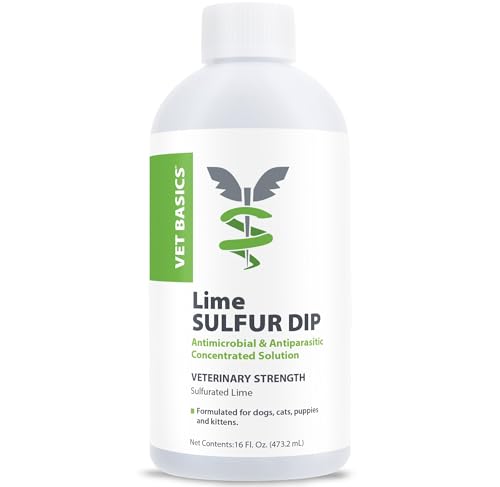
LIME SULFUR DIP FOR DOGS, CATS, PUPPIES & KITTENS: Professional-strength lime sulfur dip formulated for dogs, cats, puppies, and kittens to help manage mange, mites, and ringworm-related skin issues. Supports healthy skin and coat condition while helping soothe itching, irritation, and discomfort caused by common skin challenges.

Made for Lime & Citrus Trees – Formulated to support healthy growth in lime and citrus trees.
Benefits of Lime Sulfur for Mango Trees
Lime sulfur is a powerful tool for mango tree cultivation, offering a range of benefits that enhance tree health and fruit quality. This natural fungicide and insecticide helps manage pests and diseases while promoting vigorous growth. Understanding its advantages can lead to more productive and resilient mango orchards.
Applying lime sulfur offers several benefits for mango trees, including:
Fungal disease control: Effective against powdery mildew and anthracnose.
Insect management: Deters pests such as aphids and spider mites.
Soil health improvement: Enhances nutrient availability in the soil.
Environmental safety: Generally considered less harmful to beneficial insects compared to synthetic chemicals.
Lime Sulfur Application Techniques for Mango Trees
Applying lime sulfur to mango trees requires precise techniques to ensure effectiveness and safety. Understanding the best practices for application can significantly enhance tree health and fruit quality. This section delves into the most effective methods for using lime sulfur, tailored specifically for mango cultivation.
Proper application of lime sulfur is crucial for achieving the best results. Follow these steps to ensure effective treatment:
Choose the right time: Apply lime sulfur during the dormant season or early spring before bud break.
Prepare the solution: Mix lime sulfur with water according to the manufacturer’s instructions.
Use protective gear: Wear gloves, goggles, and a mask to avoid skin and respiratory irritation.
Spray evenly: Use a sprayer to cover the entire tree, focusing on the undersides of leaves.
Recommended Products

🌿 BEST BALANCED NUTRITIONAL FOOD SPRAY: This advanced liquid plant food spray is specially formulated for a diverse array of trees including Banana, Avocado, Citron, Citrus, Kumquat, Grapefruit, Lemon, Lime, Mandarin, Mango, Orange, Pomelo, Tropical, and Tangerine. It's the perfect solution for nurturing both ornamental and fruit-bearing trees, providing balanced nutrition that supports overall plant health and productivity.
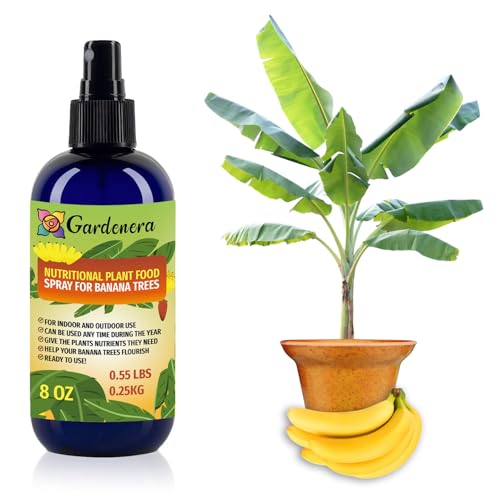
🌿 BEST BALANCED NUTRITIONAL FOOD SPRAY: This advanced liquid plant food spray is specially formulated for a diverse array of trees including Banana, Avocado, Citron, Citrus, Kumquat, Grapefruit, Lemon, Lime, Mandarin, Mango, Orange, Pomelo, Tropical, and Tangerine. It's the perfect solution for nurturing both ornamental and fruit-bearing trees, providing balanced nutrition that supports overall plant health and productivity.

TRIPLE PROTECTION FORMULA: 3-in-1 solution kills listed insects, controls listed diseases, and controls listed mites with one easy application
Lime Sulfur Application Schedule for Mango Trees
Understanding the optimal application schedule for lime sulfur on mango trees is crucial for achieving professional results. This section outlines the best timing and frequency for treatments, ensuring that your mango trees receive the necessary care to thrive while effectively managing pests and diseases. Following these guidelines will help maximize the health and productivity of your mango crop.
The frequency of application depends on the severity of the pest or disease issue. Generally, a schedule may look like this:
| Timing | Action |
|---|---|
| Early Spring | First application before bud break |
| Mid-Spring | Second application if needed |
| Late Summer | Final application to prevent late-season diseases |
Lime Sulfur Application Safety Guidelines
Applying lime sulfur to mango trees can yield impressive results, but safety is paramount. Understanding the proper guidelines for application ensures not only the health of your trees but also the safety of those handling the product. This section outlines essential safety measures to follow for effective and responsible use.
While lime sulfur is effective, it is essential to take safety precautions during its use.
Avoid contact with skin: The solution can cause irritation.
Keep pets and children away: Ensure that the area is clear during application.
Follow label instructions: Adhere to the recommended dosages and application methods.
Beneficial Insect Impact of Lime Sulfur
Lime sulfur is not just a powerful treatment for pests and diseases on mango trees; it also plays a crucial role in supporting beneficial insects. Understanding its impact on these helpful species can enhance the overall health of the orchard, promoting a balanced ecosystem that benefits both the trees and the surrounding environment. This section explores how lime sulfur interacts with beneficial insects and its implications for mango cultivation.
Lime sulfur is less toxic to beneficial insects compared to synthetic pesticides. However, consider the following:
Avoid application during flowering: Protect pollinators by not spraying when mango trees are in bloom.
Monitor weather conditions: Do not apply before rain to prevent wash-off.
Lime Sulfur Application Challenges and Solutions
Applying lime sulfur to mango trees can present unique challenges that require careful consideration and expertise. Understanding these obstacles, from timing to concentration, is crucial for achieving optimal results. This section explores common issues faced during application and offers practical solutions to ensure the health and productivity of your mango trees.
If you encounter problems while using lime sulfur, consider these common issues and solutions:
Ineffective pest control: Check if the solution was mixed correctly and applied thoroughly.
Leaf burn: This may occur if applied during high temperatures. Adjust timing to cooler parts of the day.
Poor fruit set: Ensure that the tree is healthy and not stressed from over-application.
Recommended Products

CITRUS PLANT FOOD: This avacado, mango and citrus fruit tree fertilizer feeds plants for up to 3 months and nourishes above and below the soil

🌿 BEST BALANCED NUTRITIONAL FOOD SPRAY: This advanced liquid plant food spray is specially formulated for a diverse array of trees including Banana, Avocado, Citron, Citrus, Kumquat, Grapefruit, Lemon, Lime, Mandarin, Mango, Orange, Pomelo, Tropical, and Tangerine. It's the perfect solution for nurturing both ornamental and fruit-bearing trees, providing balanced nutrition that supports overall plant health and productivity.

🌿 BEST BALANCED NUTRITIONAL FOOD SPRAY: This advanced liquid plant food spray is specially formulated for a diverse array of trees including Banana, Avocado, Citron, Citrus, Kumquat, Grapefruit, Lemon, Lime, Mandarin, Mango, Orange, Pomelo, Tropical, and Tangerine. It's the perfect solution for nurturing both ornamental and fruit-bearing trees, providing balanced nutrition that supports overall plant health and productivity.
Best Practices for Healthy Mango Tree Maintenance
Maintaining healthy mango trees requires a combination of proper care techniques and timely interventions. This section outlines the best practices that professionals should adopt to ensure robust growth and fruit production. By following these guidelines, you can enhance the vitality of your mango trees and maximize their yield.
In addition to lime sulfur, consider these practices to maintain healthy mango trees:
Regular pruning: Helps improve air circulation and light penetration.
Soil testing: Determines nutrient levels and pH balance for optimal growth.
Water management: Ensure consistent watering, especially during dry spells.
Lime Sulfur Application Data for Mango Trees
Understanding the precise application of lime sulfur on mango trees is essential for achieving optimal health and fruit production. This section provides detailed data on the timing, concentration, and methods for applying lime sulfur, ensuring that professionals can effectively combat pests and diseases while promoting robust growth in their mango orchards.
The following table summarizes key data for lime sulfur applications on mango trees:
| Parameter | Recommendation |
|---|---|
| Concentration | 1-2% solution |
| Application frequency | Every 4-6 weeks as needed |
| Best application time | Early morning or late afternoon |
| Temperature range | 60-85°F for optimal results |
Lime Sulfur Application for Mango Health
Lime sulfur is a powerful tool for enhancing the health of mango trees, offering a range of benefits from pest control to disease prevention. Proper application techniques are essential to maximize its effectiveness while ensuring the safety of the trees. This section provides expert guidance on how to apply lime sulfur for optimal results in mango cultivation.
To achieve professional results, integrate lime sulfur into a comprehensive pest management strategy. Regular monitoring of tree health and timely applications will ensure a thriving mango orchard. Always prioritize safety and environmental considerations during the application process.
