

Growing banana trees in Rhode Island is achievable with the right coastal soil management techniques. Proper soil amendments and careful site selection can lead to successful cultivation, even in less-than-ideal conditions.
Coastal Soil Characteristics for Banana Cultivation
Coastal soils in Rhode Island often present unique challenges for growing banana trees. These soils tend to be sandy and well-draining, which can lead to nutrient leaching. However, they also provide excellent aeration for root systems. Understanding the specific properties of your soil is crucial for successful banana cultivation.
Nutrient Level Soil Testing Techniques
Understanding the nutrient levels in soil is crucial for the successful cultivation of banana trees in Rhode Island’s coastal environment. This section delves into effective soil testing techniques that can help growers assess nutrient availability and make informed decisions to enhance plant health and productivity. By employing these methods, you can ensure optimal growing conditions for your banana trees.
Conducting a soil test is essential to determine nutrient levels and pH. This information guides your soil amendment strategy.
| Nutrient | Ideal Level | Action Needed |
|---|---|---|
| Nitrogen | 10-20 ppm | Add urea or compost |
| Phosphorus | 15-30 ppm | Incorporate bone meal |
| Potassium | 100-200 ppm | Use potassium sulfate |
Optimal Soil pH for Banana Trees
Understanding the optimal soil pH for banana trees is crucial for successful cultivation in Rhode Island’s unique coastal environment. This section delves into the specific pH range that promotes healthy growth and fruit production, ensuring that gardeners can create the ideal conditions for their banana trees to thrive in this region.
The ideal pH for banana trees ranges from 5.5 to 7.0. If your soil is too acidic or alkaline, you can adjust it using specific amendments.
To raise pH, apply lime.
To lower pH, use sulfur or aluminum sulfate.
Coastal Banana Varieties for Rhode Island
Rhode Island’s unique coastal environment presents both challenges and opportunities for cultivating banana trees. Selecting the right coastal banana varieties is crucial for successful growth in this region. This section explores the most suitable banana varieties that thrive in Rhode Island’s soil and climate, ensuring a fruitful harvest for local growers.
Choosing the correct banana variety is essential for success in Rhode Island’s climate. Some varieties are more tolerant of cooler temperatures and can thrive in coastal conditions.
Recommended Products

Delicious Bananas: The Namwah Banana Tree produces sweet, creamy bananas that are perfect for fresh eating, cooking, and desserts, making it a delightful addition to your garden.
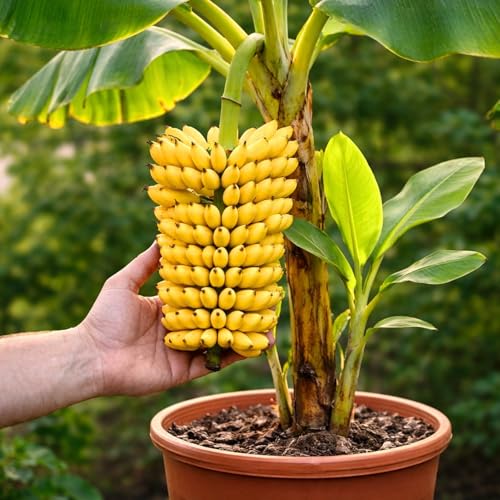
🍌 Premium Banana Seeds: High-quality banana seeds selected for planting and growing healthy tropical banana plants.
![Greenwood Nursery: Live Perennial Plants - Musa Basjoo Cold Hardy Banana - [Qty: 2X Pint Pots] - (Click for Other Available Plants/Quantities)](https://m.media-amazon.com/images/I/51cl7jVVE3L._SL500_.jpg)
🌿 [INFO1] - Gives a tropical look to your garden. Grows from the Southern U.S. all the way to the southern part of Canada. A hardy Flowering Banana plant provides a tropical plant or jungle garden feel for pool landscapes, zen gardens and also makes an excellent container plant for porches, decks, patios & sunny areas of the house. The yellow orange flowers will produce small ornamental fruits that are not edible.
Top Banana Varieties for Rhode Island
When cultivating banana trees in Rhode Island, selecting the right variety is crucial for thriving in the coastal climate. This section explores the top banana varieties suited for the region, highlighting their unique characteristics and adaptability to local soil conditions. Understanding these options can enhance your chances of successful banana cultivation in this unique environment.
Dwarf Cavendish: Compact growth and high yield.
Ice Cream Banana: Sweet flavor and cold tolerance.
Rajapuri: Hardy and adaptable to various soils.
Banana Tree Soil Fertility Strategies
Understanding the unique soil fertility needs of banana trees is crucial for successful cultivation in Rhode Island’s coastal environment. This section delves into effective strategies for enhancing soil quality, ensuring optimal growth conditions, and maximizing fruit yield. By implementing these practices, growers can create a thriving ecosystem for their banana trees, even in less-than-ideal soil conditions.
Improving soil fertility is crucial for the growth of banana trees. Regular amendments can help maintain nutrient levels and soil structure.
Recommended Products
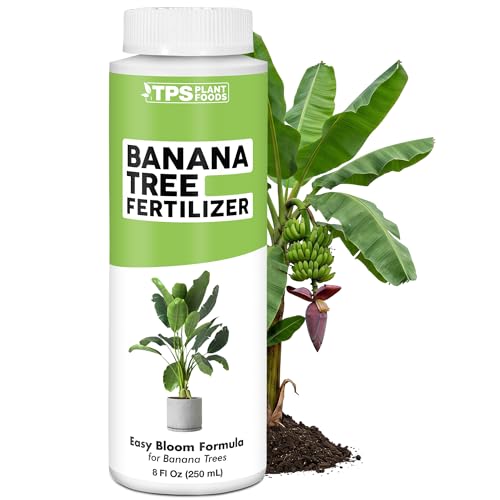
Made for Banana Trees – Specially formulated banana fertilizer designed to support the nutrient needs of banana plants.

PREMIUM FUEL LIQUID FERTILIZER: Wellspring Gardens Banana Fuel Liquid Fertilizer Concentrate provides a quality nutrient blend with minor elements that could grow your plants. Its 3-1-6 formula ratio is the ideal fertilizer ration according to University of Florida which is what our product is made of.

FORMULATED FOR CITRUS AND FRUIT TREES: Use these citrus fertilizer spikes on apple, orange, lemon, lime, and avocado trees; this formula is also great for feeding palm trees
Organic Soil Enhancements for Fertility
Enhancing soil fertility is crucial for cultivating banana trees in Rhode Island’s coastal environment. This section explores various organic soil enhancements that can improve nutrient availability and support healthy growth. By understanding these enhancements, growers can create optimal conditions for their banana trees to thrive in the unique coastal soil.
Incorporating organic matter can enhance soil fertility and moisture retention. Consider these options:
Compost: Adds nutrients and improves soil structure.
Manure: Provides a rich source of nitrogen and other nutrients.
Mulch: Helps retain moisture and suppress weeds.
Rhode Island Banana Tree Fertilization Guide
Fertilizing banana trees in Rhode Island requires a tailored approach due to the unique coastal soil conditions. Understanding the specific nutrient needs and timing can significantly enhance growth and fruit production. This guide offers practical insights into effective fertilization strategies for thriving banana trees in the region.
Establishing a fertilization schedule is important for optimal growth.
| Month | Action |
|---|---|
| March | Apply balanced fertilizer |
| June | Side-dress with compost |
| September | Apply potassium for fruit development |
Water Management for Banana Trees
Effective water management is crucial for cultivating banana trees in Rhode Island’s coastal soils. Given the unique climate and soil conditions, understanding irrigation techniques and drainage solutions can significantly impact growth and fruit production. This section explores essential strategies to optimize water use and ensure healthy banana tree development in this region.
Proper water management is crucial for the health of banana trees. While they require consistent moisture, they do not tolerate standing water.
Recommended Products

【Universal 1/4 Inch Size Set】- Designed for US market compatibility,MIXC new drip irrigation system set uses 1/4 inch (6mm) components to address potential mismatches with standard hoses, unlike some 5/16 inch systems. It includes 2-way connectors, tubing, and 3-way connectors to help users set up DIY garden irrigation more conveniently.

2.0 gallon per hour pressure-compensating emitter delivers same uniform flow rate from beginning to end of tubing runs

Be a Gardening Master with the help of our superior and complete Drip Irrigation Kit: 10 Drip Irrigation Emitters Vortex + 20 Drip Emitters Spray + 50ft flexible & durable 5/16 irrigation tubing + 50ft 1/4 inch Drip Irrigation Tubing + 12 tubing coupler + 5 ¼ Tubing Tee Splitter + Tubing End Plugs + Water Connector + 1 x Complete Instructions Guide Hard Copy + 2 Grow your Own Vegetables & Fruits Guide full with pieces of advice and practical tips Digital Format.
Irrigation Strategies for Coastal Banana Trees
Effective irrigation is crucial for the successful cultivation of banana trees in Rhode Island’s unique coastal soil conditions. This section explores various irrigation strategies tailored to optimize water usage, ensuring that these tropical plants thrive despite the challenges posed by the local environment. Understanding these techniques will help growers maximize their yields and maintain healthy trees.
Consider these irrigation methods to maintain adequate moisture levels:
Drip irrigation: Provides consistent moisture directly to the roots.
Soaker hoses: Efficient for larger areas with less water waste.
Rhode Island Banana Tree Drainage Strategies
Successfully growing banana trees in Rhode Island requires careful attention to drainage, especially given the coastal soil conditions. Implementing effective drainage strategies can help prevent waterlogging and promote healthy root development. This section explores practical methods to enhance drainage and ensure your banana trees thrive in this unique environment.
If your site has poor drainage, consider implementing these solutions:
Raised beds: Improve drainage and soil warmth.
French drains: Redirect excess water away from the root zone.
Coastal Wind Protection for Banana Trees
Coastal conditions in Rhode Island present unique challenges for cultivating banana trees, particularly due to strong winds. Understanding how to effectively protect these plants from harsh gusts is crucial for their growth and fruit production. This section delves into practical strategies for safeguarding banana trees against coastal winds, ensuring they thrive in this environment.
Coastal winds can pose a threat to banana trees, especially younger plants. Implementing protective measures can safeguard your investment.
Effective Windbreaks for Banana Trees
Creating effective windbreaks is crucial for cultivating banana trees in Rhode Island’s coastal environment. Given the region’s unique weather patterns and potential for strong winds, implementing strategic barriers can significantly enhance the growth and yield of these tropical plants. This section explores various windbreak options tailored to protect banana trees while optimizing their growing conditions.
Consider planting windbreaks to shield your banana trees from harsh winds.
Hedges: Use dense shrubs to create a natural barrier.
Fencing: Install solid fencing to block wind.
Supporting Young Banana Trees
Successfully nurturing young banana trees in Rhode Island requires careful attention to their unique needs, particularly in the coastal soil environment. This section will explore essential practices and tips for supporting the growth of these plants, ensuring they thrive despite the challenges posed by local conditions. Understanding these factors is crucial for achieving healthy, productive banana trees.
Staking young banana trees can provide additional support until they establish a strong root system.
- Use bamboo stakes and soft ties to avoid damage.
Banana Tree Growth Factors in Rhode Island
Understanding the growth factors for banana trees in Rhode Island is essential for successful cultivation in this unique coastal environment. The interplay of climate, soil composition, and local agricultural practices plays a crucial role in determining how well these tropical plants can thrive outside their native habitats. This section delves into the specific conditions that influence banana tree growth in the region.
Growing banana trees in Rhode Island requires attention to soil quality, variety selection, and environmental factors. Regular monitoring and adjustments will enhance your chances of a fruitful harvest.
Critical Warning: Always be cautious of frost conditions which can damage young plants.
Implement these strategies to ensure your banana trees thrive in Rhode Island’s coastal soil.
