

Avocado trees can thrive in Lincoln, NE, with the right conditions and care. Proper selection of varieties, soil preparation, and climate considerations are essential for successful growth and fruit production.
Cold-Hardy Avocado Varieties for Lincoln
For gardeners in Lincoln, NE, selecting the right avocado variety is crucial for successful cultivation in the region’s climate. Cold-hardy avocado varieties can thrive despite the challenges posed by colder temperatures, allowing enthusiasts to enjoy homegrown fruit. This section explores the best options to consider for a fruitful harvest in the Great Plains.
Choosing the correct avocado variety is crucial for successful cultivation in Lincoln. The climate in this region can be challenging for tropical plants, so selecting cold-hardy varieties is essential. Consider the following options:
Hass: This variety is popular for its creamy texture and rich flavor. It can tolerate mild frost.
Bacon: Known for its cold resistance, this variety produces smooth, green fruit and is suitable for cooler climates.
Fuerte: This hybrid is less cold-sensitive and can produce fruit in a range of temperatures.
Recommended Products

RESTRICTIONS - If you live in Arizona and order this tree, your order will be canceled.

Easy to Grow – Requires minimal care and thrives in full sun or partial shade

Cold-Hardy Avocado Variety
Soil Management for Avocado Cultivation
Successful avocado cultivation in Lincoln, NE hinges on effective soil management techniques tailored to the unique conditions of the Great Plains. Understanding soil composition, drainage, and nutrient requirements is essential for ensuring healthy growth and maximizing yield. This section delves into the best practices for preparing and maintaining soil to support thriving avocado trees in this region.
Soil quality directly affects the health and yield of avocado trees. Proper soil preparation ensures optimal drainage and nutrient availability. Follow these steps for effective soil management:
Test the Soil: Check pH levels and nutrient content. Ideal pH for avocados is between 6 and 7.
Improve Drainage: Avocado roots are sensitive to waterlogging. Mix in sand or perlite to enhance drainage.
Add Organic Matter: Incorporate compost or well-rotted manure to enrich the soil with nutrients.
| Soil Component | Recommended Action |
|---|---|
| pH Level | Aim for 6-7 |
| Drainage | Mix in sand or perlite |
| Nutrients | Add compost or manure |
Great Plains Climate Impact on Avocado Cultivation
The unique climate of the Great Plains presents both challenges and opportunities for avocado cultivation in Lincoln, NE. Understanding how temperature fluctuations, precipitation patterns, and seasonal changes affect these trees is crucial for successful growth and harvest. This section explores the specific climatic factors that influence avocado farming in this region.
Lincoln experiences a continental climate, which can impact avocado growth. Understanding the climate is vital for successful cultivation. Focus on these aspects:
Frost Protection: Use frost cloths or row covers during late spring frosts to protect young trees.
Sun Exposure: Avocado trees require full sun for at least six hours daily. Choose a location that maximizes sunlight.
Wind Barriers: Strong winds can damage young trees. Plant windbreaks or use fencing to shield trees from harsh gusts.
Avocado Tree Watering Techniques in Great Plains
Proper watering is crucial for the health of avocado trees, especially in the unique climate of Lincoln, NE. Understanding the specific watering techniques suited for the Great Plains can significantly impact growth and fruit production. This section delves into effective strategies to ensure your avocado trees thrive in this challenging environment.
Proper watering techniques are vital for the health of avocado trees. Overwatering or underwatering can lead to root rot or stunted growth. Implement these watering strategies:
Establish a Schedule: Water deeply but infrequently. Aim for once a week during dry spells.
Monitor Soil Moisture: Use a moisture meter to check soil moisture levels before watering.
Mulch Application: Apply a layer of organic mulch around the base to retain soil moisture and regulate temperature.
| Watering Method | Frequency | Benefits |
|---|---|---|
| Deep Watering | Weekly | Encourages deep root growth |
| Soil Monitoring | As needed | Prevents overwatering |
| Mulching | Seasonal | Retains moisture |
Avocado Tree Pest Control Strategies
Effective pest control is crucial for maintaining healthy avocado trees in Lincoln, NE, where unique environmental challenges can impact growth. Understanding the specific pests that threaten these trees and implementing targeted strategies can significantly enhance both yield and tree vitality. This section explores practical approaches to managing pests, ensuring a fruitful harvest in the Great Plains.
Pests can pose a significant threat to avocado trees. Implementing effective pest management strategies is crucial for maintaining tree health. Focus on these common pests:
Avocado Mites: These tiny pests can damage leaves. Use insecticidal soap or neem oil for control.
Scale Insects: Remove these pests by hand or use horticultural oil to suffocate them.
Root Weevils: Monitor for signs of root damage. Beneficial nematodes can help control their population.
Nutrient Management for Avocado Growth
Effective nutrient management is crucial for cultivating healthy avocado trees in Lincoln, NE, where the climate presents unique challenges. Understanding the specific nutrient needs of these trees can significantly enhance growth and fruit production, ensuring a successful harvest in the Great Plains. This section delves into the essential nutrients and best practices for optimizing avocado health in this region.
Fertilization plays a critical role in the growth and productivity of avocado trees. Proper nutrient management can enhance fruit quality. Follow these fertilization guidelines:
Use Balanced Fertilizers: Select a fertilizer with equal parts nitrogen, phosphorus, and potassium.
Apply in Spring: Fertilize in early spring before new growth begins.
Follow Recommendations: Adhere to the manufacturer’s instructions for application rates.
| Fertilizer Type | Application Timing | Nutrient Ratio |
|---|---|---|
| Balanced Fertilizer | Early Spring | 10-10-10 |
| Organic Options | As needed | Varies |
Avocado Ripeness Indicators for Optimal Harvest
Understanding the signs of ripeness in avocado trees is crucial for achieving the best flavor and texture in your harvest. In Lincoln, NE, where climate conditions can vary, recognizing these indicators will help ensure that your avocados are picked at the perfect time. This section delves into the key characteristics to look for when determining the optimal harvest time for your avocados.
Harvesting avocados at the right time is essential for optimal flavor and texture. Understanding the signs of ripeness can enhance your harvest experience. Consider these harvesting tips:
Color Change: Monitor the color of the fruit. Varieties like Hass turn dark when ripe.
Firmness Test: Gently squeeze the fruit. It should yield slightly when ripe.
Cutting Technique: Use pruning shears to cut the fruit from the tree without damaging branches.
Harvesting too early can lead to poor flavor and texture.
Avocado Cultivation Strategies for Lincoln
Growing avocado trees in Lincoln, NE presents unique challenges due to the region’s climate and soil conditions. Understanding effective cultivation strategies is essential for successful harvests. This section explores tailored approaches to ensure healthy growth and fruitful yields in the Great Plains environment.
Growing avocado trees in Lincoln, NE, requires careful planning and management. Understanding the right varieties, soil preparation, climate considerations, and pest management strategies will significantly enhance your chances of success.
Recommended Products

Low Maintenance: This cold-hardy avocado tree is easy to care for, making it perfect for both beginners and experienced gardeners. Ideal for yards or patios, it produces creamy avocados annually with minimal upkeep.
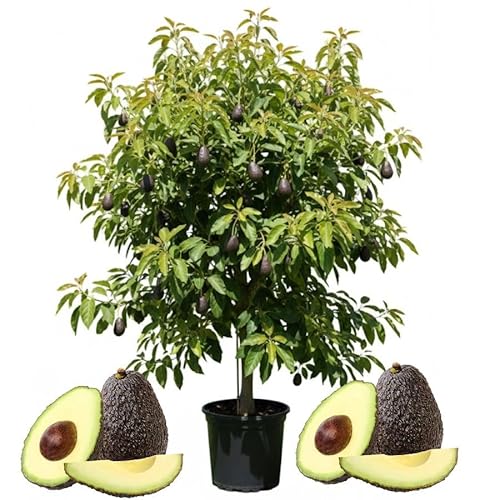
Hass Avocado Plant - 3 Gallon Size
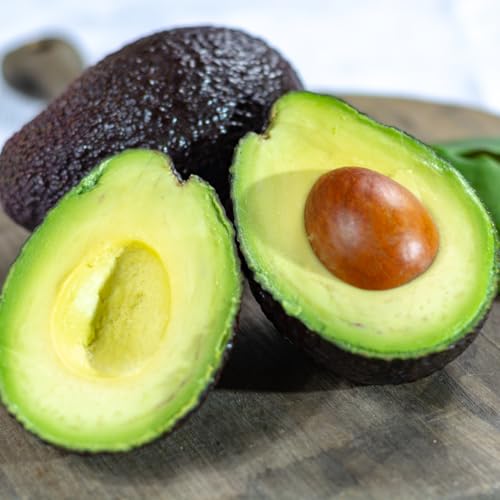
Avocado Tree Live Plant Up to 8 Months Old, 6-12 Inches Tall, Cold Hardy, Smooth and Sweet Tropical Fruit Trees for Zones 5-11
