

Do you ever wonder when’s the best time to spray your fruit trees for pests and diseases? You’re not alone. Many gardeners struggle with timing, and getting it right can make all the difference in your harvest.
Imagine nurturing your fruit trees all season long, only to find them plagued by bugs or blight just as the fruit starts to ripen. This article will guide you through the optimal spraying times and techniques, helping you protect your trees and enjoy a bountiful yield. By understanding when and how to spray, you’ll keep your trees healthy and your fruit delicious.
Key Takeaways
- Optimal Timing for Spraying: Early spring and late spring to early summer are crucial periods for spraying fruit trees to prevent pests and diseases effectively.
- Importance of Spraying: Regular spraying protects fruit trees from pests and diseases, ensuring healthier growth and improved fruit quality.
- Types of Sprays: Utilize both organic and chemical options based on pest types and severity, with organic products being safer for the environment.
- Signs to Spray: Look for visible pest damage, fungal infections, insect presence, and signs of unhealthy growth as indicators that spraying is necessary.
- Application Techniques: Employ proper spraying techniques for maximum coverage and effectiveness while minimizing impacts on beneficial insects.
Importance Of Spraying Fruit Trees
Spraying fruit trees plays a crucial role in maintaining their health and productivity. You protect trees from pests and diseases, ensuring robust growth and yielding quality fruit. Here are key reasons why spraying is essential:
Pest Control
- Prevent Infestations: Fungal spores, insects, and other pests threaten fruit trees. Spraying creates a barrier, deterring these harmful organisms.
- Targeted Solutions: Different pests require specific treatments. Utilizing the right pesticide for the pest type ensures effective control.
Disease Prevention
- Avoid Spread: Many diseases spread quickly among trees. Regular spraying minimizes their prevalence and stops the spread.
- Strengthen Health: Protecting against diseases allows trees to thrive, promoting healthier harvests.
Improved Yield Quality
- Enhance Quality: Healthy trees produce better quality fruit. Sprayed trees show improved size, flavor, and texture.
- Consistent Harvest: Regular spraying contributes to a more reliable yield each season.
Timing and Technique
- Follow Schedules: Timing matters. Spraying during the correct growth phases maximizes benefits. For example, spray during blooming and just after fruit set.
- Use Proper Methods: Applying sprays correctly ensures maximum coverage. Techniques include using a sprayer that evenly distributes the solution.
- Select Eco-Friendly Products: Opt for organic pesticides or natural solutions. They minimize harm to beneficial insects and the environment.
- Follow Guidelines: Adhere to recommended application rates to reduce negative impacts on the ecosystem.
By incorporating a well-structured spraying routine, you enhance the vitality of your fruit trees and enjoy bountiful harvests.
Best Times To Spray Fruit Trees
Timing plays a crucial role in the effectiveness of spraying fruit trees. Knowing when to spray can significantly impact your tree’s health and productivity.
Recommended Products
Controls a number of insects including Mites, Leaf Rollers, Armyworms and more. See label for more.

USE YEAR ROUND - Our 3-in-1 product provides year-round protection against insects, mites, and diseases. Can be used at the dormant stage, green tip stage, delayed dormant stage, and during the growing season to prevent pest infestations and disease.

Control diseases and insects in your garden with Captain Jack’s Fruit Tree Spray Concentrate! Use on a variety of listed fruits, nuts and citrus plants.
Early Spring Spraying
Early spring is the ideal time for your first spray. Apply treatments just before bud break, as pests and diseases may begin to emerge. By this time, trees are still dormant.
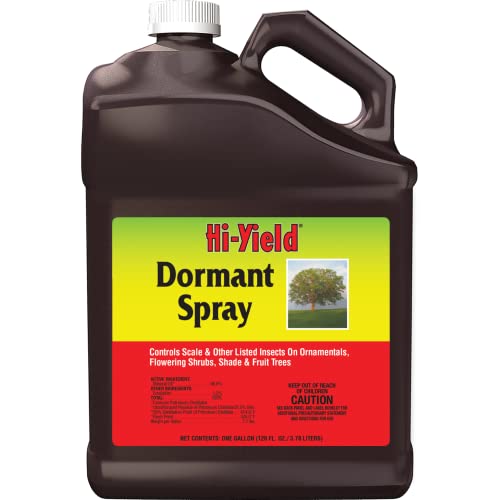
- Dormant Oil Applications: Use dormant oil sprays to suffocate overwintering pests like aphids and spider mites.
- Fungicide Treatments: Consider applying fungicides to prevent diseases such as powdery mildew and apple scab.
- Timing Tips: Aim to spray when temperatures are above freezing but below 60°F (15°C) for best results.
Late Spring to Early Summer Spraying
Late spring to early summer marks a critical phase for growth and pest management. Trees enter the blooming and fruit-setting stages, making this period ideal for ongoing protection.
- Insect Monitoring: Keep an eye on pest populations. Apply insecticides if damage levels reach threshold levels.
- Fungicide Renewals: Apply fungicides every few weeks to prevent new fungal infections.
- Specific Applications: Tailor products to target pests like codling moths and diseases associated with wet weather.
- Timing Tips: Spray in the early morning or late evening when bees are less active to protect pollinators.
By adjusting your spraying schedule based on these periods, you enhance your fruit trees’ defense against potential threats and promote vigorous growth.
Types Of Sprays For Fruit Trees
Understanding the types of sprays available for fruit trees enhances your ability to protect and nourish them effectively. Here are the main categories to consider.
Recommended Products

FUNGAL DISEASE CONTROL: Prevents and controls black spot on roses, powdery mildew, rust, downy mildew, and other listed fungal diseases when applied on a 7–14 day schedule

Protect your oasis with Captain Jack’s Neem Max Ready-to-Use Spray; this multipurpose product acts as a 4-in-1 insecticide, fungicide, miticide and nematicide

Protect your oasis with 3 garden products in 1 from Captain Jack’s; Captain Jack’s Ready-to-Use Neem Oil spray for plants is a multi-purpose fungicide, insecticide and miticide for your lawn and garden
Organic Options
Organic sprays are derived from natural sources and are safe for both the environment and beneficial insects. Key organic spray options include:
- Neem Oil: Effective against various pests like aphids and spider mites, neem oil disrupts their life cycle and prevents damage.
- Insecticidal Soap: This option targets soft-bodied insects, including whiteflies and mealybugs. It suffocates pests on contact, making it a safe choice for organic gardening.
- Boric Acid: Often used for fungal infections, boric acid can help combat mold and other diseases without harming beneficial insects.
- Essential Oils: Oils such as peppermint or clove can act as natural repellents against certain pests. Mix a few drops with water for a DIY solution.
Chemical Options
Chemical sprays offer targeted solutions for specific pest and disease problems. While effective, exercise caution when using them. Common chemical options include:
- Insecticides: Products containing pyrethroids offer fast-acting solutions against a variety of pests. Follow the manufacturer’s instructions carefully during application.
- Fungicides: Copper-based fungicides can help control fungal diseases. Apply these during the flowering stage for optimal protection.
- Systemic Insecticides: These chemicals penetrate the tree’s tissue and protect against pests like borers and beetles. Use sparingly, as they can affect beneficial organisms.
- Herbicides: For controlling unwanted weeds around fruit trees, herbicides can prevent competition for nutrients and water. Opt for selective herbicides to minimize harm to surrounding plants.
Choosing the right type of spray depends on your specific needs. Ensure you read any labels and apply sprays according to their recommended schedules for maximum effectiveness.
Signs That Indicate Spraying Is Necessary
Recognizing the signs that indicate spraying is necessary helps maintain the health of your fruit trees. Here are key indicators to look for:
Recommended Products

Control diseases and insects in your garden with Captain Jack’s Fruit Tree Spray Concentrate! Use on a variety of listed fruits, nuts and citrus plants.

APHID KILLER FOR GARDENS: This plant disease and bug control concentrate kills eggs, as well as larval and adult stages of insects; provides control of insect pests including aphids, mealybugs, mites, scales, whiteflies, beetles, and other listed pests

Protect your garden with Fruit Tree & Plant Guard Concentrate from Bonide! Fruit Tree & Plant Guard is effective in controlling a wide range of fungal diseases and insects.
Visible Pest Damage
- Chewed Leaves: Look for holes in the foliage, which suggest insect activity.
- Fruit Damage: Check for nibbled or distorted fruit, signaling potential pest infestations.
Fungal Infections
- Mildew or Mold: Noticeable white or gray patches on leaves often point to fungal issues.
- Black Spots: Dark spots on leaves can indicate diseases like black spot and require immediate attention.
Insect Presence
- Visible Insects: Seeing aphids, spider mites, or caterpillars on your trees signals pests are active.
- Honeydew: If you spot a sticky residue on leaves or underneath, it often results from aphid activity.
Discoloration or Wilting
- Yellowing Leaves: Leaves that turn yellow may indicate a nutrient deficiency or the incursion of pests.
- Wilting: Trees that show signs of wilting may be stressed due to insect damage or disease.
Unhealthy Growth
- Stunted Growth: Trees that aren’t growing as expected could be suffering from undetected pests or diseases.
- Abnormal Leaf Development: Leaves that appear twisted or misshapen are often a sign of stress caused by pests.
- Poor Fruit Set: Fewer fruits or small-sized fruits can indicate underlying pest or disease problems.
- Premature Drop: If fruits are falling from the trees too early, it may be time to spray.
By identifying these signs, you can take proactive steps to spray your fruit trees at the right time, improving their health and productivity. Regular monitoring ensures you catch issues early, allowing for timely intervention and optimal results.
Conclusion
Taking the right steps at the right time can make all the difference for your fruit trees. By staying vigilant and recognizing the signs that indicate when to spray you’ll not only protect your trees from pests and diseases but also enhance the quality of your harvest.
Remember to start your spraying routine early in the season and continue monitoring throughout the growing phases. Choosing the appropriate sprays—whether organic or chemical—based on your specific needs will help you maintain a healthy balance in your garden.
With a little care and attention your fruit trees can thrive and reward you with a bountiful harvest year after year. Happy gardening!
Frequently Asked Questions
When is the best time to spray fruit trees?
The best time to spray fruit trees is early spring, just before bud break. This is when you can use dormant oil to target overwintering pests and fungicides to prevent diseases.
How often should I spray my fruit trees?
Spraying frequency varies based on the specific needs of your trees and pest populations. Generally, monitor your trees regularly and spray during critical growth phases, especially late spring to early summer for ongoing protection.
What types of sprays are safe for fruit trees?
Safe options include organic sprays like neem oil, insecticidal soap, and essential oils. These are eco-friendly and protect beneficial insects. Always read labels and choose sprays that fit your gardening practices.
How can I tell if my fruit trees need spraying?
Look for visible signs like chewed leaves, fungal infections (e.g., mildew), and pest presence (e.g., aphids). Other indicators include wilting leaves, poor growth, and poor fruit set. Regular monitoring helps catch these issues early.
Why is spraying important for fruit trees?
Spraying helps control pests, prevent diseases, and improve fruit quality. It creates a protective barrier for your trees, promoting healthier growth and more abundant harvests. Proper timing and techniques maximize these benefits.
Can I use chemical sprays on my fruit trees?
Yes, chemical sprays like insecticides and fungicides can be effective. However, they require careful application to avoid harming beneficial organisms. Always follow guidelines for safe and responsible use.
