

Have you ever looked at your fruit tree and wondered why it’s not producing as much fruit as it should? You’re not alone. Many gardeners face this issue, but the secret often lies in proper pruning. It’s a simple yet powerful technique that can transform your tree’s health and productivity.
Key Takeaways
- Importance of Pruning: Pruning enhances the health and productivity of fruit trees by improving shape, encouraging new growth, and ensuring better airflow and light penetration.
- Optimal Timing: The best time to prune is in late winter during dormancy, or after harvesting for summer-flowering trees to promote healthy new growth.
- Essential Tools: Use appropriate tools like pruning shears for small branches, loppers for medium-sized, and pruning saws for larger branches to achieve clean cuts.
- Effective Techniques: Employ techniques such as thinning, heading back, and shaping to improve air circulation, encourage bushier growth, and maintain desired tree structure.
- Common Mistakes: Avoid over-pruning, neglecting tree health assessments, and using dirty tools to ensure your pruning efforts are effective and do not stress the tree.
- Regular Maintenance: Schedule consistent light pruning sessions to keep fruit trees healthy and manageable, preventing the need for drastic cuts later.
Understanding The Importance Of Pruning
Pruning fruit trees plays a vital role in their health and productivity. Proper pruning helps manage the tree’s shape, encourages new growth, and increases fruit production. Pruning also enhances air circulation and light penetration, both crucial for fruit development.
Benefits Of Pruning
- Enhances Fruit Quality: Pruning facilitates the growth of larger, healthier fruits by allowing better nutrient distribution.
- Promotes Airflow: Improved airflow reduces the risk of disease by minimizing moisture buildup in dense foliage.
- Encourages New Growth: Regular pruning encourages the formation of new branches, leading to more fruit-bearing wood.
- Maintains Tree Structure: Pruning shapes the tree, preventing it from becoming overgrown and unmanageable.
Best Times To Prune
- Late Winter: Prune during late winter when the tree is dormant. This minimizes stress and encourages spring growth.
- After Harvest: Consider pruning after fruit harvest to remove any dead or diseased wood.
- Pruning Shears: Use for small branches to ensure clean cuts.
- Loppers: Suitable for medium-sized branches, providing more leverage.
- Pruning Saw: Necessary for removing larger branches, allowing for precise cutting.
Understanding these essential aspects of pruning will enhance your gardening experience and lead to more fruitful outcomes.
Timing Your Pruning
Timing is crucial for effective pruning of fruit trees. Proper timing helps the tree recover and promotes healthy growth.
Recommended Products

✂Multifunctional -2 in 1 Garden Grafting Tools-Professional grafting set allows you to pruning and grafting at the same time, saving more time and effort than traditional grafting methods, easy to use and more efficient. It allows you to trim away excess leaves and twigs and prepare the plants to be grafted. At the same time, you can make a precise cut into the grafting stock with the special grafting blade.

LONG-LASTING SHARPNESS: Japanese SK5 bypass blade with titanium coating is tested through 5,000 cuts to maintain a sharp edge and deliver clean, consistent cuts on live stems and branches

CLEAN CUTS FOR LIVE GROWTH: Bypass blade design is ideal for pruning delicate flower stems and green growth, helping reduce crushing and plant damage while cutting stems and small branches up to 5/8” in diameter
Seasonal Considerations
Prune during the dormant season, typically in late winter but before bud break. This timing minimizes stress on the tree and encourages new growth in spring. For summer-fruiting trees, prune after harvest to remove any dead or diseased wood. For spring-flowering trees, prune immediately after flowering to avoid cutting off next year’s blooms.
Weather Conditions
Choose a dry day for pruning, as wet conditions increase the risk of disease. Avoid pruning during extreme cold or hot temperatures. Aim for moderate temperatures to reduce shock and promote healthier recovery. If recent storms have caused damage, inspect and prune any broken branches safely, keeping the weather in mind to avoid further stress on the tree.
Tools And Techniques For Pruning
Proper tools and techniques enhance your pruning efforts for fruit trees, ensuring healthy growth and increased fruit production.
Recommended Products

IDEAL BRANCH TRIMMER: 28" Steel blade garden bypass lopper that glides through up to 1.5" thick branches for easy cuts; Works well for trimming tree branches to maintain your yard and garden, and to encourage overall plant health and appearance

IDEAL BRANCH TRIMMER: Fiskars 28-Inch Power-Lever Bypass Garden Lopper glides through branches up to 1.75" thick for easy cuts; Works well for trimming tree branches to maintain your yard and garden and encourage overall plant health and appearance
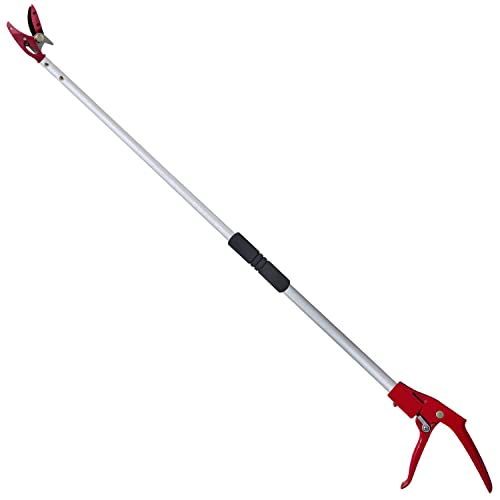
Professional long reach pruners, super lightweight but effective tree trimmer with 4 foot alloy aluminum pole, sturdy and quality construction, ideal for pruning on live branches, small trees, high thin stems and overgrown plants, even picking fruit, without having to bend and kneel, without climbing a ladder, easy low cut or reaching into dense/prickly bushes
Essential Pruning Tools
Using the right pruning tools makes a significant difference. Here’s a list of essential tools you’ll need:
- Pruning Shears: Ideal for cutting small branches up to ¾ inch thick. Look for sharp, bypass pruners to make clean cuts.
- Loppers: Useful for medium branches ranging from ¾ inch to 2 inches thick. Choose loppers with longer handles for added leverage.
- Pruning Saw: Perfect for larger branches over 2 inches thick. A folding saw can provide portability and ease of storage.
- Hedge Shears: While not essential for all fruit trees, they help shape larger shrubs and manage excessive growth.
- Garden Gloves: Protect your hands from thorns and splinters.
- Safety Glasses: Use these to shield your eyes from falling debris while pruning.
Pruning Techniques
Adopting effective pruning techniques enhances your tree’s structure and productivity. Follow these guidelines:
- Thinning: Remove selected branches to improve air circulation. Focus on branches that cross or rub against each other. This technique helps light reach more parts of the tree.
- Heading Back: Cut back long branches to encourage bushier growth. Make cuts just above a bud or leaf node to promote new shoots.
- Renewal Pruning: Gradually remove old wood to stimulate new growth. This technique is especially useful for older, overgrown trees.
- Maintenance Pruning: Regularly check your tree for dead, damaged, or diseased branches. Removing these improves the overall health of the tree.
- Shaping: Maintain the desired shape of your tree. Aim for an open center to allow sunlight and air to penetrate well.
Using these tools and techniques effectively ensures your fruit tree thrives, leading to better yields and healthier growth.
Steps To Prune A Fruit Tree
Pruning a fruit tree involves careful assessment and precise cutting techniques. Follow these steps for effective pruning that promotes healthy growth and fruit production.
Assessing The Tree
- Inspect Overall Health: Check the tree for signs of disease or damage. Look for dead branches, discolored leaves, or pest infestations.
- Identify Branch Types: Differentiate between strong, healthy branches and weak or crossing ones. Focus on branches that obstruct light or airflow.
- Evaluate Shape and Structure: Visualize the desired shape. Aim for an open center to allow sunlight to penetrate and air to circulate.
- Determine Timing: Choose the right time. Late winter is ideal for most fruit trees. For summer-bearing varieties, prune after harvesting.
- Use Proper Tools: Grab your pruning shears, loppers, and saws as needed. Ensure they’re clean and sharp to make smooth cuts.
- Start with Dead or Diseased Wood: Remove any branches that show signs of illness or damage first. Cut back to healthy tissue.
- Thin Crowded Areas: Cut back branches that compete for space. Remove about one-third of the growth to promote airflow and reduce disease risk.
- Shape the Tree: Trim back excessively long branches to encourage new growth and maintain your tree’s shape. Cut just above a node or healthy bud.
- Avoid Over-Pruning: Don’t remove more than 20-30% of the tree in a single season. Over-pruning can stress the tree and reduce fruit yield.
Following these steps ensures your fruit trees remain healthy and productive. Adjust your approach based on the type of tree and its specific needs for the best results.
Common Mistakes To Avoid
- Pruning at the Wrong Time
Pruning during the wrong season can damage your tree. Avoid winter pruning for spring-flowering varieties since it may cut off the blooms. - Ignoring Tree Health
Failing to assess tree health leads to missed issues. Check for signs of disease or damage before starting. - Over-Pruning
Cutting back too much can stress the tree. Limit pruning to 20-30% of the tree’s canopy each year to maintain health and productivity. - Neglecting to Sanitize Tools
Using dirty tools spreads disease. Clean your pruning shears with rubbing alcohol or a bleach solution between cuts. - Unbalanced Shaping
Pruning unevenly can result in lopsided growth. Make sure to maintain a balanced shape by considering the tree’s natural form. - Forgetting to Remove Suckers
Allowing suckers to grow drains energy from the tree. Remove unwanted shoots at the base for improved growth and fruit production. - Failing to Assess Branch Placement
Not considering the spacing between branches can lead to overcrowding. Ensure proper air circulation by removing branches that crisscross or are too close together. - Skipping Regular Maintenance
Ignoring regular pruning sessions causes more drastic cuts later. Schedule light pruning yearly to keep your tree healthy. - Using Improper Tools
Using the wrong tools can harm the tree. Invest in sharp, high-quality pruning shears, loppers, and saws designed for the task. - Overlooking Safety Precautions
Neglecting safety measures results in injury. Always wear gloves and safety goggles, especially when working with power tools.
Conclusion
Pruning your fruit trees is a rewarding practice that can lead to healthier plants and bountiful harvests. By following the right techniques and timing you’ll create an environment where your trees can thrive. Remember to keep an eye on their health and avoid common mistakes to ensure they stay strong and productive.
With patience and care your efforts will pay off in delicious fruits you can enjoy. So grab your tools and get started on this essential gardening task. Happy pruning!
Frequently Asked Questions
What causes fruit trees to underproduce?
Fruit trees may underproduce due to various factors, including poor pruning practices, inadequate sunlight, insufficient water or nutrients, pest infestations, and improper tree health management.
Why is pruning important for fruit trees?
Pruning is essential as it improves fruit quality, enhances airflow to reduce disease risk, encourages new growth, and maintains overall tree structure, leading to better productivity and healthier fruit trees.
When is the best time to prune fruit trees?
The best time to prune fruit trees is in late winter when the tree is dormant, and after harvest for summer-fruiting trees, ensuring minimal stress to the tree.
What tools do I need for pruning fruit trees?
Essential tools for pruning include pruning shears, loppers, and pruning saws. These tools help effectively manage different branch sizes and ensure a clean cut.
What common mistakes should I avoid while pruning?
Avoid pruning at the wrong time, over-pruning, neglecting to assess tree health, not sanitizing tools, and creating unbalanced shapes. These mistakes can negatively impact tree productivity.
How can I assess the health of my fruit tree before pruning?
Check for signs of disease, pest damage, dead or diseased branches, and overall tree vigor. A healthy tree shows new growth and strong branch structure, indicating it can handle pruning.
What should I do after pruning my fruit trees?
After pruning, clean your tools to prevent disease transmission, monitor your tree’s health for any signs of stress, and provide appropriate care such as watering and fertilizing if needed.
