Close Menu
    Fruit Tree Hub
    • Home
    • Apple Trees
    • Lemon Trees
    • Mango Trees
    • Orange Trees
    • More Trees
      • Best Fruit Trees
      • Apricot Trees
      • Cherry Trees
      • Fig Trees
      • Lime Trees
      • Mulberry Trees
      • Peach Trees
      • Pear Trees
      • Plum Trees
      • Pomegranate Trees
    • Tips and Advice
      • Tools
    • About Us
      • Contact
      • Privacy Policy
    Fruit Tree Hub
    Home»Fruit Trees»Olive Trees»Is Olive Wood Sustainable for Furniture
    Olive Trees

    Is Olive Wood Sustainable for Furniture

    Lucy SmithBy Lucy SmithJanuary 18, 20244 Mins Read
    Share Facebook Twitter Pinterest WhatsApp Email
    sustainability of olive wood
    Share
    Facebook Twitter LinkedIn Pinterest Telegram Email

    If you're thinking about getting an olive wood dining table for your home, you might be wondering if it's a sustainable choice. As more people look for eco-friendly furniture, it's important to know the environmental impact of different materials.

    Contents show
    1 Key Takeaways
    2 Olive Wood: Source and Sustainability
    3 Environmental Impact of Olive Wood Furniture
    4 Longevity and Durability of Olive Wood
    5 Harvesting Practices and Regulations
    6 Comparing Olive Wood Sustainability to Other Wood Types
    7 Conclusion

    Let's take a closer look at olive wood and its suitability for making furniture. We'll explore where it comes from and the rules around harvesting it.

    Key Takeaways

    • Olive wood is a sustainable choice for furniture due to its ethical sourcing practices and repurposing of non-productive trees.
    • Olive wood furniture has a minimal environmental impact, with lower emissions during production and reduced waste due to its durability.
    • The longevity and durability of olive wood furniture make it a long-lasting and eco-conscious option for sustainable interior design.
    • Harvesting practices and regulations ensure the health of olive groves and the long-term sustainability of olive wood resources.

    Olive Wood: Source and Sustainability

    When considering the source and sustainability of olive wood, it's important to understand its impact on the environment and the long-term viability of its production.

    Olive wood is primarily sourced from olive trees that no longer bear fruit, making it a sustainable and eco-friendly choice for furniture. Ethical sourcing practices ensure that the wood is harvested in a way that promotes the health and growth of olive tree populations. By utilizing wood from non-productive trees, the ecological balance of olive groves is maintained.

    MUST READ
    Can Olive Trees Grow in Cold Climates

    This approach also reduces waste and supports the circular economy by repurposing a natural byproduct of olive cultivation. Choosing olive wood furniture crafted from ethically sourced materials not only adds a touch of natural beauty to your home but also aligns with environmentally conscious consumer choices.

    Environmental Impact of Olive Wood Furniture

    Considering the environmental impact of olive wood furniture, it's essential to understand its contribution to sustainable practices and the preservation of natural resources.

    When it comes to the carbon footprint, production of olive wood furniture involves minimal processing, leading to lower emissions compared to other materials.

    The eco-friendly nature of olive wood furniture also lies in its durability, which reduces the need for frequent replacements and minimizes waste.

    Additionally, the use of olive wood provides an alternative to other more resource-intensive woods, promoting sustainable forestry practices.

    Moreover, the longevity of olive wood furniture means less consumption and disposal, further lessening its environmental impact.

    These factors collectively position olive wood furniture as a viable and eco-conscious choice for sustainable interior design.

    Recommended Products
    Rubio Monocoat Wood Stain & Finish 650 ft² - Olive | Oil Plus 2C | Quick-Dry, Eco-Friendly Linseed Wood Oil for Indoor Use, Includes Accelerator (Part B) | Protector | 1.3 L
    Rubio Monocoat Wood Stain & Finish 650 ft² - Olive | Oil Plus 2C | Quick-Dry, Eco-Friendly Linseed Wood Oil for Indoor Use, Includes Accelerator (Part B) | Protector | 1.3 L

    ONE LAYER APPLICATION: Protect & color your interior wood with just 1 layer of our hard wax oil; ideal for efficient wood treatment & timely repairs or renovations; hard wearing to protect high traffic areas such as living room floors & hallways

    VIEW LATEST PRICE

    As an affiliate, we earn on qualifying purchases.

    MUST READ
    How to Identify Different Olive Tree Varieties
    Country Chic All-in-One Chalk Paint for Furniture, Cabinets, Home Decor, Eco-Friendly, Matte Finish, Built-In Primer & Top Coat for Wood, Metal - Neverland (Olive Green) - Pint 16 oz (475 ml)
    Country Chic All-in-One Chalk Paint for Furniture, Cabinets, Home Decor, Eco-Friendly, Matte Finish, Built-In Primer & Top Coat for Wood, Metal - Neverland (Olive Green) - Pint 16 oz (475 ml)

    All-in-One Formula: This furniture paint includes a built-in primer and top coat, providing seamless application on wood, metal, laminate, and more surfaces for a hassle-free painting experience.

    VIEW LATEST PRICE

    As an affiliate, we earn on qualifying purchases.

    Rubio Monocoat Wood Stain & Finish Sample | Oil Plus Part A | Quick-Dry, Eco-Friendly Linseed Wood Oil for Indoor Use | Ideal for Sampling Oil Plus 2C & Touch Ups | Olive, 20 mL
    Rubio Monocoat Wood Stain & Finish Sample | Oil Plus Part A | Quick-Dry, Eco-Friendly Linseed Wood Oil for Indoor Use | Ideal for Sampling Oil Plus 2C & Touch Ups | Olive, 20 mL

    ONE LAYER APPLICATION: Test the simple 1 layer application process to protect & color your interior wood with our hard wax oil; ideal for efficient wood treatment & timely repairs or renovations; hard wearing to protect high traffic areas such as living room floors & hallways

    VIEW LATEST PRICE

    As an affiliate, we earn on qualifying purchases.

    Longevity and Durability of Olive Wood

    The longevity and durability of olive wood furniture make it a compelling choice for sustainable interior design, offering both aesthetic appeal and environmental benefits.

    Olive wood is renowned for its exceptional longevity, often lasting for generations with proper care. Its dense and strong nature contributes to its durability, making it resistant to wear and tear.

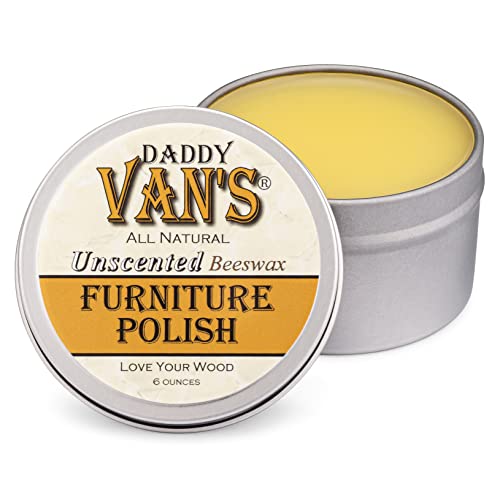
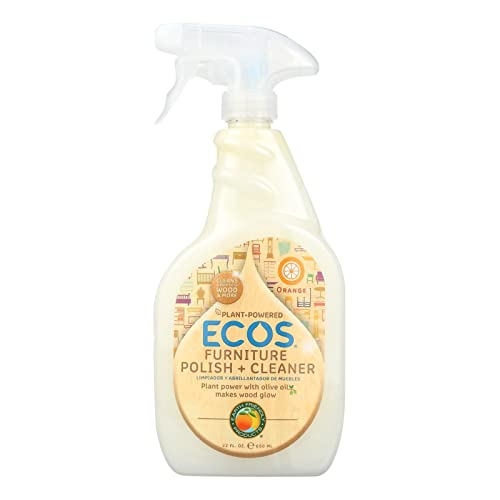
    With minimal maintenance requirements, such as periodic oiling to preserve its natural luster and prevent drying, olive wood furniture can maintain its beauty for many years. Its resilience to moisture and pests further enhances its longevity, ensuring that it remains a timeless and sustainable choice for furniture.

    MUST READ
    How Olive Trees Benefit Local Ecosystems

    Recommended Products

    Pledge Moisturizing Wood Oil, Furniture Reviving and Protecting Conditioner and Dusting Spray, Revitalizes Wood, Sealed Leather and Laminate, Made with Mineral Oils - Amber & Argan Scent, 9.7oz
    Pledge Moisturizing Wood Oil, Furniture Reviving and Protecting Conditioner and Dusting Spray, Revitalizes Wood, Sealed Leather and Laminate, Made with Mineral Oils - Amber & Argan Scent, 9.7oz

    Pledge Wood Oil conditions and protects the appearance of wood & leather furniture

    VIEW LATEST PRICE

    As an affiliate, we earn on qualifying purchases.

    Natchez Solution Complete Furniture Care: All Natural Wood Cleaner and Polish- Replenishes and Restores Wooden Furniture (8 oz)
    Natchez Solution Complete Furniture Care: All Natural Wood Cleaner and Polish- Replenishes and Restores Wooden Furniture (8 oz)

    Hypoallergenic & safe

    VIEW LATEST PRICE

    As an affiliate, we earn on qualifying purchases.

    Guardsman Revitalizing Lemon Oil | Teak Oil Protects and Cleans Outdoor and Indoor Wood Furniture, Lemon Scent, 16 Fluid Ounces
    Guardsman Revitalizing Lemon Oil | Teak Oil Protects and Cleans Outdoor and Indoor Wood Furniture, Lemon Scent, 16 Fluid Ounces

    Indoor and outdoor furniture cleaner protects, restores, and gently cleans away built-up surface grime and residue; use on your teak outdoor furniture and other fine wood furniture to prevent drying, warping, splitting, as well as fading and discoloration

    VIEW LATEST PRICE

    As an affiliate, we earn on qualifying purchases.

    Harvesting Practices and Regulations

    With its exceptional longevity and durability in mind, it's important to understand the harvesting practices and regulations that ensure the sustainability of olive wood furniture.

    • Harvesting Practices:
    • Olive wood is typically harvested from pruned branches and trees that no longer produce fruit, ensuring minimal impact on olive orchards.
    • Sustainable harvesting methods involve careful selection of trees and branches to maintain the health of the olive groves.
    • Sustainability Regulations:
    • Many olive wood harvesting operations adhere to strict regulations to protect the environment and ensure the long-term sustainability of olive wood resources.
    • Some regions have specific laws in place to control the harvesting and export of olive wood, preventing overexploitation and illegal logging.
    MUST READ
    How to Prune Olive Trees Effectively

    Understanding these harvesting practices and regulations is crucial in ensuring that the production of olive wood furniture remains environmentally sustainable.

    Comparing Olive Wood Sustainability to Other Wood Types

    In evaluating the sustainability of olive wood furniture in comparison to other wood types, it becomes evident that its unique harvest practices and regulations set it apart. When comparing olive wood to other common wood types, such as oak, pine, teak, and mahogany, its environmental benefits become clear.

    Wood TypeSustainabilityEnvironmental Benefits
    Olive WoodHighDrought-resistant trees, limited water usage, no chemical treatments
    OakModerateSlow growth, high water usage, often treated with chemicals
    PineLowFast growth, high water usage, often sourced from unsustainable forests
    TeakModerateSlow growth, high water usage, vulnerable to deforestation
    MahoganyLowSlow growth, high water usage, vulnerable to deforestation

    Olive wood stands out due to its drought-resistant nature, limited water usage, and absence of chemical treatments, making it a sustainable and eco-friendly choice for furniture.

    Conclusion

    Considering its renewable source, minimal environmental impact, and long-lasting durability, olive wood emerges as a responsible choice for furniture.

    With regulated harvesting practices, it stands out as an eco-friendly option.

    Next time you shop for furniture, reflect on the positive impact olive wood can have on the environment.

    Share. Facebook Twitter Pinterest LinkedIn Tumblr Email
    lucy smith
    Lucy Smith
    • Website

    Lucy Smith is a highly experienced horticulturist with a passion for fruit tree cultivation. She holds a degree in Horticulture from the University of California, Davis, and has worked in various roles in the industry. With over 10 years of experience, Lucy is dedicated to using eco-friendly methods for sustainable gardening practices.

    Related Posts

    Why Do Olive Trees Symbolize Peace

    January 20, 2024

    Can Olive Trees Adapt to Climate Change

    January 20, 2024

    Creating a Wildlife Habitat With Olive Trees

    January 20, 2024

    Where Are Olive Trees Considered Invasive

    January 20, 2024

    Is Olive Tree Pollen Allergenic

    January 20, 2024

    Can Olive Trees Be Used in Traditional Remedies

    January 20, 2024
    Leave A Reply Cancel Reply

    Affiliate Disclosure

    As an Amazon Associate I earn from qualifying purchases.

    Recommended Reading

    Peach Trees in Washington (PNW Success and Harvest Tips)

    How Do Nectarine Trees Root: Unveiling Growth Secrets and Care Tips

    How to Get Rid of White Fly on Fruit Trees: Effective Strategies for Healthy Harvests

    Growing Cherry Trees in San Jose, CA: Silicon Valley Advice

    How Old is an Olive Tree Before It Bears Fruit and What You Need to Know for Success

    Do Peach Tree Flowers Turn Into Fruit – Understanding the Pollination and Growth Process

    Optimizing Nectarine Tree Fruit Yields: Proven Strategies and Care Tips

    Efficient Ways to Store Red Grapes for Freshness and Flavor Boost

    Best Fruit Trees for Idaho: A Guide to Thriving in Idaho’s Unique Climate

    Best Fruit Trees for Landscaping: Transform Your Backyard Into a Fruitful Oasis

    Fruit Tree Hub

    Fruit Tree Hub is a website dedicated to providing you everything you need to grow fruit trees successfully at in your own yard.

    Contact us at: [email protected]

    - AFFILIATE DISCLOSURE: As an Amazon Associate I earn from qualifying purchases.

    Latest Posts

    Orange Trees in a Pot in Maryland: Mid-Atlantic Growth Secrets

    How to Grow Guava Trees in Las Vegas, NV: Desert Growth

    Can Guava Trees Grow in Atlanta, GA? Southern Growth Manual

    Orange Trees in a Pot in New York City, NY: Rooftop Garden Tips

    Walnut Trees in Wisconsin (Successful Midwestern Growth)

    Can Plum Trees Grow in New Jersey? Garden State Growth Tips

    Walnut Trees in a Pot in New Jersey (Garden State Potting Guide)

    Nectarine Trees in Tennessee: Volunteer State Planting Secrets

    Categories
    • Almond Trees
    • Apple Trees
    • Apricot Trees
    • Best Fruit Trees
    • Blackberry
    • Cantaloupe
    • Cherry Trees
    • Crochet Ideas
    • Crochet Ideas for Beginners
    • Cucamelon
    • Easy Crochet Ideas
    • Easy Knitting Projects
    • Fig Trees
    • Grapefruit Trees
    • Grapes
    • Guava Trees
    • Honeydew
    • Jujube Trees
    • Kiwi
    • Knitting For Beginners
    • Knitting Ideas
    • Knitting Inspiration
    • Lemon Trees
    • Lime Trees
    • Loquat Trees
    • Mango Trees
    • Mulberry Trees
    • Nectarine Trees
    • Olive Trees
    • Orange Trees
    • Papaya Trees
    • Peach Trees
    • Pear Trees
    • Persimmon Trees
    • Planting
    • Plum Trees
    • Pomegranate Trees
    • Quince Trees
    • Raspberry
    • Reviews
    • Small Crochet Ideas
    • Star Fruit Trees
    • Summer Crochet Ideas
    • Tamarind Trees
    • Tangerine Trees
    • Tips and Advice
    • Tools
    • Uncategorized
    • Walnut Trees
    © 2026 Fruit Tree Hub
    • Home
    • About Us
    • Contact
    • Privacy Policy
    • Terms and Conditions
    • Disclaimer
    • Editorial Policy
    • Affiliate Disclosure

    Type above and press Enter to search. Press Esc to cancel.