

Do you find yourself worrying about the health of your grapefruit tree? Picture this: you’re standing in your backyard, looking at the once vibrant tree that now seems to be struggling. You’re not alone in facing this challenge. But fret not, as we’ve got your back!
Key Takeaways
- Yellowing leaves, stunted growth, wilting foliage, sparse fruiting, bark damage, root problems, and pest infestation are signs of a dying grapefruit tree.
- Common causes of a dying grapefruit tree include poor soil conditions, improper watering, temperature stress, lack of sunlight, pest infestation, and diseases.
- Steps to revive a dying grapefruit tree involve assessing the root system, evaluating soil conditions, adjusting watering practices, providing adequate sunlight, addressing nutrient deficiencies, combating pest infestation, monitoring for diseases, mulching, and protecting the tree.
- Maintenance tips to prevent future decline include proper watering techniques, nutrient-rich soil, sunlight exposure, pest management, disease prevention, and regular pruning.
Signs of a Dying Grapefruit Tree
Spotting signs of a struggling grapefruit tree early on is crucial for reviving its health and vigor. Here are key indicators that your grapefruit tree may be in distress:
- Yellowing Leaves: When you notice the leaves turning yellow and dropping off, it’s a red flag that your grapefruit tree might be facing issues. Keep an eye on the color of the leaves as they can provide essential clues about the tree’s health.
- Stunted Growth: If your grapefruit tree is not showing signs of new growth or the growth appears stunted compared to previous seasons, it could indicate underlying problems. Healthy trees usually exhibit steady growth patterns, so any deviation is cause for concern.
- Wilting or Drooping Foliage: Drooping or wilting foliage is a clear indicator of distress. If your grapefruit tree’s branches and leaves appear limp or lack their usual turgidity, it may be struggling to absorb nutrients or water effectively.
- Sparse Fruiting: A decline in fruit production or sparse fruiting compared to previous years is a sign that your grapefruit tree is not thriving. Fruit production is often a good indicator of the overall health of the tree.
- Bark Damage or Discoloration: Damage to the bark or unusual discoloration, such as dark patches or oozing sap, can signify disease or pest infestation impacting the tree’s health. Inspect the bark regularly as part of your tree maintenance routine.
- Root Problems: Issues with the root system, such as root rot or inadequate root development, can severely affect the tree’s ability to uptake water and nutrients. Signs of root issues may include mushy roots, lack of new root growth, or soil erosion around the base of the tree.
- Pest Infestation: Presence of pests like aphids, scales, or mites on the leaves or branches can weaken the grapefruit tree’s defense mechanisms, making it susceptible to diseases and nutrient deficiencies. Keep an eye out for any unusual insect activity.
By being vigilant and recognizing these signs early on, you can take proactive steps to address the underlying causes of your grapefruit tree’s decline and implement appropriate measures to help it recover.
Recommended Products

3-in-1 FORMULA: Aphid spray for outdoor plants for use on roses, flowers, shrubs and trees to control listed insects, disease and mites

3-IN-1 PLANT CARE: 3-In-1 Insect, Disease & Plant Mite Control provides insect control, disease control, and plant mite control all in one; Rainproof protection starts in 4 hours and lasts up to 14 days

PLANT DISEASE CONTROL: Natria Neem Oil acts as an insecticide and fungicide in one convenient spray; Ready-to-use trigger sprayer requires no mixing
Understanding the Causes of a Dying Grapefruit Tree
Recognizing the underlying issues causing your grapefruit tree to struggle is crucial for its revival. Understanding the potential reasons behind its decline can help you take appropriate action to restore its health. Here are some common causes of a dying grapefruit tree:
- Poor Soil Conditions: Inadequate soil quality can greatly impact the health of your tree. Soil that is compacted, poorly drained, or lacking essential nutrients can lead to nutrient deficiencies in the tree, hampering its growth and fruit production.
- Improper Watering: Overwatering or underwatering can both spell trouble for your grapefruit tree. Too much water can suffocate the roots, leading to root rot, while insufficient water can cause the tree to wilt and its leaves to yellow.
- Temperature Stress: Grapefruit trees are sensitive to extreme temperatures. Prolonged exposure to very high or low temperatures can weaken the tree and make it more susceptible to diseases and pests.
- Lack of Sunlight: Grapefruit trees require ample sunlight to thrive. If your tree is not getting enough sunlight due to shade from surrounding structures or trees, it may struggle to photosynthesize effectively, impacting its overall health.
- Pest Infestation: Common pests like aphids, mites, or scale insects can infest grapefruit trees, causing damage to leaves, buds, and fruit. Identifying and addressing pest issues promptly is essential to prevent further damage.
- Disease: Fungal infections or bacterial diseases can also contribute to the decline of a grapefruit tree. Symptoms such as leaf spots, cankers, or unusual growths should be addressed promptly to prevent the spread of disease.
Understanding these potential causes of distress in your grapefruit tree can guide you in pinpointing the specific issues affecting your tree’s health. By identifying and addressing these factors, you can take steps to revive your dying grapefruit tree and help it flourish once again.
Steps to Revive a Dying Grapefruit Tree
When reviving a dying grapefruit tree, it’s crucial to act promptly to give it the best chance of recovery. Here are the steps you can follow to help your tree regain its health and vitality:
Recommended Products

KNOW BEFORE YOU GROW | Grow the healthiest, sustainable lawn and garden with the most accurate and easy to use professional soil test kit on the market

Accurate Soil pH Testing: Dewildetradingco Soil pH Test Strips offer measurements of soil pH levels (pH 3.5-9). As an essential tool for every gardener and grower, these test strips help determine the optimal pH for various plants, such as outdoor plants, indoor plants, gardens, grass lawns, fruit trees, flowers, vegetables, and forest shrubs.

Kindly NOTE: This soil tester can not be applied to test pH value of any other liquid. If the soil is too dry the indicator will not move, and water it before testing.
1. Assess the Root System
- Check the root system for signs of rot, damage, or poor growth.
- Trim any unhealthy or decaying roots to promote new growth.
2. Evaluate Soil Conditions
- Test the soil pH levels to ensure they are optimal for grapefruit tree growth.
- Improve soil drainage if necessary to prevent waterlogging.
3. Adjust Watering Practices
- Water the tree deeply but infrequently to encourage deep root growth.
- Avoid overwatering, as it can lead to root rot and other issues.
4. Provide Adequate Sunlight
- Ensure your grapefruit tree receives sufficient sunlight for healthy photosynthesis.
- Prune surrounding trees or structures that may be blocking sunlight.
5. Address Nutrient Deficiencies
- Apply a balanced fertilizer specifically formulated for citrus trees.
- Monitor the tree for signs of nutrient deficiencies and adjust fertilizer accordingly.
6. Combat Pest Infestation
- Inspect the tree regularly for pest presence such as aphids, scale insects, or mites.
- Use organic pest control methods or insecticidal soap to eliminate pests.
7. Monitor for Diseases
- Look for symptoms of fungal or bacterial diseases such as leaf spots or powdery mildew.
- Treat any identified diseases promptly with appropriate fungicides.
8. Mulch and Protect
- Apply a layer of organic mulch around the base of the tree to retain moisture and regulate soil temperature.
- Protect the tree from extreme weather conditions or frost to prevent stress.
- Be consistent with your care routine by watering, fertilizing, and monitoring the tree regularly.
- Stay observant of any changes in the tree’s health and address issues promptly.
By following these steps and providing the necessary care and attention, you can help revive your dying grapefruit tree and promote its growth and productivity.
Maintenance Tips to Prevent Future Decline
In maintaining the health of your grapefruit tree and preventing future decline, following these essential tips is crucial. Consistent care and attention are key to ensuring your tree’s growth and productivity.
Recommended Products

CITRUS PLANT FOOD: This avacado, mango and citrus fruit tree fertilizer feeds plants for up to 3 months and nourishes above and below the soil
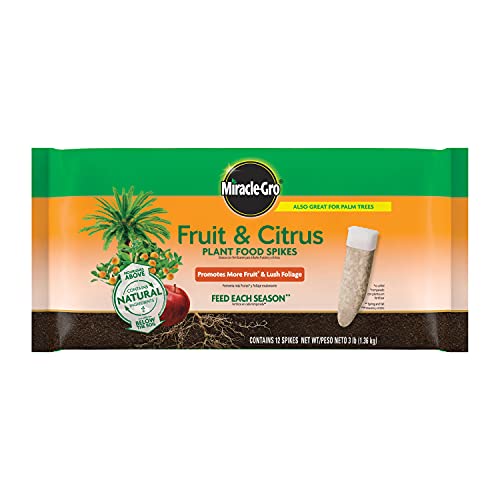
FORMULATED FOR CITRUS AND FRUIT TREES: Use these citrus fertilizer spikes on apple, orange, lemon, lime, and avocado trees; this formula is also great for feeding palm trees

Balanced Organic Nutrition – Supplies a 6‑3‑3 NPK ratio along with calcium, sulfur, iron, and zinc to foster healthy foliage, flowering, and fruit.
1. Proper Watering Techniques
*Ensure your grapefruit tree receives sufficient water, especially during dry spells. *Overwatering can lead to root rot, while underwatering can stress the tree. *Monitor soil moisture levels and adjust watering frequency accordingly. *Aim for deep, infrequent watering to encourage deep root growth.
2. Nutrient-Rich Soil
*Regularly test your soil to determine its nutrient levels. *Fertilize your grapefruit tree with a balanced fertilizer as needed. *Pay attention to the specific nutrient requirements of citrus trees. *Mulch around the base of the tree to retain moisture and provide additional nutrients.
3. Sunlight Exposure
*Ensure your grapefruit tree receives adequate sunlight for optimal growth. *Position the tree in a location where it can receive at least 6-8 hours of sunlight daily. *Prune surrounding vegetation to prevent shading of the tree.
4. Pest Management
*Regularly inspect your grapefruit tree for signs of pest infestation. *Use organic pest control methods whenever possible to avoid harming beneficial insects. *Consider introducing natural predators to control pest populations. *Maintain a clean and tidy garden to reduce pest habitat.
5. Disease Prevention
*Monitor your grapefruit tree for any signs of disease, such as leaf discoloration or unusual growths. *Practice good hygiene by removing and disposing of any infected plant material. *Consider using disease-resistant grapefruit tree varieties. *Avoid overhead watering to reduce the spread of fungal diseases.
6. Regular Pruning
*Prune your grapefruit tree regularly to remove dead or diseased branches. *Promote airflow within the canopy to reduce the risk of fungal infections. *Prune to maintain the tree’s shape and size for optimal fruit production. *Sterilize your pruning tools between cuts to prevent the spread of disease.
Conclusion
Reviving a dying grapefruit tree requires attentiveness and proactive care. By identifying early warning signs, assessing root health, optimizing soil conditions, adjusting watering practices, ensuring proper sunlight exposure, addressing nutrient deficiencies, managing pests, monitoring diseases, and implementing mulching techniques, you can breathe new life into your tree. Remember, consistent maintenance is key to preventing future decline. By following these steps and incorporating regular watering, nutrient-rich soil, adequate sunlight, pest control, disease prevention, and timely pruning, you can nurture your grapefruit tree back to health and promote its growth and productivity. Your dedication and care will be reflected in the flourishing state of your once struggling tree.
Frequently Asked Questions
How can I tell if my grapefruit tree is unhealthy?
Key indicators of an unhealthy grapefruit tree include yellowing leaves, stunted growth, and signs of pest infestations.
What steps can I take to revive a dying grapefruit tree?
To revive a dying grapefruit tree, assess the root system, evaluate soil conditions, adjust watering practices, ensure adequate sunlight, address nutrient deficiencies, combat pest infestation, monitor for diseases, and apply mulch.
How can I prevent my grapefruit tree from declining in the future?
To prevent future decline, focus on proper watering techniques, nutrient-rich soil, adequate sunlight exposure, pest management, disease prevention, and regular pruning for optimal tree health and productivity.
