
Close Menu
    Fruit Tree Hub
    • Home
    • Apple Trees
    • Lemon Trees
    • Mango Trees
    • Orange Trees
    • More Trees
      • Best Fruit Trees
      • Apricot Trees
      • Cherry Trees
      • Fig Trees
      • Lime Trees
      • Mulberry Trees
      • Peach Trees
      • Pear Trees
      • Plum Trees
      • Pomegranate Trees
    • Tips and Advice
      • Tools
    • About Us
      • Contact
      • Privacy Policy
    Fruit Tree Hub
    Home»Fruit Trees»Olive Trees»Is Olive Oil Production Sustainable
    Olive Trees

    Is Olive Oil Production Sustainable

    Lucy SmithBy Lucy SmithJanuary 19, 20245 Mins Read
    Share Facebook Twitter Pinterest WhatsApp Email
    olive oil sustainability inquiry
    Share
    Facebook Twitter LinkedIn Pinterest Telegram Email

    Olive oil production is a complex balancing act, juggling environmental impact, resource management, economic viability, and social responsibility. The question is: can this delicate dance be sustained in the long term?

    Contents show
    1 Key Takeaways
    2 Environmental Impact
    3 Resource Management
    4 Economic Viability
    5 Social Responsibility
    6 Future Sustainability
    7 Conclusion

    From the impact of olive groves on the environment to the resilience of olive oil producers, there are many factors to consider. In this discussion, we'll explore the challenges and intricacies of olive oil production to understand if it can endure the test of time.

    Key Takeaways

    • Soil erosion is a significant concern in olive oil production, but sustainable farming methods like cover cropping and reduced tillage can combat it.
    • Efficient resource management, including responsible use of water, soil, and energy, is crucial for the sustainability of olive oil production.
    • Economic viability can be achieved through efficient cost management, staying attuned to market demand, and diversification into related markets.
    • Social responsibility in olive oil production involves ethical sourcing, community engagement, and collaborative efforts to protect natural resources and support farmers' livelihoods.

    Environmental Impact

    When considering the environmental impact of olive oil production, it's crucial to assess the effects on soil health, water usage, and biodiversity.

    Soil erosion is a significant concern in olive oil production. Improper farming practices, such as excessive tilling or monoculture planting, can lead to soil erosion. This degradation of the soil reduces its fertility and increases the risk of landslides.

    To combat soil erosion, sustainable farming methods like cover cropping and reduced tillage can be implemented. These practices minimize erosion and help maintain soil health.

    MUST READ
    Is Olive Tree Mulch Beneficial for Gardens

    Biodiversity conservation is also vital in olive oil production. Intercropping with native plant species and preserving natural habitats can help support diverse ecosystems. This provides homes for various wildlife and promotes a healthy balance within the environment.

    Resource Management

    To ensure the sustainability of olive oil production, efficient management of resources is essential, encompassing responsible use of water, soil, and energy throughout the cultivation and extraction processes. Efficient utilization and conservation practices are crucial for minimizing environmental impact and ensuring the long-term viability of olive oil production. By implementing sustainable resource management strategies, olive oil producers can reduce their ecological footprint while maintaining high-quality yields. The table below provides an overview of key resource management practices in olive oil production.

    Resource Management PracticesDescription
    Drip Irrigation SystemsEfficient water usage, reducing water waste
    Cover CropsSoil conservation, erosion prevention, and improved soil health
    Renewable Energy SourcesUse of solar or wind energy to power production facilities
    Integrated Pest ManagementMinimizing pesticide use through natural pest control methods
    Recycling and Reusing WasteUtilizing byproducts for composting or energy production

    Implementing these resource management practices not only benefits the environment but also contributes to the overall sustainability of olive oil production.

    Recommended Products

    100FT Drip Irrigation System Kit, Quick Connect Garden Watering System, Easy Install Drip Irrigation Kit with 1/2" & 1/4" Tubing, Adjustable Emitters for Garden, Raised Beds, Greenhouse
    100FT Drip Irrigation System Kit, Quick Connect Garden Watering System, Easy Install Drip Irrigation Kit with 1/2" & 1/4" Tubing, Adjustable Emitters for Garden, Raised Beds, Greenhouse

    TRUE QUICK CONNECT – NO LEAKS, NO STRUGGLE: Unlike traditional kits that require twisting and force-fitting, our quick-connect design lets you simply push tubing into place. Secure, leak-resistant connections every time — no tools needed.

    MUST READ
    Why Do Olive Trees Produce Fruit Biennially
    VIEW LATEST PRICE

    As an affiliate, we earn on qualifying purchases.

    Bonviee Drip Irrigation System Kit for Garden Watering, 230FT Quick Connect
    Bonviee Drip Irrigation System Kit for Garden Watering, 230FT Quick Connect

    NO MORE HARD INSTALLATION - SET UP IN MINUTES. Tired of struggling with stiff barbed fittings? This drip irrigation system features quick-connect fittings that let you push, lock, and secure tubing effortlessly. No tools, no leaks, just a smooth setup experience. Enjoy a frustration-free installation and get your garden watering system running in minutes.

    VIEW LATEST PRICE

    As an affiliate, we earn on qualifying purchases.

    MIXC 230FT Quick-Connect Drip Irrigation System Kit, Automatic Garden Watering System with 1/4" & 1/2" Fast-Lock Tubing - Adjustable Nozzles & Sprinklers for Garden, Greenhouse, Lawn, Potted Plants
    MIXC 230FT Quick-Connect Drip Irrigation System Kit, Automatic Garden Watering System with 1/4" & 1/2" Fast-Lock Tubing - Adjustable Nozzles & Sprinklers for Garden, Greenhouse, Lawn, Potted Plants

    ✔Comprehensive Drip Irrigation Kit:MIXC drip irrigation system, equipped with a versatile range of components, caters to all your garden watering needs.Includes essential parts such as 197ft 1/4'' irrigation tube, 33ft 1/2'' irrigation tube, 1/2‘’ Lock Barbed Tee connectors, drip emitter streams, vortex emitters, Blue Mist Nozzles, Quick connection tees, Faucet Connector, and more.

    VIEW LATEST PRICE

    As an affiliate, we earn on qualifying purchases.

    Economic Viability

    Ensuring the economic viability of olive oil production involves implementing efficient cost management strategies and exploring market opportunities to maintain profitability and foster growth in the industry. To achieve this, consider the following:

    1. Market Demand: Stay attuned to the evolving preferences of consumers, which may include a shift towards organic or sustainably produced olive oil.
    2. Industry Trends: Keep abreast of technological advancements and sustainable practices that can enhance productivity and reduce costs.
    3. Diversification: Explore opportunities to expand product lines or venture into related markets to mitigate risks and maximize revenue streams.
    4. Strategic Partnerships: Collaborate with suppliers, distributors, and retailers to optimize supply chains and access new markets, contributing to long-term economic stability.
    MUST READ
    Can Olive Trees Be Grown Indoors

    Social Responsibility

    As you focus on maintaining economic viability in olive oil production, an essential aspect to consider is the social responsibility of your operations, which encompasses the well-being of the community and environment in which you operate.

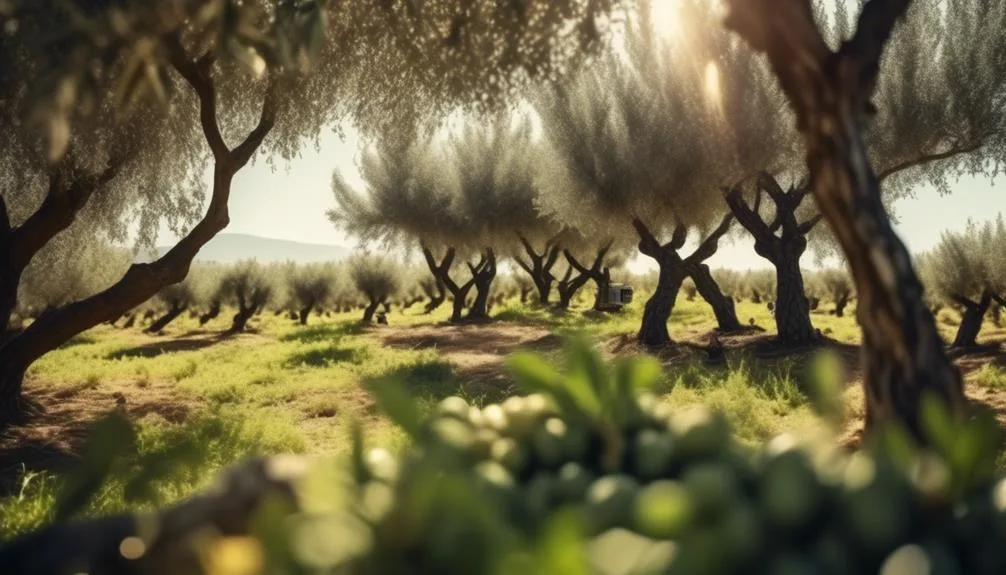
    Ethical sourcing of olives is crucial for ensuring fair treatment and compensation for farmers. By engaging in ethical sourcing practices, you contribute to the sustainability of local olive oil production and support the livelihoods of farmers.

    Community engagement is equally vital. Establishing strong ties with the community not only fosters a positive relationship but also allows you to understand and address any social or environmental concerns.

    This engagement can lead to collaborative efforts to protect natural resources and promote the well-being of the community, thereby fostering a sustainable and mutually beneficial environment for olive oil production.

    Future Sustainability

    Considering the evolving environmental and economic landscape, implementing innovative technologies and sustainable practices is vital for ensuring the long-term viability of olive oil production.

    The future sustainability of olive oil production relies on several key factors:

    1. Technology Advancements: Embracing advanced machinery for harvesting and processing can improve efficiency and reduce waste, contributing to the overall sustainability of olive oil production.
    2. Consumer Demand: Responding to the growing consumer demand for sustainably produced olive oil is critical. This involves transparent labeling, certification of sustainable practices, and educating consumers about the environmental and social benefits of supporting sustainable olive oil production.
    3. Water Management: Implementing water-efficient irrigation systems and conservation practices is essential for maintaining the health of olive groves and ensuring long-term water availability.
    4. Soil Health: Prioritizing soil conservation and regenerative agricultural practices can enhance the resilience of olive orchards and contribute to long-term sustainability.
    MUST READ
    Where to See Famous Olive Trees in Historic Sites

    Conclusion

    Incorporating sustainable practices like water conservation and organic farming is crucial for the long-term viability of olive oil production.

    It not only minimizes environmental impact but also ensures economic stability.

    Embracing sustainability in this industry isn't just a choice, but a necessity for preserving natural resources and securing the well-being of future generations.

    Share. Facebook Twitter Pinterest LinkedIn Tumblr Email
    lucy smith
    Lucy Smith
    • Website

    Lucy Smith is a highly experienced horticulturist with a passion for fruit tree cultivation. She holds a degree in Horticulture from the University of California, Davis, and has worked in various roles in the industry. With over 10 years of experience, Lucy is dedicated to using eco-friendly methods for sustainable gardening practices.

    Related Posts

    Why Do Olive Trees Symbolize Peace

    January 20, 2024

    Can Olive Trees Adapt to Climate Change

    January 20, 2024

    Creating a Wildlife Habitat With Olive Trees

    January 20, 2024

    Where Are Olive Trees Considered Invasive

    January 20, 2024

    Is Olive Tree Pollen Allergenic

    January 20, 2024

    Can Olive Trees Be Used in Traditional Remedies

    January 20, 2024
    Leave A Reply Cancel Reply

    Affiliate Disclosure

    As an Amazon Associate I earn from qualifying purchases.

    Recommended Reading

    Do Yoshino Cherry Trees Have Fruit and What to Know About Their Unique Characteristics

    What Causes Curl Leaf on Stone Fruit Trees and How to Restore Their Health

    Growing Star Fruit Trees in North Dakota: Severe Cold Advice

    When Do Plum Trees Produce Fruit: A Gardener’s Guide to Timelines and Tips

    Best Fruit Trees for California (The Ultimate Growing Guide)

    Cherry Trees in North Las Vegas, NV: Heat-Resistant Advice

    Is Star Fruit Jam Made From All Star Fruit Varieties

    Persimmon Trees in a Pot in Alaska (Indoor and Winter Care Guide)

    Fruit Trees for Arlington, TX (North Texas Homeowner’s Guide)

    Growing Banana Trees in South Carolina (Southern Harvest Tips)

    Fruit Tree Hub

    Fruit Tree Hub is a website dedicated to providing you everything you need to grow fruit trees successfully at in your own yard.

    Contact us at: [email protected]

    - AFFILIATE DISCLOSURE: As an Amazon Associate I earn from qualifying purchases.

    Latest Posts

    21 Colorful Halloween Crochet Motifs Featuring Pumpkins Bats and Black Cats

    23 Smart Halloween Crochet Ideas to Sell as Keychains and Coasters

    22 Fun Halloween Crochet Ideas Built Around Treat Bags and Hats

    23 Adorable Halloween Amigurumi Ideas Featuring Ghosts and Black Cats

    22 Compact Halloween Crochet Decorations for Shelves and Small Spaces

    19 Practical Halloween Crochet Decorations Designed for Tabletop Displays

    24 Cozy Halloween Crochet Decor Ideas Built Around Mantel Garlands

    19 Playful Kawaii Halloween Crochet Ideas Featuring Smiling Spooky Characters

    Categories
    • Almond Trees
    • Apple Trees
    • Apricot Trees
    • Best Fruit Trees
    • Blackberry
    • Cantaloupe
    • Cherry Trees
    • Crochet Ideas
    • Crochet Ideas for Beginners
    • Cucamelon
    • Easy Crochet Ideas
    • Easy Knitting Projects
    • Fall Crochet Ideas
    • Fig Trees
    • Grapefruit Trees
    • Grapes
    • Guava Trees
    • Halloween Crochet Ideas
    • Honeydew
    • Jujube Trees
    • Kiwi
    • Knitting For Beginners
    • Knitting Ideas
    • Knitting Inspiration
    • Lemon Trees
    • Lime Trees
    • Loquat Trees
    • Mango Trees
    • Mulberry Trees
    • Nectarine Trees
    • Olive Trees
    • Orange Trees
    • Papaya Trees
    • Peach Trees
    • Pear Trees
    • Persimmon Trees
    • Planting
    • Plum Trees
    • Pomegranate Trees
    • Quince Trees
    • Raspberry
    • Reviews
    • Small Crochet Ideas
    • Star Fruit Trees
    • Summer Crochet Ideas
    • Tamarind Trees
    • Tangerine Trees
    • Tips and Advice
    • Tools
    • Uncategorized
    • Walnut Trees
    © 2026 Fruit Tree Hub
    • Home
    • About Us
    • Contact
    • Privacy Policy
    • Terms and Conditions
    • Disclaimer
    • Editorial Policy
    • Affiliate Disclosure

    Type above and press Enter to search. Press Esc to cancel.