
Close Menu
    Fruit Tree Hub
    • Home
    • Apple Trees
    • Lemon Trees
    • Mango Trees
    • Orange Trees
    • More Trees
      • Best Fruit Trees
      • Apricot Trees
      • Cherry Trees
      • Fig Trees
      • Lime Trees
      • Mulberry Trees
      • Peach Trees
      • Pear Trees
      • Plum Trees
      • Pomegranate Trees
    • Tips and Advice
      • Tools
    • About Us
      • Contact
      • Privacy Policy
    Fruit Tree Hub
    Home»Climbing Fruit»Raspberry»How to Remove Seeds from Raspberries: Tips for Seedless Raspberry Dishes
    Raspberry

    How to Remove Seeds from Raspberries: Tips for Seedless Raspberry Dishes

    Lucy SmithBy Lucy SmithSeptember 7, 20246 Mins Read
    Share Facebook Twitter Pinterest WhatsApp Email
    Share
    Facebook Twitter LinkedIn Pinterest Telegram Email

    Have you ever found yourself wanting to enjoy the sweet juiciness of raspberries without the hassle of seeds getting in the way? Picture this: You’re savoring a bowl of fresh raspberries, but those tiny seeds keep disrupting your enjoyment. What if there was a simple solution to this common frustration?

    Contents show
    1 Key Takeaways
    2 Understanding Raspberry Seeds
    2.1 Why Remove Raspberry Seeds?
    2.2 The Impact of Seeds on Raspberry Dishes
    3 Methods for Removing Seeds from Raspberries
    3.1 Using a Fine Mesh Sieve
    3.2 Employing a Food Mill
    3.3 Blending and Straining Techniques
    4 Tips for Seedless Raspberry Preparations
    4.1 Choosing the Right Raspberries
    4.2 Handling and Storage Tips for Seedless Raspberries
    5 Conclusion
    6 Frequently Asked Questions
    6.1 Q: Why are raspberry seeds considered annoying?
    6.2 Q: How can I remove raspberry seeds effectively?
    6.3 Q: What are the benefits of seedless raspberry preparations?
    6.4 Q: Are there specific tips for preparing seedless raspberries?

    In this article, you’ll discover easy and practical tips on how to remove seeds from raspberries effortlessly. Say goodbye to the annoyance of crunching on seeds with every bite and hello to a smoother, seed-free raspberry eating experience. Let’s explore some clever techniques that will make enjoying these delicious berries a delight.

    Key Takeaways

    • Raspberry seeds can detract from the enjoyment of raspberries by creating a gritty sensation in your mouth.
    • Removing raspberry seeds improves the texture and flavor of dishes, allowing for a smoother culinary experience.
    • Methods such as using a fine mesh sieve, employing a food mill, or blending and straining can effectively remove raspberry seeds.
    • Select ripe raspberries for seedless preparations, handle them gently, and store them properly to maintain freshness and quality.

    Understanding Raspberry Seeds

    Raspberry seeds are small, edible grains found within the fruit that can sometimes detract from the overall enjoyment of raspberries. By learning more about these seeds and their impact, you can enhance your raspberry-eating experience.

    MUST READ
    How Much Sun for Raspberries: Optimal Exposure Tips for Healthy Growth and Abundant Harvests

    Why Remove Raspberry Seeds?

    Removing raspberry seeds can significantly improve the texture and flavor of dishes or snacks containing raspberries. When left intact, the tiny seeds may create a slightly gritty sensation in your mouth, which might not be desirable for some individuals. By taking the time to extract these seeds, you can enjoy a smoother and more pleasant culinary experience with raspberries.

    The Impact of Seeds on Raspberry Dishes

    The presence of raspberry seeds in dishes like smoothies, jams, or desserts can alter their consistency. While some people don’t mind the added crunchiness that seeds provide, others prefer a seedless texture for a smoother mouthfeel. By removing the seeds from raspberries before incorporating them into your recipes, you have better control over the final texture and ensure a more refined dining experience.

    Keep these insights in mind as you explore ways to remove raspberry seeds effectively and elevate your enjoyment of this delicious fruit.

    Methods for Removing Seeds from Raspberries

    If you’re looking to enjoy raspberries without the hassle of seeds, there are several effective methods you can use to achieve a smoother texture and enhance your culinary experience.

    Recommended Products
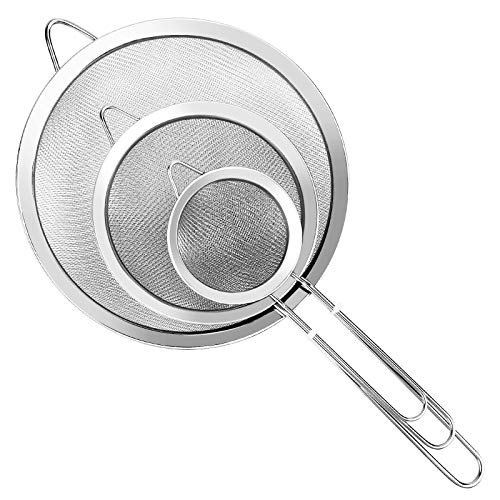
    9" Large Mesh Strainer, Stainless Steel 18/8 Extra Fine Quinoa Sieve, with Solid Sturdy Handle, Flour Filter with Wider Hook
    9" Large Mesh Strainer, Stainless Steel 18/8 Extra Fine Quinoa Sieve, with Solid Sturdy Handle, Flour Filter with Wider Hook

    Food Grade Stainless Steel 18/8 Construction: Our kitchen strainer is made of first class Stainless Steel 18/8 304 that is BPA free, Lead and Cadmium free. It is rust free and will never affect the taste of your food!

    VIEW LATEST PRICE

    As an affiliate, we earn on qualifying purchases.

    MUST READ
    When to Plant Raspberries in Zone 5: A Complete Guide for Successful Growth
    3Pcs Super Wire Extra Fine Mesh Strainer with Handle, Small Medium Large Size Sifter Metal Strainer Set, Stainless Steel Sieve Fine Mesh Strainers for Kitchen Rice Juice Quinoa Food Flour Baking YLYL
    3Pcs Super Wire Extra Fine Mesh Strainer with Handle, Small Medium Large Size Sifter Metal Strainer Set, Stainless Steel Sieve Fine Mesh Strainers for Kitchen Rice Juice Quinoa Food Flour Baking YLYL

    3 Pcs Fine Mesh Strainer With Handle: Three diameters 3.15″ , 5.5″ & 7.87″, ensures that you always have the right strainer for the job. Super wire extra fine mesh strainer with handle are perfect for sifting and straining wet or dry ingredients, repeated use.

    VIEW LATEST PRICE

    As an affiliate, we earn on qualifying purchases.

    RSVP International Endurance Kitchen Collection, Stainless Steel Fine Mesh Conical Sieve/Colander, Multi-Purpose for Cooking, Baking, Loose Leaf Tea, Bar Strainer Cocktails, 6.25-Inch
    RSVP International Endurance Kitchen Collection, Stainless Steel Fine Mesh Conical Sieve/Colander, Multi-Purpose for Cooking, Baking, Loose Leaf Tea, Bar Strainer Cocktails, 6.25-Inch

    SIZE: Strainer basket features a 6.25" diameter and super fine mesh for quality straining

    VIEW LATEST PRICE

    As an affiliate, we earn on qualifying purchases.

    Using a Fine Mesh Sieve

    For a quick and easy way to remove raspberry seeds, consider using a fine mesh sieve. Simply place the raspberries in the sieve over a bowl and press them gently with the back of a spoon. The seeds will be separated, leaving you with seedless pulp that’s perfect for adding to various dishes like sauces or desserts.

    Employing a Food Mill

    Another efficient method is to employ a food mill. This tool allows you to process the raspberries and separate the seeds effortlessly. By passing the berries through the food mill, you can extract the puree while leaving behind the unwanted seeds. This technique is ideal for making seedless raspberry jams or preserves.

    Blending and Straining Techniques

    If you prefer a more hands-on approach, blending and straining can also help eliminate raspberry seeds. Start by blending the raspberries into a smooth puree using a blender or food processor. Next, strain the puree through a fine-mesh strainer to catch any remaining seeds. This method gives you control over how much pulp you retain, ensuring your recipes have just the right consistency.

    MUST READ
    What Do Raspberries Grow On? Cultivation Tips for Healthy Plants

    By utilizing these practical methods for removing raspberry seeds, you can elevate your dishes’ quality and savor the delicious taste of raspberries without any unwanted crunchiness.

    Tips for Seedless Raspberry Preparations

    When it comes to creating seedless raspberry dishes, paying attention to the details can make a significant difference in your culinary experience. Here are some practical tips to help you achieve that smooth texture and delightful flavor without the hassle of dealing with raspberry seeds.

    Recommended Products

    Johnny Apple Sauce Maker, Tomato Sauce Maker, Remove Skins & Seeds From Produce, Model 250 Clamp Based Food Strainer (Basic Strainer)
    Johnny Apple Sauce Maker, Tomato Sauce Maker, Remove Skins & Seeds From Produce, Model 250 Clamp Based Food Strainer (Basic Strainer)

    NOT JUST FOR APPLE SAUCE AND TOMATO SAUCE: Great for purees, pie fillings, juices, jams, cream soups, baby foods, sauces, and more. Use it for a variety of fruits and vegetables. Easily separate skins and seeds from your produce as you create your own specialty sauces and purees.

    VIEW LATEST PRICE

    As an affiliate, we earn on qualifying purchases.

    2 PC Reusable Nut Milk Bags Cheese Cloths for Straining, Ultra Extra Fine Mesh Jelly Juice Honey Food Sieve Strainer for Juicing,Coffee Pulp Strainer Cloth, Berry Seed Strainer
    2 PC Reusable Nut Milk Bags Cheese Cloths for Straining, Ultra Extra Fine Mesh Jelly Juice Honey Food Sieve Strainer for Juicing,Coffee Pulp Strainer Cloth, Berry Seed Strainer

    High quality material: Food grade, BPA-free, can be in direct contact with food, can be used repeatedly, safe and efficient, long-lasting.Product small 2 sets, size: 11in x 5.3in

    VIEW LATEST PRICE

    As an affiliate, we earn on qualifying purchases.

    Johnny Apple Sauce Maker, Tomato Sauce Maker, Salsa, Pumpkin Puree, Remove Skins & Seeds From Produce, Model 250 Clamp Based Food Strainer with Electric Motor (Strainer + Motor + Accessories)
    Johnny Apple Sauce Maker, Tomato Sauce Maker, Salsa, Pumpkin Puree, Remove Skins & Seeds From Produce, Model 250 Clamp Based Food Strainer with Electric Motor (Strainer + Motor + Accessories)

    NOT JUST FOR APPLE SAUCE AND TOMATO SAUCE: Great for purees, pie fillings, juices, jams, cream soups, baby foods, sauces, and more. Use it for a variety of fruits and vegetables. Easily separate skins and seeds from your produce as you create your own specialty sauces and purees.

    MUST READ
    Growing Raspberries in Colorado: Tips for Success & Resilience
    VIEW LATEST PRICE

    As an affiliate, we earn on qualifying purchases.

    Choosing the Right Raspberries

    Selecting ripe raspberries is crucial for seedless preparations. Look for raspberries that are plump, firm, and vibrant in color. Avoid berries that are mushy or have signs of mold. The quality of your raspberries will directly impact the final outcome of your seedless creations, so choose carefully.

    Handling and Storage Tips for Seedless Raspberries

    Proper handling and storage techniques can prolong the freshness of your raspberries while maintaining their quality for seed removal processes. Here are some tips to keep in mind:

    • Gentle Washing: Rinse raspberries gently under cold running water before using them in your recipes. Be careful not to crush or damage the delicate berries during this process.
    • Drying Method: After washing, pat the raspberries dry with a paper towel or allow them to air dry on a clean cloth. Excess moisture can affect the texture of your dishes.
    • Storage Conditions: Store your raspberries in a single layer on a paper towel-lined tray in the refrigerator. Avoid overcrowding or stacking them, as this can lead to bruising and spoilage.
    • Optimal Timing: Use your raspberries soon after purchase for the best results. Freshness is key when aiming for a seamless seed removal process.

    By following these tips on selecting, handling, and storing raspberries, you set yourself up for success in creating delectable seedless raspberry dishes that everyone will enjoy.

    Conclusion

    You’ve learned the importance of removing raspberry seeds to elevate your dishes. By using methods like sieving, milling, and blending with straining techniques, you can achieve a smoother texture. Remember to choose ripe raspberries, wash them gently, dry properly, store correctly, and use them at the right time for optimal results. These tips will help you create seedless raspberry delights that offer a refined dining experience. Enjoy your raspberry creations without the annoyance of pesky seeds!

    MUST READ
    Pruning Raspberries for Winter: A Complete Guide with Essential Tips for Healthy Bushes

    Frequently Asked Questions

    Q: Why are raspberry seeds considered annoying?

    A: Raspberry seeds can be annoying due to their small size and gritty texture, which can affect the overall mouthfeel of dishes like smoothies and jams.

    Q: How can I remove raspberry seeds effectively?

    A: You can remove raspberry seeds effectively by using methods such as a fine mesh sieve, a food mill, or blending with straining techniques to achieve a smoother texture.

    Q: What are the benefits of seedless raspberry preparations?

    A: Seedless raspberry preparations enhance the texture and flavor of dishes, providing a more enjoyable culinary experience without the distraction of crunchy seeds.

    Q: Are there specific tips for preparing seedless raspberries?

    A: Yes, tips include selecting ripe raspberries, gently washing them, ensuring proper drying methods, storing them correctly, and using them at optimal timing for the best results.

    Share. Facebook Twitter Pinterest LinkedIn Tumblr Email
    lucy smith
    Lucy Smith
    • Website

    Lucy Smith is a highly experienced horticulturist with a passion for fruit tree cultivation. She holds a degree in Horticulture from the University of California, Davis, and has worked in various roles in the industry. With over 10 years of experience, Lucy is dedicated to using eco-friendly methods for sustainable gardening practices.

    Related Posts

    Discovering Raspberry Growth Maps: Unveiling Ideal Cultivation Regions Worldwide

    September 7, 2024

    Companion Planting Blackberries and Raspberries: Tips for Successful Growth

    September 7, 2024

    When to Transplant Black Raspberries for Healthy Growth and Fruit Production

    September 7, 2024

    How to Grow Raspberries in Ohio: A Complete Guide for Successful Harvests

    September 7, 2024

    What Type of Soil Do Raspberries Need? Tips for Healthy Growth and Bountiful Harvests

    September 7, 2024

    Companion Planting Strawberries, Blueberries, and Raspberries: Tips for a Thriving Berry Garden

    September 7, 2024
    Leave A Reply Cancel Reply

    Affiliate Disclosure

    As an Amazon Associate I earn from qualifying purchases.

    Recommended Reading

    Best Tree Pruners 2022: Your Complete Buying Guide

    Can Cherry Trees Grow in Anaheim, CA? (Orange County Advice)

    Loquat Trees in Mississippi: Deep South Planting Manual

    Can Walnut Trees Survive in Wet Soil

    Are fig trees supposed to lose their leaves?

    What Fruit Trees Can You Grow From Seed to Cultivate a Thriving Backyard Garden

    Are pear tree thorns poisonous?

    How to Grow Fruit Trees Animal Crossing New Horizons: Tips for a Thriving Orchard

    When to Take Cuttings from Fruit Trees: Essential Timing and Techniques for Successful Propagation

    Avocado Trees in Santa Ana, CA: Coastal Microclimate Secrets

    Fruit Tree Hub

    Fruit Tree Hub is a website dedicated to providing you everything you need to grow fruit trees successfully at in your own yard.

    Contact us at: [email protected]

    - AFFILIATE DISCLOSURE: As an Amazon Associate I earn from qualifying purchases.

    Latest Posts

    Plum Trees in New York City, NY: Urban Backyard Tips

    Guava Trees in Richmond, VA (Capital Region Planting)

    Can Orange Trees Grow in Idaho? Cold-Climate Solutions

    Guava Trees in Santa Ana, CA: Coastal Success and Care

    Growing Quince Trees in a Pot in Nebraska: Wind Care Tips

    Growing Papaya Trees in Wyoming: High Elevation Growth Tips

    Growing Tangerine Trees in a Pot in South Carolina (Pro Advice)

    Olive Trees in a Pot in South Dakota (High Plains Potting Tips)

    Categories
    • Almond Trees
    • Apple Trees
    • Apricot Trees
    • Best Fruit Trees
    • Blackberry
    • Cantaloupe
    • Cherry Trees
    • Crochet Ideas
    • Crochet Ideas for Beginners
    • Cucamelon
    • Easy Crochet Ideas
    • Easy Knitting Projects
    • Fig Trees
    • Grapefruit Trees
    • Grapes
    • Guava Trees
    • Honeydew
    • Jujube Trees
    • Kiwi
    • Knitting For Beginners
    • Knitting Ideas
    • Knitting Inspiration
    • Lemon Trees
    • Lime Trees
    • Loquat Trees
    • Mango Trees
    • Mulberry Trees
    • Nectarine Trees
    • Olive Trees
    • Orange Trees
    • Papaya Trees
    • Peach Trees
    • Pear Trees
    • Persimmon Trees
    • Planting
    • Plum Trees
    • Pomegranate Trees
    • Quince Trees
    • Raspberry
    • Reviews
    • Small Crochet Ideas
    • Star Fruit Trees
    • Summer Crochet Ideas
    • Tamarind Trees
    • Tangerine Trees
    • Tips and Advice
    • Tools
    • Uncategorized
    • Walnut Trees
    © 2026 Fruit Tree Hub
    • Home
    • About Us
    • Contact
    • Privacy Policy
    • Terms and Conditions
    • Disclaimer
    • Editorial Policy
    • Affiliate Disclosure

    Type above and press Enter to search. Press Esc to cancel.