

Have you ever wondered how long it takes for a lychee tree to bear fruit? If you’re dreaming of juicy, fragrant lychees straight from your garden, you’re not alone. Many new gardeners find themselves eager to enjoy the sweet rewards of their hard work.
Key Takeaways
- Time to Fruit: Lychee trees typically bear fruit within 3 to 5 years after planting, with grafted trees fruiting sooner than those grown from seeds.
- Growth Conditions: Optimal growth requires warm, subtropical climates with ample sunlight (at least 6 hours daily) and humidity levels above 50%.
- Soil and Watering: Use well-draining, organic-rich soil and maintain consistent moisture without waterlogging to promote healthy growth.
- Care Practices: Regular pruning, fertilization every 6 to 8 weeks, and pest management are essential for ensuring robust tree health and fruit yields.
- Environmental Impact: Warm temperatures between 75°F and 95°F significantly enhance fruiting potential; consider growing in a greenhouse if you’re in a cooler climate.
- Patience is Key: Young lychee trees prioritize root and foliage establishment, necessitating patience during the initial years before they begin to bear fruit.
Overview of Lychee Trees
Lychee trees (Litchi chinensis) thrive in warm, subtropical, and tropical climates. You can find these trees in various countries, including China, India, and parts of Southeast Asia. They require plenty of sunlight, with at least six hours daily, to grow healthy and produce fruit.
Characteristics of Lychee Trees
- Height: Lychee trees can reach heights between 30 to 40 feet.
- Leaves: The leaves are glossy, dark green, and consist of multiple leaflets.
- Flowers: Small, fragrant flowers grow in clusters and are typically yellow or white.
- Fruit: The fruit features a bumpy, red skin with sweet, juicy white flesh inside.
Growing Conditions
- Soil: Use well-draining soil rich in organic matter.
- Water: Ensure consistent moisture, but avoid waterlogging. A layer of mulch helps retain soil moisture.
- Temperature: Lychee trees are sensitive to frost. Keep nighttime temperatures above 32°F.
Time to Fruit Bearing
Lychee trees usually begin bearing fruit after three to five years of growth. Trees grown from seeds may take longer than those propagated through grafting. You’ll experience a shorter wait if you start with a grafted tree, as it already contains established genetics for fruit production.
- Pruning: Regular pruning helps shape the tree and encourages better air circulation.
- Fertilization: Use a balanced fertilizer during the growing season for optimal growth.
- Pest Management: Monitor for pests like aphids and scale insects. Treat infestations promptly to maintain tree health.
By understanding the characteristics, growing conditions, and maintenance needs of lychee trees, you’ll set yourself up for a successful growing experience and enjoy delicious homegrown fruit in just a few years.
Growth Stages of Lychee Trees
Understanding the growth stages of lychee trees can guide you through the process of cultivation. Each stage plays a pivotal role in the tree’s journey to fruit-bearing.
Recommended Products

Miracle-Gro Indoor Potting Mix for Cactus and Succulent is enriched with Miracle-Gro Plant Food and enhances desert plant vitality (vs unfed plants when used as directed)

ORGANIC INDOOR POTTING SOIL, MADE WITHOUT PEAT: Biochar, worm castings, mycorrhizae, compost, and bark fines replace peat moss entirely; every ingredient of this house plant soil is natural, sustainably sourced, and confirmed organic - no synthetic fertilizers, no fillers

STARTING A TROPICAL GARDEN- Comprised of real horticultural grade ingredients such as shredded coir husk, pine bark, perlite, sand, and garden lime; no pelletized fertilizer
Seed Germination
Seed germination marks the initial phase of growth. Germination typically takes fourteen to thirty days. Ensure you plant fresh seeds from mature lychee fruit. Use a well-draining mix of potting soil and sand. Keep the soil consistently moist but not waterlogged. Temperatures between 68°F and 86°F promote good growth. Watch for tiny sprouts, signaling your seeds are taking root.
Young Tree Development
Young tree development lasts from one to three years. Your newly sprouted lychee needs full sun exposure for at least six hours each day. Regular watering is essential to maintain even moisture in the soil. Fertilize with a balanced slow-release fertilizer every six to eight weeks. Prune the tree to shape its structure and encourage healthy branching. Ensure protection from extreme temperatures and pests. At this stage, you’ll witness the tree grow to about three to five feet tall, laying the foundation for future fruiting.
Factors Influencing Fruit Production
Several key factors impact how soon a lychee tree produces fruit. Understanding these factors helps you cultivate healthier trees and enjoy a plentiful harvest.
Tree Age
Tree age plays a crucial role in fruit production. Lychee trees typically bear fruit within three to five years, depending on their age at planting. Grafted trees bear fruit sooner, often within three years, while those grown from seeds take longer. Younger trees focus on establishing roots and foliage, so patience is needed in the early years.
Environmental Conditions
Environmental conditions directly affect lychee tree growth and fruiting.
- Climate: Tropical and subtropical climates are ideal.
- Sunlight: A minimum of six hours of sunlight daily promotes healthy growth.
- Temperature: These trees thrive in warm temperatures, with optimal ranges between 75°F and 95°F.
- Humidity: Humidity levels above 50% support fruit development.
Ensuring your tree is planted in a suitable environment boosts its chances of producing fruit.
Care and Maintenance
Regular care and maintenance enhance the health of your lychee tree, leading to better fruit yields.
- Soil: Use well-draining, organic-rich soil. This minimizes the risk of root rot.
- Watering: Provide consistent moisture without waterlogging. Water thoroughly but infrequently.
- Fertilization: Apply a balanced fertilizer every six to eight weeks during the growing season.
- Pruning: Regularly prune the tree to promote healthy branching and airflow.
Adhering to these practices ensures your lychee tree remains robust and increases the likelihood of a fruitful harvest.
Timeframe for Fruit Production
Lychee trees take a few years to begin producing fruit. The timing varies based on factors such as tree type and care.
Recommended Products
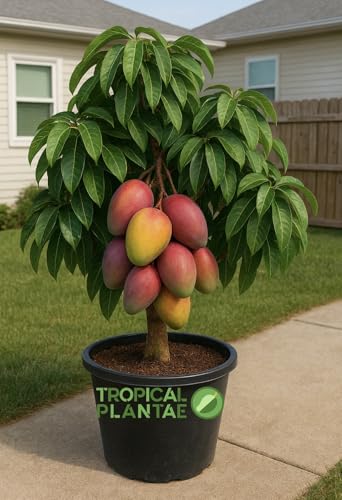
Imagine stepping into your backyard a few months from now and seeing a beautiful grafted Haden mango tree, growing stronger every day — a tree that will soon reward you with one of the most classic, flavorful mangoes ever grown.

GRAFTED FRUITING TREE: Russian pomegranate plant is propagated from mature fruit producing stock instead of seed grown material for stronger growth habits and earlier fruiting potential

Sweetheart Grafted Lychee Tree – Early flowering variety with sweet, high-quality fruit 3–4 Ft Tall, Well-Rooted Live Plant – Strong growth, adapts quickly after planting May Flower as Early as Next Year – With proper care in warm climates Shipped in a 3-Gallon Pot – Reduces transplant shock during shipping Cold-Sensitive Tropical Plant – Keep above 50°F; leaf drop after shipping is normal
Typical Timeline for Lychee Trees
Grafted lychee trees typically produce fruit within three to five years after planting. Trees grown from seeds can take longer, usually between five to eight years, before they yield fruit. To maximize fruit production, consider grafting as a method. This technique ensures quicker results and healthier plants.
Variations by Climate and Care
Climate plays a significant role in the timeframe for fruit production. Lychee trees thrive in warm, humid environments with temperatures ranging from 77°F to 90°F. If you live in a cooler climate, consider growing your tree in a greenhouse or indoors.
Your care routine also affects growth and fruiting. Ensure your tree gets at least six hours of sunlight daily. Water your tree regularly, but avoid waterlogging, as it can lead to root rot. Use organic fertilizers during the growing season for optimal results. Implementing these practices helps your tree flourish and may lead to earlier fruiting.
Conclusion
Growing a lychee tree is a rewarding journey that requires patience and care. While it might take a few years for your tree to bear fruit you’ll find that the effort is well worth it. Imagine the joy of harvesting sweet juicy lychees right from your backyard.
By providing the right conditions and maintaining a consistent care routine you’ll set your tree up for success. Keep an eye on its growth and enjoy each stage of development. Before you know it you’ll be savoring the delicious fruits of your labor. Happy gardening!
Frequently Asked Questions
How long does it take for lychee trees to bear fruit?
Lychee trees typically begin to bear fruit after three to five years. Grafted trees tend to fruit sooner than those grown from seeds, which can take five to eight years. Proper care and the right growing conditions can also influence this timeline.
What kind of climate do lychee trees thrive in?
Lychee trees thrive in warm, subtropical, and tropical climates. They require at least six hours of sunlight daily and benefit from humid conditions to promote healthy growth and fruit production.
What soil conditions are best for growing lychee trees?
Lychee trees prefer well-draining, organic-rich soil that retains moisture without waterlogging. It’s important to ensure the soil has good drainage to prevent root rot while maintaining consistent moisture.
How should I care for my lychee tree to ensure a good harvest?
Regular pruning, balanced fertilization every six to eight weeks, and effective pest management are essential for a healthy lychee tree. Ensuring adequate sunlight and consistent watering also supports fruit production.
Can I grow lychee trees from seeds?
Yes, you can grow lychee trees from seeds. However, keep in mind that seeds may take longer to bear fruit—typically five to eight years compared to three to five years for grafted trees. Fresh seeds in a well-draining mix are recommended.
What are the main factors that influence lychee fruit production?
Key factors influencing lychee fruit production include the tree’s age, environmental conditions (such as humidity and temperature), and care practices like soil management, sunlight exposure, and watering routines.
