

Have you ever wondered why some fruit trees thrive while others struggle? If you’re dreaming of a bountiful harvest, knowing where to plant your trees is key. The right location can make all the difference in how well your trees produce.
Imagine planting a peach tree in a shady spot only to find it barely bears fruit. Choosing the best environment for your fruit trees not only boosts their health but also ensures you enjoy delicious, homegrown produce. This article will guide you through the ideal conditions for growing fruit trees, helping you create a fruitful garden that flourishes year after year.
Key Takeaways
- Right Location Matters: Selecting the ideal planting location is crucial for the healthy growth and fruit production of your trees.
- Climate Considerations: Different fruit tree species thrive in specific climates; temperate trees like apples prefer cooler regions, while tropical trees like mangoes need warmth year-round.
- Soil Quality: Well-draining, nutrient-rich soil is essential for fruit tree health. Testing pH levels and making necessary amendments can improve soil conditions.
- Sunlight Requirements: Most fruit trees require at least 6-8 hours of direct sunlight daily to flourish. Ensure trees are placed where they receive ample sunlight without obstructions.
- Moisture Management: Consistent moisture is vital, especially during the growing season. Aim to provide 1-2 inches of water per week and use mulch to retain soil moisture.
- Regional Adaptability: Understanding the common fruit tree types that thrive in your region allows for better selection and ultimately, a more fruitful garden.
Factors Influencing Fruit Tree Growth
Understanding the factors influencing fruit tree growth is essential for achieving the best results in your garden. Several key elements contribute to the health and productivity of your trees.
Recommended Products

Accurate Soil pH Testing: Dewildetradingco Soil pH Test Strips offer measurements of soil pH levels (pH 3.5-9). As an essential tool for every gardener and grower, these test strips help determine the optimal pH for various plants, such as outdoor plants, indoor plants, gardens, grass lawns, fruit trees, flowers, vegetables, and forest shrubs.

KNOW BEFORE YOU GROW | Grow the healthiest, sustainable lawn and garden with the most accurate and easy to use professional soil test kit on the market

Kindly NOTE: This soil tester can not be applied to test pH value of any other liquid. If the soil is too dry the indicator will not move, and water it before testing.
Climate Considerations
Climate plays a crucial role in how well fruit trees thrive. Different species require specific temperature ranges and seasonal changes. For example, apple trees flourish in cooler climates with cold winters. Conversely, tropical fruit trees like mangoes need warm temperatures year-round. When selecting trees, consider your regional climate. You can consult local agricultural extensions or gardening centers for guidance on the best varieties for your area.
Soil Quality and Type
Soil quality directly impacts fruit tree growth. Ideal soil for fruit trees is well-draining and rich in organic matter. Sandy loam is preferred for many fruit varieties, allowing roots to access nutrients and water easily. Test your soil’s pH; most fruit trees prefer a range of 6.0 to 7.5. If your soil falls outside this range, amendments can optimize conditions. Incorporate compost or other organic materials to enhance nutrient content and structure.
Sunlight Requirements
Sunlight is vital for fruit tree development. Most fruit trees require full sun, which means at least six to eight hours of direct sunlight daily. Insufficient sunlight can lead to poor fruit production and weak tree growth. Position your trees in an area that receives ample sunlight throughout the day. Consider removing nearby obstructions, such as tall structures or dense shrubs, that might cast shadows on your trees. Regularly assess sunlight exposure and make adjustments as necessary.
Types of Fruit Trees and Their Preferences
Understanding the preferences of different fruit tree types helps you create optimal growing conditions for a bountiful harvest.
Recommended Products

Product Quantity: 180+ premium bonsai fruit seeds across 5 varieties; Individual packs contain 40+ apple, 40+ lemon, 40+ orange, 20+ blueberry, and 40+ cherry seeds; Perfect for starting a diverse miniature orchard

🌳 3-Pack Fruit Tree Bundle Includes live apple, apricot, and pear trees—perfectly paired for a diverse and productive backyard orchard.
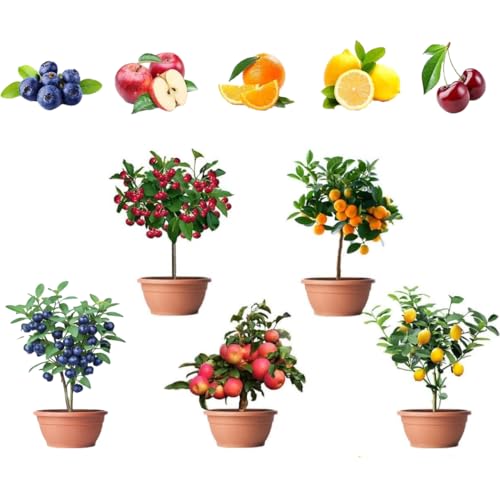
Variety Pack of 5 Fruits: Includes 40 Lemon seeds, 40 Orange seeds, 40 Apple seeds, 20 Cherry seeds, and 20 Blueberry seeds for a colorful and diverse home garden
Temperate Fruit Trees
Temperate fruit trees thrive in regions with distinct seasons. They require a chilling period during winter, which involves temperatures between 32°F and 45°F. Examples include apple trees, pear trees, and cherry trees.
- Apple Trees: Prefer loamy, well-drained soil with a pH of 6.0 to 7.0. Aim for full sun exposure, receiving at least six hours of direct sunlight daily.
- Pear Trees: Adapt well to varied soils but favor slightly acidic to neutral pH levels. Select a location with plenty of sunlight and good air circulation.
- Cherry Trees: Flourish in sandy or loamy soil, requiring similar light conditions. Protect from strong winds to prevent damage.
Tropical Fruit Trees
Tropical fruit trees flourish in warm, humid climates year-round. They generally do not tolerate frost. Key types include mango trees, banana plants, and papaya trees.
- Mango Trees: Thrive in well-drained, sandy soil with full sun exposure. Ensure they receive sufficient water without soil saturation.
- Banana Plants: Prefer rich, organic soil and heavy moisture. Ideally, plant them in locations with partial shade to protect from harsh sunlight during peak hours.
- Papaya Trees: Need warm temperatures and well-draining soil to prevent root rot. Consider positioning them in sunny spots to promote growth.
By recognizing and accommodating the specific requirements of these fruit trees, you enhance their opportunity to flourish and produce abundant crops.
Ideal Growing Conditions
Fruit trees thrive best under specific conditions that support their growth and productivity. Understanding these conditions can significantly enhance your gardening success.
Recommended Products

【INNOVATIVE 2-IN-1 TREE CLEANING & ROOT WATERING SYSTEM】 This unique 6.5FT spray pipe system is specially designed to spray water directly onto fruits, leaves, and delicate ornamental trees, helping remove dust, pollen, and surface residue. The falling water then naturally soaks into the soil, providing efficient root irrigation at the same time

1/2" Water-Saving & Durable Construction with Upgraded Formula: Our enhanced soaker hose blend delivers ultra-consistent water seepage while maximizing water savings, plus improved tensile strength, durability, and flexibility. It’s easy to handle, resistant to kinks, and built to stand up to long-term use in lawns, yards, landscaping, and tree watering applications.
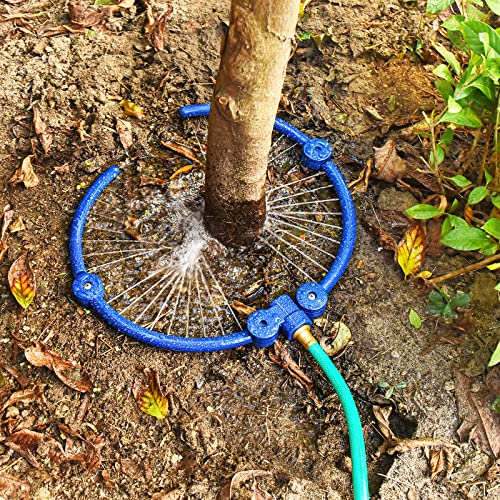
【Specially Designed for Trees and Shrubs】 The Watering Ring is a multi-purpose irrigation ring that attaches to a garden hose to efficiently water young trees shrubs vegetables or flower beds using drip or trickle irrigation.It directs water to the root perimeter of the plant to give them a good start during the first two growing seasons or through periods of drought.
Average Temperature Ranges
Different fruit trees require specific temperature ranges to flourish. Generally, temperate fruit trees, like apples and cherries, grow well in regions with temperatures ranging from 75°F to 85°F during the growing season. Conversely, tropical fruit trees, such as mangoes and papayas, prefer warmer conditions, thriving in temperatures between 80°F and 95°F year-round. It’s crucial to select fruit tree varieties suited to your local climate to ensure optimal growth.
Moisture Levels and Irrigation Needs
Moisture levels play a vital role in the health of fruit trees. Most fruit trees need consistent moisture, especially during the growing season. Aiming for soil that remains moist but not waterlogged is essential. Newly planted trees benefit from regular watering, particularly in the first year. Aim for one to two inches of water per week, either from rainfall or irrigation. Adjust irrigation based on rainfall patterns, and consider using mulch to retain soil moisture while suppressing weeds. This practice fosters healthier roots and promotes robust fruit production.
Common Regions for Fruit Tree Cultivation
Understanding the common regions for fruit tree cultivation helps you choose the right trees for your garden. Each area offers unique conditions that support specific fruit varieties.
North America
North America boasts diverse climates suitable for various fruit trees. In the northern regions, apple, cherry, and pear trees thrive, thanks to the cold winters that provide necessary chilling hours. Areas like Michigan and New York show successful apple orchards due to these conditions. The southern parts, including California and Florida, support tropical species like orange and avocado trees, which enjoy warm temperatures and ample sunlight year-round. For best results, consider soil type and sunlight exposure when selecting trees.
Europe
Europe has a rich tradition of fruit cultivation. The Mediterranean regions, such as Spain and Italy, cater to citrus trees, olives, and figs due to their warm, dry summers and mild winters. In contrast, northern countries like Germany and France excel with plums, apples, and cherries, benefiting from their temperate climate and distinct seasons. For successful cultivation, ensure proper irrigation and soil drainage to suit specific fruit needs, especially in regions with less rainfall.
Asia
Asia presents a vast array of climates favorable for fruit tree growth. Tropical zones, like those in Thailand and Indonesia, thrive with mango, banana, and dragon fruit trees that require high humidity and consistent warmth. Additionally, the temperate zones in China and Japan support varieties such as peaches, apricots, and Asian pears. A key takeaway for growers is the importance of local climate, rainfall patterns, and soil conditions when deciding on fruit trees to plant.
Conclusion
Finding the right spot for your fruit trees can make all the difference in your gardening journey. By considering the specific needs of each tree type and matching them to your local climate and soil conditions you’re setting yourself up for success.
Whether you’re planting in a sunny backyard or a cozy garden space understanding these factors will help you cultivate healthy trees that produce delicious fruit. So go ahead and choose wisely plant those trees and enjoy the fruits of your labor. Happy gardening!
Frequently Asked Questions
What is the importance of choosing the right location for planting fruit trees?
Selecting the right location for planting fruit trees is crucial for their health and productivity. The environment, including sunlight, soil quality, and climate, directly impacts tree growth. For example, planting a peach tree in a shady area can hinder its ability to bear fruit. Therefore, evaluating these factors helps ensure a successful harvest and thriving garden.
How much sunlight do fruit trees need?
Most fruit trees require at least six to eight hours of direct sunlight each day for optimal growth. Adequate sunlight exposure is essential for healthy tree development and successful fruit production. Proper light conditions help trees produce energy through photosynthesis, leading to a bountiful harvest.
What soil type is best for growing fruit trees?
Fruit trees thrive best in well-draining, nutrient-rich soil. Testing soil pH and amending it as needed can create ideal conditions for growth. Well-drained soil prevents root rot and supports healthy root development, which is vital for productivity and overall tree health.
What are temperate and tropical fruit trees?
Temperate fruit trees, like apples and cherries, prosper in regions with distinct seasons and require winter chilling. In contrast, tropical fruit trees, such as mangoes and bananas, need warm, humid climates and do not tolerate frost. Understanding these categories helps gardeners select appropriate trees based on local climate.
How much water do fruit trees need?
Fruit trees generally need one to two inches of water per week, especially during their growing season. Consistent moisture is critical for healthy roots and fruit production. Using mulch can help retain soil moisture and promote optimal growing conditions for the trees.
What factors influence the growth of fruit trees?
Key factors influencing fruit tree growth include climate, soil quality, sunlight exposure, and moisture levels. Each fruit species has specific preferences, such as temperature ranges and soil types. Understanding these factors is essential for creating optimal conditions for thriving fruit trees.
Can you suggest common regions for fruit tree cultivation?
In North America, northern regions support temperate fruit trees like apples, while southern areas favor tropical species like oranges. Europe has Mediterranean regions ideal for citrus, and Asia features tropical zones for mangoes. Understanding local climate and soil conditions is crucial in selecting the right fruit trees for your garden.
