

Wondering if it’s okay to prune your fruit trees in spring? You’re not alone. Many gardeners face this question each year as they prepare for the growing season. Spring brings fresh blooms and vibrant growth, but it can also raise concerns about the best time to trim those branches.
Pruning can seem daunting, especially when you want to ensure a bountiful harvest. This article will help you understand the pros and cons of spring pruning, guiding you through the best practices to keep your trees healthy and productive. With the right tips, you can make informed decisions that will benefit your garden for years to come.
Key Takeaways
- Optimal Timing for Pruning: Spring is ideal for pruning fruit trees like apple and peach, as it encourages vigorous growth, but it should be done before buds swell to minimize frost damage.
- Purpose of Pruning: Pruning enhances airflow, sunlight exposure, tree shape, and removes dead or diseased wood to prevent pests, all contributing to healthier trees and better fruit production.
- Use Clean Tools: Always use sharp and sanitized tools to make clean cuts, which promote faster healing and reduce the risk of disease spread among trees.
- Target Last Year’s Growth: Focus on pruning young shoots and removing about 20-30% of last year’s growth for optimal results during the spring pruning season.
- Understand Tree Species: Different fruit tree varieties respond uniquely to pruning; research specific needs for trees like cherry and plum to determine the best pruning times for each type.
- Monitor Weather Conditions: Be aware of local frost dates and climate conditions to choose the best time for pruning, avoiding late frosts to protect exposed branches.
Understanding Pruning
Pruning involves removing specific parts of a tree, like branches and leaves. This process promotes healthy growth and fruit production. Knowing when and how to prune fruit trees matters for fostering a productive garden.
Recommended Products

IDEAL BRANCH TRIMMER: Tree pruner that extends from 7.9 to 12 feet; Lightweight aluminum pole weighing less than five pounds to help minimize fatigue; Ideal for cutting high branches, or making low cuts without bending or kneeling

10FT POLE TREE PRUNER WITH SAW FUNCTION: Designed primarily for high branch trimming with pull-rope pruning shears, while the integrated saw provides an additional cutting option when needed. This manual tree pruner combines pruning and sawing functions in one long-reach tool for routine tree care in yards, gardens, and orchards.

2-in-1 Gardening Tool Combo Set: This kit includes both a mini Chainsaw 6-inch cordless and electric pruning shears—two essential tools for yard and garden maintenance. The cordless design offers excellent mobility, allowing easy operation even in tight or hard-to-reach spaces. Buying the combo saves time and money, letting you handle heavy cutting and fine pruning without purchasing separate tools
Purpose of Pruning
- Improving Airflow: Cutting away dense foliage allows for better air circulation.
- Facilitating Sunlight Exposure: Thinning the canopy ensures sunlight reaches fruit and leaves, promoting ripeness.
- Controlling Size and Shape: Regular pruning helps maintain the desired height and shape, making trees easier to manage.
- Removing Dead or Diseased Wood: Eliminating unhealthy branches reduces the risk of pests and diseases.
Best Practices for Spring Pruning
- Timing Matters: Prune when trees are still dormant but before new growth begins. This typically falls between late February and early April, depending on your location.
- Use Clean Tools: Ensure your pruning shears and saws are sharp and sterilized to prevent the spread of disease.
- Cut at the Right Angle: Make cuts at a 45-degree angle to promote healing and reduce water accumulation on cuts.
- Focus on Young Growth: Target last year’s growth for optimal results; remove 20-30% of the new growth.
Common Questions About Spring Pruning
- What types of fruit trees should you prune in spring? Apple, peach, and cherry trees benefit from spring pruning, especially if done correctly.
- What if you miss the spring window? If pruning can’t happen in spring, consider doing it in late summer to shape trees without stimulating new growth.
- Pruning Shears: Ideal for small branches and fine cuts.
- Loppers: Useful for medium-sized branches.
- Saw: Needed for larger branches to make clean, safe cuts.
By understanding the purpose and practices of pruning, you can enhance the health and yield of your fruit trees. Knowing the right techniques helps ensure your garden thrives throughout the season.
Optimal Pruning Periods
Spring presents unique opportunities and challenges for pruning fruit trees. Understanding the timing and impacts of your pruning choices helps maintain healthy trees and maximize yields.
Spring Pruning Benefits
- Enhanced Growth: Pruning in spring encourages vigorous growth during the growing season. Removing old or outdated branches allows new ones to thrive.
- Increased Sunlight Exposure: Opening up the tree promotes better sunlight access. This exposure enhances photosynthesis, boosting fruit development.
- Disease Management: Eliminating dead or diseased wood reduces the risk of infestations and disease spread. You protect surrounding healthy branches while increasing overall tree vitality.
- Easier Identification: Spring reveals the tree’s structure as leaves begin to bud. You can see which branches to prune more clearly, making it simpler to shape your tree.
- Vulnerability to Frost: Late frosts can damage exposed areas. Pruning may leave new growth susceptible to frostbite, affecting fruit production.
- Increased Stress: Trees naturally experience stress during spring as they absorb nutrients. Pruning at this time can compound stress, hindering growth.
- Disruption of Resources: Cutting branches redirects essential resources. If done excessively, the tree might not have enough energy to support fruit development throughout the season.
- Timing Errors: Misjudging the right time for spring pruning can have negative effects. Pruning too early can lead to damage from cold snaps, while pruning too late may interfere with flowering.
Understanding these factors equips you to make informed decisions about pruning fruit trees in spring, balancing benefits and potential risks.
Factors to Consider
When deciding whether to prune fruit trees in spring, several important factors come into play. Understanding these elements helps ensure healthy trees and optimal fruit production.
Recommended Products
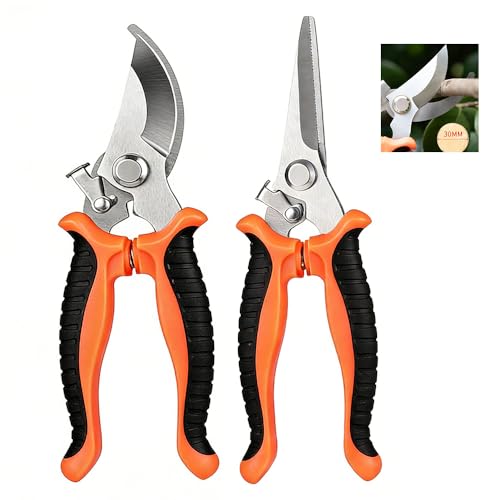
Essential Gardening Tool: This garden pruning shear is specially designed for light cutting tasks. Its blade body is treated with a special craft for smooth, consistently sharp cuts. Equipped with a high-elasticity spring, it opens and closes effortlessly for easy operation.


Premium Material Construction: Crafted from premium carbon steel using exquisite techniques, these tools boast exceptional hardness, resilience to wear, and a robust construction, ensuring long-lasting performance
Tree Species and Varieties
Different tree species respond uniquely to pruning. For example, apple and peach trees often benefit from spring pruning, which promotes new growth and fruiting. Conversely, trees like cherry and plum might experience stress if pruned too late in the season. Research the specific needs of your fruit trees before making cuts.
- Apple Trees: Prune in late spring for robust growth and fruit.
- Peach Trees: Early spring pruning encourages better yields.
- Cherry Trees: Avoid heavy pruning in spring to reduce stress.
Climate and Weather Conditions
Weather significantly affects the timing and method of pruning. Frosty conditions can damage freshly cut branches, while warmer temperatures encourage growth. Observe local climate patterns to determine the best timing for your pruning tasks.
- Frost Dates: Check local frost dates to avoid pruning too early.
- Rainfall Predictions: Avoid pruning just before heavy rain to reduce disease risk.
- Temperature Variations: Monitor temperature fluctuations that can affect tree health.
Using these factors as a guide helps you make informed decisions on pruning fruit trees in spring, maximizing the health and productivity of your garden.
Best Practices for Spring Pruning
Spring pruning can greatly benefit your fruit trees if done correctly. Follow these best practices to enhance your pruning skills.
Recommended Products
14FT POLE TREE PRUNER WITH SAW FUNCTION: Designed primarily for high branch trimming with pull-rope pruning shears, while the integrated saw provides an additional cutting option when needed. This manual tree pruner combines pruning and sawing functions in one long-reach tool for routine tree care in yards, gardens, and orchards.


2-IN-1 Tree Pruner with Saw and Pruning Shears: This manual pole saw combines pruning shears for smaller branches and a durable tree saw for thicker limbs, allowing homeowners to handle different tree trimming tasks with one versatile tool.
Timing Matters
- Early Spring: Prune your trees before buds swell for optimal results. This timing reduces the risk of frost damage after cuts.
- Avoid Late Frosts: Monitor weather forecasts closely. If a late frost threatens, prune beforehand to minimize vulnerability.
Tools and Cleanliness
- Use Sharp Tools: Always use sharp, clean pruning shears and saws. Sharp tools make cleaner cuts that promote faster healing.
- Sanitize Tools: Disinfect tools before and after use. This step prevents the spread of diseases between trees.
Focus on Young Growth
- Identify Young Shoots: Prioritize pruning young shoots over older branches. Young growth produces more fruit and helps shape the tree nicely.
- Thin Out Crowded Areas: Remove branches that cross or overlap. This enhances airflow and light penetration.
Cutting Techniques
- Make Clean Cuts: Cut at a 45-degree angle, about 1/4 inch above a bud. This angle encourages water runoff and reduces the chance of rot.
- Avoid Topping: Refrain from cutting the tops of trees drastically. This practice can stunt growth and introduce stress.
Understand Tree Varieties
- Tree-Specific Practices: Research specific needs for your fruit trees. Apple and peach trees thrive with spring pruning, while cherry and plum trees react better to summer pruning.
- Observe Growth Patterns: Take note of how your trees respond to pruning over the years. Adjust your techniques based on these observations.
- Monitor Tree Health: Check your trees regularly after pruning. Look for signs of stress or disease and address issues promptly.
- Fertilize Appropriately: Consider applying a balanced fertilizer after pruning to support new growth. Follow soil test recommendations for effective results.
Conclusion
Deciding whether to prune your fruit trees in spring can be a bit tricky but with the right knowledge you can make the best choice for your garden. Remember to consider the specific needs of your trees and the local climate conditions.
If you do choose to prune in spring just keep in mind the best practices we discussed to ensure your trees thrive. With a little care and attention your fruit trees can flourish and reward you with a bountiful harvest. Happy gardening and enjoy the fruits of your labor!
Frequently Asked Questions
Is it appropriate to prune fruit trees in spring?
Pruning fruit trees in spring can be beneficial if done correctly. It promotes healthy growth, enhances sunlight exposure, and helps manage disease. However, timing is crucial, as late pruning may expose trees to frost damage.
What are the benefits of spring pruning?
Spring pruning offers several advantages, including improved airflow, better sunlight distribution, enhanced fruit production, and easier identification of branches that need removal. It helps trees maintain health and vitality as they enter the growing season.
Which fruit trees benefit the most from spring pruning?
Apple and peach trees generally respond well to spring pruning, experiencing enhanced growth and fruiting. Conversely, cherry and plum trees can suffer stress from late spring pruning, so timing is essential for all species.
What if I miss the spring pruning window?
If you miss the optimal spring pruning window, it’s best to wait until the tree is dormant in late fall or winter. Pruning during dormancy can help avoid stress and allow the tree to heal efficiently before the next growing season.
What tools are needed for effective spring pruning?
Essential tools for effective spring pruning include sharp pruning shears, loppers, and a pruning saw. Ensure your tools are clean and sanitized to prevent disease transmission and make precise cuts that promote tree health.
How do I make the correct cuts when pruning?
When pruning, make clean cuts at a 45-degree angle to promote healing and reduce disease risk. Avoid topping the tree, as it can stunt growth. Focus on removing dead or diseased branches and encourage young growth for optimal results.
What factors should I consider before spring pruning?
Consider tree species, varieties, local climate conditions, and frost dates. Each species reacts differently to pruning, and understanding these factors will help ensure that your trees thrive and produce well throughout the growing season.
