

Apple trees can thrive in Madison, WI, with careful selection and proper care. Choosing cold-hardy varieties and implementing effective growing techniques ensures successful cultivation in this Upper Midwest climate.
Best Cold-Hardy Apple Varieties for Madison
When considering apple cultivation in Madison, WI, selecting the right cold-hardy varieties is crucial for success. The region’s climate presents unique challenges, but certain apple types thrive in these conditions, offering both resilience and delicious fruit. This section highlights the best options for local gardeners looking to grow apple trees that can withstand the Upper Midwest’s winters.
Choosing the right apple tree variety is crucial for success in Madison’s climate. Cold-hardy varieties can withstand harsh winters and produce fruit in the short growing season. Popular choices include:
Honeycrisp: Known for its sweet flavor and crisp texture.
Haralson: Excellent for pies and cider, with a tart taste.
State Fair: Early ripening and disease-resistant.
These varieties are well-suited for the temperature fluctuations commonly experienced in the region.
Recommended Products

Live Fruit-Bearing Apple Tree – Grow your own Gravenstein apples, a classic heirloom variety known for its sweet-tart flavor and crisp texture, perfect for fresh eating, baking, and cider-making

🍎 Classic Fuji Apple Variety from Seed – Fuji Apple Tree Seeds allow growers to start one of the world’s most loved apple varieties known for its crisp texture and naturally sweet flavor. This long-term growing project is ideal for home orchards, backyard fruit gardens, and growers who enjoy raising trees from seed.

Live Fruit-Bearing Apple Tree – Grow your own Lodi apples, an early-season variety known for its tart, crisp flavor and pale green skin, perfect for fresh eating, applesauce, baking, and cider-making
Madison Climate Insights for Apple Trees
Understanding the climate in Madison, WI is crucial for successfully growing apple trees in this region. The unique weather patterns, including temperature fluctuations and rainfall, play a significant role in determining which apple varieties thrive. This section delves into the specific climate insights that aspiring apple growers in Madison need to consider for optimal fruit production.
Madison experiences a humid continental climate characterized by cold winters and warm summers. Understanding these conditions helps in planning for successful apple tree growth. Key factors include:
Frost Dates: Last frost typically occurs in late May, while the first frost happens in early October.
Growing Season: Approximately 150-180 days, which affects fruit maturation.
Monitoring local weather patterns allows for better timing in planting and harvesting.
| Climate Factor | Description |
|---|---|
| Average Winter Low | -10°F to 0°F |
| Average Summer High | 80°F to 90°F |
| Frost-Free Days | 150-180 |
Soil Preparation for Apple Trees
Preparing the soil is a crucial step for successfully growing apple trees in Madison, WI. The right soil conditions can significantly impact the health and productivity of your trees, making it essential to understand local soil types and necessary amendments. This section will guide you through the best practices for soil preparation tailored to the unique challenges of the Upper Midwest.
Healthy soil is essential for apple tree growth. Proper soil preparation can enhance root development and overall tree health. Follow these steps:
Test Soil pH: Aim for a pH between 6.0 and 7.0.
Amend Soil: Add organic matter like compost to improve drainage and nutrient content.
Tillage: Loosen the soil to a depth of at least 12 inches.
Well-prepared soil supports vigorous growth and fruit production.
Recommended Products

Kindly NOTE: This soil tester can not be applied to test pH value of any other liquid. If the soil is too dry the indicator will not move, and water it before testing.

KNOW BEFORE YOU GROW | Grow the healthiest, sustainable lawn and garden with the most accurate and easy to use professional soil test kit on the market

Accurate Soil pH Testing: Dewildetradingco Soil pH Test Strips offer measurements of soil pH levels (pH 3.5-9). As an essential tool for every gardener and grower, these test strips help determine the optimal pH for various plants, such as outdoor plants, indoor plants, gardens, grass lawns, fruit trees, flowers, vegetables, and forest shrubs.
Optimal Watering Strategies for Apple Trees
When cultivating apple trees in Madison, WI, understanding optimal watering strategies is crucial for their health and productivity. The unique climate and soil conditions of the Upper Midwest require careful attention to moisture levels, ensuring trees receive adequate hydration without the risk of overwatering. This section explores effective techniques to maintain the right balance for thriving apple trees.
Watering apple trees correctly is vital, especially during dry spells. Inconsistent watering can lead to stress and poor fruit quality. Consider these methods:
Drip Irrigation: Provides consistent moisture directly to the roots.
Mulching: Retains soil moisture and regulates temperature.
Deep Watering: Encourages deep root growth by saturating the soil.
Monitor soil moisture levels to ensure trees receive adequate hydration.
Pest and Disease Management Strategies
Managing pests and diseases is crucial for the successful cultivation of apple trees in Madison, WI. The unique climate and environmental conditions of the Upper Midwest present specific challenges that require targeted strategies. Understanding these management techniques can help ensure healthy trees and a fruitful harvest.
Pests and diseases can threaten apple tree health. Proactive management strategies are essential for preventing infestations. Important considerations include:
Regular Inspections: Check for signs of pests like aphids and apple maggots.
Integrated Pest Management: Use a combination of biological, cultural, and chemical controls.
Disease Resistance: Choose varieties with resistance to common diseases like scab and fire blight.
Implementing these strategies minimizes damage and promotes a healthy orchard.
Recommended Products
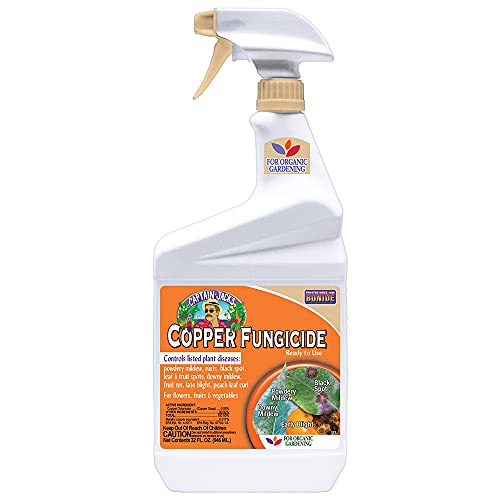
Control fungus and disease in your garden with Captain Jack’s ready-to-use Liquid Copper Fungicide!

TRIPLE PROTECTION FORMULA: 3-in-1 solution kills listed insects, controls listed diseases, and controls listed mites with one easy application

Pruning Techniques for Apple Trees
Pruning is a crucial aspect of apple tree care, especially for those growing in Madison, WI. Proper techniques not only enhance the tree’s health and productivity but also help manage its shape and size. Understanding the best practices for pruning can lead to a more fruitful harvest and a thriving apple tree in the Upper Midwest.
Pruning apple trees is a critical maintenance task that encourages healthy growth and fruit production. Proper pruning techniques include:
Timing: Prune during late winter or early spring before new growth begins.
Techniques: Remove dead or diseased branches and thin out crowded areas.
Shape: Maintain an open center to allow sunlight penetration.
Regular pruning enhances air circulation and reduces disease risk.
| Pruning Technique | Purpose |
|---|---|
| Thinning Cuts | Improve light exposure |
| Heading Cuts | Encourage branching |
| Removal of Suckers | Focus energy on fruit production |
Optimal Apple Harvest Timing in Madison
Understanding the optimal timing for apple harvest in Madison, WI is crucial for maximizing fruit quality and yield. The unique climate and seasonal variations in the Upper Midwest influence when apples reach their peak ripeness. This section delves into the best practices and local insights for determining the right moment to pick apples in this region.
Timing is crucial for harvesting apples at their peak flavor and quality. Different varieties have specific harvest times. General guidelines include:
Color Change: Look for a change in color, indicating ripeness.
Taste Test: Sample fruit to assess sweetness and texture.
Ease of Picking: Ripe apples should come off the tree with slight pressure.
Proper harvesting techniques prevent damage and ensure the best quality fruit for consumption.
