

Have you ever wondered how to successfully transplant blackberries without all the guesswork? Picture this: your backyard brimming with juicy, ripe blackberries, but they’re not thriving as they should. You might be facing the common dilemma of needing to move your blackberry plants to a new location.
In this article, I’ll guide you through the simple yet essential steps to transplanting blackberries with ease. From choosing the right time of year for relocation to ensuring proper soil conditions, you’ll learn everything you need to know to ensure your blackberry bushes flourish in their new home. Stay tuned for expert tips that will help you enjoy a bountiful harvest season after season.
Key Takeaways
- Transplanting blackberries is essential for providing better growing conditions, managing overcrowding, and promoting healthier growth.
- The best time to transplant blackberries is during their dormant season in late fall or early spring to reduce stress on the plants and allow roots to establish.
- Select a suitable location with well-draining soil and full sunlight exposure, prepare the soil with organic matter, and follow proper planting techniques for successful transplantation.
- After transplanting, ensure consistent watering, apply mulch around the base of plants, prune to encourage new growth, and train blackberries for optimal fruit production.
- Address common mistakes like root shock by deep watering post-transplantation and managing plant spacing according to recommended guidelines for healthy growth.
Understanding Blackberry Transplantation
When it comes to blackberry transplantation, understanding the process is key to ensuring the successful relocation of your plants. Let’s delve into why transplanting blackberries is necessary and the best time to carry out this task.
Why Transplant Blackberries?
Transplanting blackberries is essential for various reasons. One primary reason is to allow the plants to thrive in a more suitable environment. By moving them to a new location, you can provide better growing conditions that promote healthier growth and increased fruit production.
Another reason for transplanting blackberries is to manage overcrowding. As blackberry bushes grow, they can become crowded, leading to competition for nutrients and sunlight. Transplanting helps space out the plants adequately, allowing each bush to receive sufficient resources for optimal development.
Best Time to Transplant Blackberries
The best time to transplant blackberries is during their dormant season in late fall or early spring. This period ensures minimal stress on the plants as they are not actively growing or producing fruit. Additionally, cooler temperatures during these seasons reduce the risk of transplant shock and give the roots time to establish themselves before the growing season begins.
Transplanting in late fall allows the roots to settle in over winter, preparing the plants for vigorous growth come springtime. On the other hand, early spring transplantation gives blackberries a head start on establishing themselves in their new location before summer arrives.
By choosing the right time for transplanting your blackberries, you set them up for success in their new environment and pave the way for a fruitful harvest down the line.
Preparing for Transplantation
When it comes to transplanting your blackberries, proper preparation is key to ensuring their successful growth in a new location. Here’s how you can get ready for the transplantation process:
Recommended Products

Kindly NOTE: This soil tester can not be applied to test pH value of any other liquid. If the soil is too dry the indicator will not move, and water it before testing.

Quick, at home results for Soil pH, Nitrogen, Phosphorous and Potash Innovative and inexpensive soil test kit features an easy-to-use capsule system and patented color comparators

Accurate Soil pH Testing: Dewildetradingco Soil pH Test Strips offer measurements of soil pH levels (pH 3.5-9). As an essential tool for every gardener and grower, these test strips help determine the optimal pH for various plants, such as outdoor plants, indoor plants, gardens, grass lawns, fruit trees, flowers, vegetables, and forest shrubs.
Selecting the Right Location
To begin, choose a suitable location that meets the specific needs of blackberry plants. Look for an area with well-draining soil and full sunlight exposure. Blackberries thrive in sunny spots, so find a spot in your garden or yard that receives ample sunlight throughout the day.
Soil Preparation
Before transplanting your blackberries, ensure that the soil is adequately prepared to support their growth. Test the soil pH to determine if any amendments are necessary. Blackberries prefer slightly acidic soil with a pH level between 5.5 and 6.5.
Once you have tested the soil, enrich it with organic matter such as compost or well-rotted manure to improve its fertility and structure. Work the amendments into the soil thoroughly to provide a nutrient-rich environment for your blackberry plants.
By selecting the right location and preparing the soil correctly, you set the stage for a successful blackberry transplantation process that promotes healthy growth and bountiful harvests in the future.
The Transplanting Process
When transplanting blackberries, it’s essential to follow a systematic approach to ensure the successful relocation of your plants. Here are the key steps involved in the transplanting process:
Recommended Products

GARDENING ESSENTIAL: Heavy duty, ergonomic hand trowel ideal for a variety of gardening tasks like digging in tough soil, maintaining your herb garden, digging all holes, turning soil, and more to encourage overall plant health and appearance

TRANSPLANTING SPADE ideal for digging straight down and leveraging root ball out of the ground

Serrated Blade with Inverted V Cutting Tip: Designed with aggressive ripsaw-style teeth and a sharpened V-shaped tip that helps cut through roots, compact soil, and dense ground. Ideal for digging, planting, and root removal in garden beds or landscaping areas.
Digging and Handling Blackberry Plants
To begin, carefully dig around the base of each blackberry plant, ensuring you excavate an adequate root ball to minimize shock during transplantation. Gently lift the plants from the ground, being cautious not to damage the roots in the process. Handle the plants delicately to maintain their health and viability for replanting.
Planting Techniques for Blackberry Plants
Select a new planting site with similar conditions to their original location—well-draining soil and ample sunlight exposure. Dig holes slightly larger than the root balls of your blackberry plants. Place each plant at the same depth as they were previously growing and backfill with soil, pressing gently to remove air pockets.
Water thoroughly after planting to help settle the soil around the roots and provide essential moisture for establishment. Consider applying a layer of mulch around each plant to retain moisture, suppress weeds, and regulate soil temperature.
By following these guidelines for digging up and replanting your blackberries, you can ensure a smooth transition that promotes healthy growth and bountiful harvests in your garden.
Post-Transplant Care
After successfully transplanting your blackberry plants, it’s crucial to provide proper care to ensure their healthy establishment and growth in the new location. Here are essential guidelines for post-transplant care:
Recommended Products

UNIQUE STYLING DESIGN: Fit perfectly with the plants in the pot, the branch shape fits better with the plant itself, allowing PERSZEN monstera plant support suitable for almost all types of potted plants without standing out. The green color of plant trellis indoor makes it easier to blend in with the plants, providing support for your plants without affecting the aesthetics

🌹2 in 1 Garden Trellis -- Our plant trellis can be configured into 2 types of trellising (panel trellis & plant cage), and you also can place 2 or most panels together to form a larger trellis panel or cage. Adjustable structure plant stakes can meet your different plant supports need.
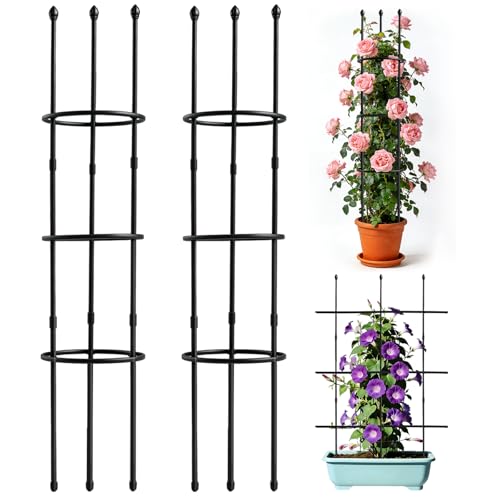
【Two Installation Methods】Our garden trellis can be configured into two types of plant trellis (panel stands and plant cages). You can also combine two or more panels together to form a larger plant stand panel or plant cage. Adjustable plant supports can meet your different plant support needs.
Watering and Mulching
Watering is key to helping newly transplanted blackberries settle into their new environment. Ensure the soil around the plants remains consistently moist but not waterlogged. A good practice is to water deeply a couple of times per week, especially during dry spells.
Mulching plays a vital role in retaining moisture, suppressing weeds, and regulating soil temperature around blackberry plants. Apply a layer of organic mulch such as straw or wood chips around the base of the plants while leaving some space near the stems to prevent rotting.
Pruning and Training Blackberries
Pruning is necessary after transplanting to encourage new growth and shape the plant for optimal fruit production. Remove any damaged or dead canes, as well as weak or overcrowded ones. Focus on maintaining a balance between new primocanes (first-year growth) and older floricanes (fruit-bearing canes).
Training blackberries involves supporting the canes as they grow. Use trellises or stakes to keep the plants upright and promote better air circulation, which helps prevent diseases. Regularly tie up new canes to guide their growth along the support structure.
Common Mistakes and Solutions
When transplanting blackberries, it’s crucial to avoid common mistakes that can hinder the plants’ growth. Here are some typical issues you might encounter and solutions to address them effectively.
Addressing Root Shock
Transplanting blackberries can sometimes lead to root shock, where the plants struggle to adapt to their new environment. This can manifest in wilting leaves, stunted growth, or overall plant decline. To mitigate root shock:
- Solution: Ensure you water the transplanted blackberries deeply immediately after planting. This helps reduce stress on the roots and encourages proper hydration for the plant.
- Solution: Consider using a root stimulant or transplant fertilizer when moving blackberries. These products can aid in root development and enhance the plant’s ability to cope with transplant stress.
Managing Plant Spacing
Improper plant spacing is another common mistake when transplanting blackberries. Incorrect spacing can lead to overcrowding, competition for resources, and reduced fruit production. To manage plant spacing effectively:
- Solution: Follow recommended guidelines for spacing between blackberry plants based on the variety you’re growing. Typically, plants should be spaced around 3-5 feet apart within rows and 8-10 feet between rows.
- Solution: Regularly monitor the growth of your blackberry plants post-transplantation. If you notice overcrowding or excessive competition, consider thinning out some plants or relocating them to ensure adequate spacing for optimal growth.
By addressing these common mistakes proactively and implementing suitable solutions during the transplantation process, you can promote healthy growth and maximize the yield of your blackberry plants in their new location.
Conclusion
Transplanting blackberries may seem daunting, but with the right approach, it can be a rewarding experience. By carefully selecting the location, preparing the soil adequately, and following systematic transplanting steps, you set your blackberry plants up for success. Remember to provide post-transplant care diligently to ensure healthy growth and bountiful harvests. By avoiding common mistakes and implementing proper techniques, you can enjoy thriving blackberry bushes in their new home. Happy gardening!
Frequently Asked Questions
Q: What is the first step in transplanting blackberries?
A: The first step is selecting a suitable location with well-draining soil and full sunlight exposure.
Q: Why is soil preparation important for transplanting blackberries?
A: Soil preparation ensures optimal growing conditions by improving drainage, pH levels, and nutrient availability.
Q: How should I handle blackberry plants during transplanting?
A: Handle blackberry plants carefully by digging around the base, lifting them with intact roots, and minimizing root disturbance.
Q: What care is needed after transplanting blackberries?
A: Post-transplant care includes deep watering a couple of times per week, mulching to retain moisture, pruning for new growth, and training for upright growth.
Q: How can I avoid common mistakes during blackberry transplanting?
A: To avoid mistakes like root shock or improper spacing, water deeply after planting, use root stimulants if needed, follow spacing guidelines, and monitor plant growth closely.
