

Are your fruit trees ready to face the winter chill? If you’ve ever worried about protecting your trees from harsh weather, you’re not alone. Many gardeners find themselves unsure about the best way to keep their beloved trees healthy during the cold months.
Key Takeaways
- Protect Your Trees: Wrapping fruit trees for winter is essential to shield them from extreme temperatures, pests, and physical damage.
- Choose the Right Materials: Utilize breathable materials like burlap or specialized tree wraps to allow air circulation while providing insulation. Avoid plastic wrap unless necessary, as it can trap moisture and heat.
- Proper Wrapping Technique: Start wrapping at the base and move upward, overlapping materials slightly. Make sure the wrap is secure yet not too tight, allowing space for tree growth.
- Regular Monitoring: Check your fruit trees periodically throughout the winter to adjust wraps and ensure they are still secure against heavy snow or ice.
- Pre-wrapping Preparation: Inspect trees for damage, apply fertilizer ahead of time, and ensure adequate watering to promote root health before wrapping.
- Post-Winter Transition: Gradually remove wraps as winter ends to avoid shocking the trees, and prepare them for the warmer spring months.
Importance Of Wrapping Fruit Trees
Wrapping fruit trees for winter protects them from harsh conditions, ensuring their health and longevity. Here are the main benefits of this practice:
Temperature Regulation
Wrapping creates a barrier against cold air. This barrier helps maintain stable temperatures around the tree’s trunk, preventing freeze-thaw cycles that can damage the bark.
Pest Protection
Wrapping shields trees from hungry pests. It deters rodents and insects that might feed on the bark or burrow near the roots, reducing the risk of infestations during the winter months.
Moisture Retention
Wrapping retains moisture in the soil. Properly wrapped trees benefit from a moisture-rich environment, supporting robust root systems that promote healthy growth in spring.
Injury Prevention
Wrapping reduces the chance of physical injuries. Using materials like burlap helps guard against harsh winds and heavy snow, which can snap branches or damage the trunk.
Disease Control
Wrapping helps minimize disease spread. By creating a barrier against pathogens and fungi, you lower the risk of diseases that can weaken or kill your trees.
By understanding these benefits, you can take effective steps to protect your fruit trees during winter.
Materials Needed For Wrapping
Gathering the right materials is crucial for effectively wrapping your fruit trees for winter. Use high-quality products to ensure maximum protection against harsh weather conditions.
Recommended Products

Sturdy Material, Porous and Breathable: our tree wrap is made of jute burlap material. It was light weight so it didn't hurt the plants and keeping them warm saved them from freezing, and dries faster than most wraps after it gets wet so the danger of rotting is broken

Janitorial & Cleaning Supplies

Perfect Size: You will receive 4 rolls of natural jute burlap tree protector wraps, with each roll measuring approximately 16.4 feet in length and 4.7 inches in width. This generous size ensures thorough protection against the cold for your trees, while also offering great convenience in wrapping them. Moreover, the wrap can be easily cut to accommodate multiple trees.
Types Of Wrapping Materials
- Tree Wrap: This paper or cloth-type material protects young trees from temperature fluctuations and moisture loss. Look for wraps specifically designed for trees.
- Burlap: Burlap is durable and breathable. It prevents frost damage and allows air circulation. Wrap burlap around the base and trunk of your fruit trees.
- Plastic Wrap: Use plastic wrap sparingly. It offers moisture retention but can trap heat and lead to rot. Only apply it when absolutely necessary.
- Foam Pipe Insulation: This material provides excellent thermal insulation. Cut foam pipe insulation to fit around the trunk and secure it with tape.
- Mulch: While not a wrapping material, applying a layer of mulch around the tree base retains soil moisture and insulates roots during freezing temperatures.
- Utility Knife: Use a utility knife for cutting wraps and other materials to the desired size.
- Stapler or Tape: Secure the ends of wraps using a heavy-duty stapler or durable tape. This keeps the wrapping in place throughout winter.
- Scissors: Use scissors for precision cutting of lightweight materials like burlap or plastic.
- Measuring Tape: Measure the tree’s trunk circumference before selecting materials. This ensures you purchase the right size wraps.
- String or Twine: Use string or twine to tie wraps securely, especially for larger trunks or burlap.
By having these materials and tools available, you can effectively wrap your fruit trees and provide them with the protection they need during winter.
Steps To Wrap Fruit Trees
Wrapping fruit trees for winter is a straightforward process that helps protect them from the cold. Follow these steps to ensure your trees stay healthy all season long.
Recommended Products

WEATHER PROTECTION: Help new trees overcome harsh weather conditions and grow strong. Dalen Tree Wrap protects against sun-scalding, heat waves, frost cracks, and dry winter winds that can stunt growth and even kill young trees.
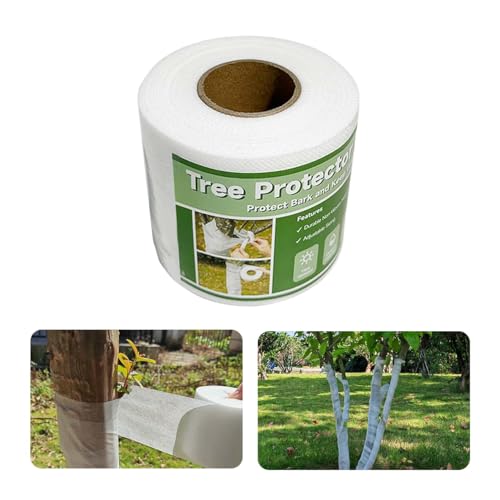
【Convenient and Practical】: Tree trunk protector wrap can protect trees from scorching, animals, insects, trimmer damage and effectively keep trees warm, moisturize and prevent freezing in cold winter

Comprehensive Protection : Weed removal, hedge trimmers and animals can cause irreversible damage to young trees.Our plastic tree trunk protectors provide complete defense, effectively isolating saplings from potential harm caused by deer, rabbits,cats, squirrels, rodents, and lawn mowers
Preparing The Tree
- Inspect the Tree: Check for any damaged branches or signs of disease. Trim away any dead or broken limbs to promote healthy growth.
- Clean the Area: Remove any fallen leaves or debris from around the base of the tree. This helps prevent mold and pests from accumulating.
- Apply Fertilizer: If needed, apply a slow-release fertilizer to strengthen the roots. Fertilizing encourages growth and resilience against harsh weather.
- Water the Tree: Give your tree a deep watering before wrapping. Moist soil helps keep the roots hydrated throughout winter.
- Choose the Right Material: Select a wrapping material, such as tree wrap or burlap. These materials provide adequate insulation and protection.
- Start at the Base: Begin wrapping at the base of the trunk and move upward. Overlap the material slightly as you go to ensure complete coverage.
- Secure the Wrap: Use string or twine to keep the wrap in place. Tie it off securely, making sure the wrap doesn’t come loose during winter storms.
- Create a Top Barrier: If using burlap, consider creating a cover for the top of the tree. This shields against snow accumulation and enables air circulation.
- Check Periodically: Monitor the wrap throughout the winter. Adjust it if any areas come loose, ensuring continual protection against freezing temperatures.
By completing these steps, you enhance your fruit tree’s chances of thriving through winter and promoting fruitful growth come spring.
Common Mistakes To Avoid
Wrapping fruit trees for winter can enhance their protection, but some common mistakes can undermine your efforts. Avoid these pitfalls to ensure your trees stay safe and healthy through the colder months.
Recommended Products

SIZE: You will get 2 rolls of tree protection wrap, each roll is about 65 feet long and 4.7 inches wide. Sufficient length to protect your trees, and plant wraps can be cut for multi-tree protection.

Protect Plants: Natural burlap tree wrap will effectively prevent harmful organisms from invading plants, protect your plants from winter wind, snow, freezing rain and ice damage.

THE SIZE: You will get 3 rolls of tree protection wrap, each roll is about 65 feet long and 4.7 inches wide. Sufficient length to protect your trees, and plant wraps can be cut for multi-tree protection.
Not Inspecting Trees Before Wrapping
Inspect your trees for existing damage. Wrapping a damaged tree can trap moisture and exacerbate issues, leading to rot or disease. Address any wounds or pest infestations before applying the wrap.
Using the Wrong Material
Use appropriate materials for wrapping. Avoid plastic wrap as it can trap heat and moisture, creating an ideal environment for pests and mold. Opt for breathable materials, like burlap or specialized tree wrap, that allow air circulation.
Wrapping Too Tightly
Wrap your trees snugly but not too tightly. Tight wraps can restrict tree growth and limit air flow, which can suffocate the tree. Leave some space for the trunk to breathe.
Ignoring the Base
Don’t neglect the base of the tree. This area is vulnerable to pests and moisture buildup. Extend your wrap down to cover the base, but ensure it doesn’t touch the soil directly, as this can trap moisture.
Forgetting to Check During Winter
Check your wraps periodically. Heavy snow or ice can damage the wrap or cause it to come loose. Make adjustments as necessary, and inspect for signs of moisture buildup or pests.
Applying Fertilizer Too Late
Apply fertilizer before wrapping your trees. Fertilizers support root health and nutrient absorption, which contributes to overall tree vitality. Timing is essential; fertilizing should occur a few weeks before wrapping.
Overlooking Moisture Retention
Water your trees adequately before wrapping. Moisture supports root health, but avoid overwatering, as soggy soil can damage roots. Balance is key for healthy hydration levels.
Failing to Prepare for Transition
As winter ends, prepare for the transition to spring. Remove wraps gradually to prevent shock. Watch for warm days where frost conditions might cause rapid temperature changes.
By avoiding these mistakes, you enhance the chances of your fruit trees surviving harsh winter conditions. Proper preparation leads to healthier trees come spring.
Conclusion
Wrapping your fruit trees for winter is a simple yet effective way to ensure they stay healthy and strong. By taking these steps you’re not just protecting your trees from the cold but also setting them up for a successful growing season ahead.
Remember to choose the right materials and check your wraps periodically. With a little effort you can keep pests at bay and help your trees thrive through the winter months.
So gear up and give your fruit trees the care they deserve. You’ll be rewarded with a bountiful harvest when spring arrives. Happy gardening!
Frequently Asked Questions
Why should I wrap my fruit trees in winter?
Wrapping fruit trees helps regulate temperature, protect against pests, retain soil moisture, reduce physical damage from winter weather, and prevent the spread of diseases. This practice is vital for maintaining tree health during the cold months.
What materials are recommended for wrapping fruit trees?
Recommended materials include tree wrap, burlap, foam pipe insulation, plastic wrap (used sparingly), and mulch for insulation. These materials provide a protective barrier while allowing necessary moisture and air exchange.
How do I wrap my fruit trees effectively?
Start by inspecting the tree for damage and clean the base area. Fertilize and water the tree, then choose your wrapping material. Begin wrapping at the trunk’s base, securing it with string or twine, and ensure the wrap is not too tight. Periodically check the wrap throughout winter.
What common mistakes should I avoid when wrapping fruit trees?
Common mistakes include not inspecting trees for damage, using inappropriate materials, wrapping too tightly, neglecting moisture retention, forgetting to check the wrap, and not preparing for the transition to spring. Avoiding these pitfalls can enhance your tree’s winter survival.
When is the best time to wrap fruit trees for winter?
The best time to wrap fruit trees is before the first significant frost. This ensures that the tree is protected from harsh winter conditions while still having time to adjust before the temperature drops significantly.
