

Have you ever wondered how to grow your own delicious wild blackberries right in your backyard? Picture this: You’re strolling through a sun-kissed garden, plucking ripe blackberries off the vine, savoring their sweet juiciness. Imagine being able to enjoy these flavorful berries whenever you want, knowing they came from seeds you planted yourself.
Key Takeaways
- Understanding the native habitats and varieties of wild blackberries is crucial for successful cultivation from seeds.
- Proper propagation techniques, including scarification and optimal planting times, are essential for germinating blackberry seeds effectively.
- Preparing the planting site with well-draining soil, adequate sunlight, and proper spacing is key to supporting healthy growth of wild blackberry plants.
- Caring for young blackberry plants involves consistent watering, feeding with balanced fertilizer, and strategic pruning to promote fruit-bearing canes.
- Be vigilant against common challenges like pests, diseases, and weather-related issues to maintain the health and productivity of your blackberry plants.
Understanding Wild Blackberries
When it comes to understanding wild blackberries, it’s essential to delve into their native habitats and characteristics as well as the various varieties available. Let’s explore these aspects further:
Native Habitats and Characteristics
Wild blackberries are commonly found in temperate regions like North America, Europe, and Asia. They thrive in diverse habitats such as forests, fields, and along roadsides. These resilient plants are known for their thorny canes that produce delicious berries.
Varieties of Wild Blackberries
There are several varieties of wild blackberries, each with its distinct traits. Some common types include:
- Eastern Blackberry: Found in the eastern U.S., these berries are known for their sweet flavor.
- Evergreen Blackberry: Native to the west coast of North America, these berries have a tart taste.
- Himalayan Blackberry: Originally from Armenia, these invasive berries grow rapidly but offer a rich flavor.
Understanding the native habitats and different varieties of wild blackberries can help you appreciate the diversity within this fruit species and guide your efforts in growing them successfully from seeds.
Propagation Techniques for Blackberries
Growing blackberries from seeds can be a rewarding experience. Here are some essential propagation techniques to help you successfully germinate and plant blackberry seeds.
Germinating Blackberry Seeds
To germinate blackberry seeds, start by scarifying them. This process involves breaking the seed coat to promote germination. You can scarify the seeds by gently rubbing them with sandpaper or soaking them in warm water for 24 hours. After scarification, sow the seeds in a well-draining potting mix, lightly covering them with soil.
Keep the soil consistently moist but not waterlogged during the germination period. Place the pot in a warm location with indirect sunlight. Blackberry seeds typically germinate within 2-3 weeks under optimal conditions. Once the seedlings have developed several leaves, they can be transplanted into individual pots or an outdoor garden.
Best Time to Plant Blackberry Seeds
The best time to plant blackberry seeds is in early spring after the last frost has passed. This timing allows the seeds to establish themselves before the growing season begins. Ensure that the soil temperature is around 70°F (21°C) for successful germination.
Choose a sunny location with well-drained soil for planting blackberries. Prepare the soil by incorporating organic matter and ensuring proper drainage. Plant the seeds at a depth of about 1/4 inch (6 mm) and space them evenly apart.
Water newly planted blackberry seeds regularly but avoid overwatering, as excessive moisture can lead to rotting. With proper care and attention, your blackberry seeds will sprout, grow into healthy plants, and eventually reward you with delicious fruits.
Preparing the Planting Site
When it comes to growing wild blackberries from seeds, preparing the planting site is crucial for their successful development. Here are some key factors to consider:
Recommended Products

NUTRIENT-RICH, NATURAL, AND ORGANIC SOIL: Grow a bountiful garden in your home with the Back to the Roots All-Purpose Natural and Organic Peat-Free 3-in-1 Seed Starting Mix, packed with the nutrients needed for your plants, flowers, and vegetables to thrive

CONTAINS: This organic Seed Stating soil mix is a rich blend of sphagnum peat moss & perlite with yucca extract and lime to ensure correct pH.

Small Body, Big Function: Each package includes 50pcs coco coir pellets, measuring 1.26 inches in diameter, 0.43 inches in height. After adding suitable water, 50pcs pellets will expand into about 3.96 qt fluffy potting soil for indoor plants like succulents, houseplants, flowers, herbs, and more
Soil Requirements
For optimal growth, wild blackberries thrive in well-draining soil that is rich in organic matter. You’ll want to choose a location with loamy soil that retains moisture without becoming waterlogged. Ensure the pH level of the soil is between 5.5 and 7 for ideal conditions.
Sunlight and Spacing Needs
Wild blackberries require plenty of sunlight to flourish, so select a planting site that receives at least 6-8 hours of direct sunlight daily. When spacing out your blackberry plants, allow for adequate airflow by keeping them about 3-6 feet apart within rows and spacing rows around 8-10 feet apart.
By paying attention to these soil requirements, sunlight exposure, and spacing needs, you can create an optimal environment for your wild blackberry seeds to grow into healthy and productive plants.
Caring for Young Blackberry Plants
Caring for young blackberry plants is crucial to ensure their healthy growth and abundant fruit production. Here’s how you can effectively nurture your blackberry plants:
Recommended Products
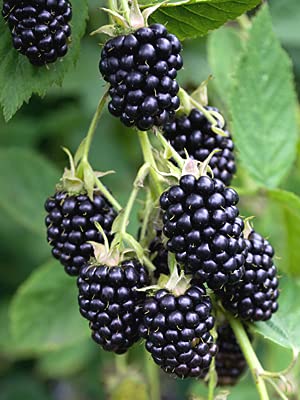
Includes four (4) "Natchez" Blackberry Plants with USPS Shipping. These are 2 inch rooted plants shipped in 2 inch tray pots and are 3-6 inches tall.

Premium Collection: Includes our top 4 blackberry varieties for a diverse and abundant harvest
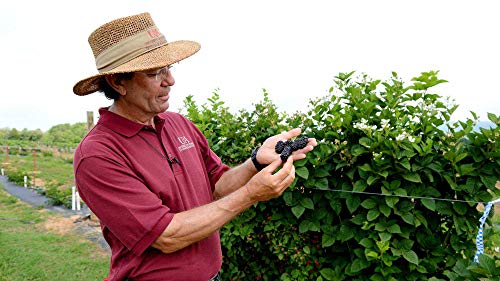
The price includes Four "Prime-Ark Freedom" Blackberry Plants. They are 2 inch rooted plants shipped in 2 inch tray pots and are 3-6 inches tall.
Watering and Feeding
When it comes to watering your young blackberry plants, consistency is key. Make sure the soil remains consistently moist but not waterlogged. During dry periods, aim to provide around 1-2 inches of water per week, either through rainfall or manual watering.
Fertilizing your blackberry plants is essential for optimal growth. In early spring, before new growth appears, apply a balanced fertilizer according to package instructions. Additionally, consider incorporating organic matter such as compost to enrich the soil and provide nutrients gradually.
Pruning and Managing Growth
Pruning plays a vital role in shaping the growth of your blackberry plants and promoting fruit-bearing canes. Start by removing dead or damaged canes in late winter or early spring to encourage new growth. Thin out excess canes to improve air circulation and sunlight penetration within the plant.
To manage the height of your blackberry bushes, prune the primocanes (first-year canes) to around 3-4 feet in late summer or early fall. This encourages lateral branching and facilitates easier harvesting in subsequent seasons.
Common Challenges in Growing Blackberries
When growing blackberries, you may encounter various challenges that can affect the health and productivity of your plants. Here are some common issues to be aware of:
Pests and Diseases
Blackberries are susceptible to pests and diseases that can hinder their growth. Some common pests include spider mites, aphids, and Japanese beetles. These insects can damage leaves, stems, and fruits if not controlled promptly.
To prevent pest infestations, regularly inspect your blackberry plants for any signs of insect activity. Consider using natural predators like ladybugs or introducing organic pesticides to manage pest populations effectively.
In terms of diseases, blackberries can be affected by fungal infections such as anthracnose and botrytis fruit rot. Proper air circulation around the plants, adequate spacing between them, and avoiding overhead watering can help minimize the risk of fungal diseases.
Weather-Related Concerns
Weather conditions play a significant role in the growth of blackberry plants. Excessive rain or humidity can lead to waterlogged soil, causing root rot and other moisture-related issues. On the other hand, prolonged drought can stress the plants and reduce fruit production.
During periods of heavy rainfall, ensure proper drainage in your planting area to prevent waterlogging. Consider mulching around the base of the plants to retain moisture during dry spells while also providing insulation against extreme temperatures.
By staying vigilant against pests, diseases, and weather-related challenges, you can nurture healthy blackberry plants that thrive in various conditions. Regular monitoring and proactive care will help you overcome these common obstacles and enjoy a bountiful harvest of delicious wild blackberries from your own garden.
Conclusion
Growing wild blackberries from seeds can be a rewarding and fruitful experience. By following the right techniques for germination, caring for young plants, and managing common challenges like pests and diseases, you can nurture healthy blackberry bushes that yield delicious fruits. Remember to provide adequate water, nutrients, and maintenance to support their growth. With proper attention and proactive measures, you’ll soon be enjoying a bountiful harvest of juicy blackberries in your own garden. Happy gardening!
Frequently Asked Questions
Q: Where do wild blackberries typically grow?
A: Wild blackberries are native to North America and can be found in various habitats like forests, fields, and along roadsides.
Q: What is scarification, and why is it important for blackberry seeds?
A: Scarification is the process of breaking or softening the seed coat to promote germination. It helps blackberry seeds absorb water and nutrients more easily for successful sprouting.
Q: How should I care for young blackberry plants?
A: Care for young blackberry plants involves regular watering, feeding with balanced fertilizer, pruning to remove dead canes, and managing growth by training them on supports.
Q: What are common pests that affect blackberry plants?
A: Common pests that affect blackberries include spider mites, aphids, and Japanese beetles. Regular monitoring and early intervention are key to preventing damage.
Q: What diseases should I watch out for when growing blackberries?
A: Anthracnose and botrytis fruit rot are common diseases that can affect blackberries. Proper sanitation practices and fungicidal treatments can help prevent their spread.
Q: How do weather conditions impact the growth of blackberry plants?
A: Excessive rain, high humidity, or drought can stress blackberry plants. Implementing proper drainage systems and providing adequate irrigation during dry spells can help mitigate these effects.
