

To grow plenty of guavas, it's important to have the right soil. The best soil pH for guava trees is between 4.5 and 7. But that's just the start.
Good soil management is vital for the health and yield of your guava trees. From testing the soil to using mulch, there are key steps to improve the soil for your guava trees.
Whether you're new to gardening or have been doing it for a while, making the right soil improvements can really help your guava trees thrive.
Key Takeaways
- Conduct a soil test to assess nutrient levels and pH balance before planting guava trees.
- Adjust soil pH levels using organic materials or specific soil amendments to maintain the optimal pH range of 5.5 to 7.
- Incorporate organic matter, such as compost, to enhance soil fertility, structure, and nutrient availability for guava tree growth.
- Utilize mulching techniques with organic or inorganic materials to retain soil moisture, suppress weeds, and regulate soil temperature around guava trees.
Soil Testing for Guava Trees
Before planting guava trees, it's essential to conduct a soil test to assess the soil's nutrient levels and pH balance. Understanding the soil composition will help you determine the appropriate fertilizer application for your guava trees. Guava trees thrive in well-draining soils with a pH level between 5.5 and 7, and a soil test will reveal if any amendments are necessary to meet these conditions.
Upon receiving your soil test results, you can then make informed decisions about the type and quantity of fertilizer needed to optimize the soil for guava cultivation. By tailoring the fertilizer application to the specific needs of the soil, you can create an ideal environment for your guava trees to flourish.
Understanding the soil composition through testing is a crucial step in ensuring the successful growth of guava trees.
Recommended Products

Quick, at home results for Soil pH, Nitrogen, Phosphorous and Potash Innovative and inexpensive soil test kit features an easy-to-use capsule system and patented color comparators

KNOW BEFORE YOU GROW | Grow the healthiest, sustainable lawn and garden with the most accurate and easy to use professional soil test kit on the market

Comprehensive Soil Analysis: Liquid soil test kits offer a comprehensive analysis of essential soil parameters, including pH, ammonia, nitrogen, phosphorus, and potassium. Having all these measurements in one kit provides a holistic understanding of the soil's fertility and health.
Adjusting Soil Ph Levels
To optimize the soil pH levels for your guava trees, consider incorporating organic materials or using specific soil amendments tailored to adjust the acidity or alkalinity. Maintaining the right pH level is crucial for nutrient absorption and overall plant growth.
Here are three effective methods to adjust soil pH levels:
- Add lime to increase soil pH and reduce acidity.
- Integrate elemental sulfur to decrease soil pH and increase acidity.
- Use compost or manure to buffer pH and improve soil structure.
Recommended Products

Raise Soil pH: If your soil pH is too low, plants are unable to absorb nutrients effectively. Earth Science Fast Acting Lime naturally raises soil pH to help plants.

Fast Acting Sulfur: Earth Science Fast Acting Sulfur granules start working immediately to lower the pH of your soil. Help your hydrangeas, azaleas, and blueberries absorb more food and improve fertilizer effectiveness.
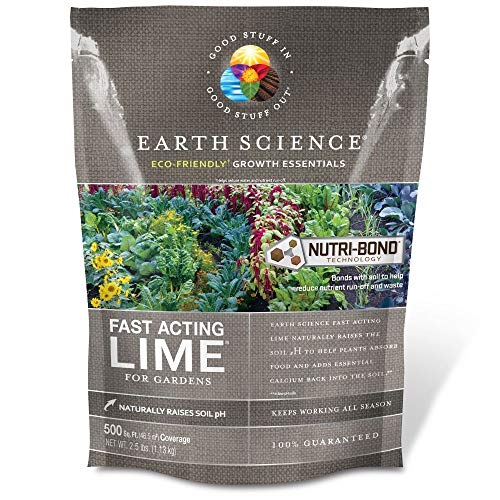
Fast Acting Lime – Fast Acting Lime starts working immediately to raise the pH of your soil, helping grass and other plants absorb nutrients more efficiently, and get your lawn back to looking its best.
Adding Organic Matter to Soil
Consider incorporating organic matter into the soil to enhance its fertility and improve the overall health of your guava trees. Adding compost to the soil can provide numerous benefits.
Composting enriches the soil with essential nutrients, such as nitrogen, phosphorus, and potassium, which are crucial for the healthy growth of guava trees. The organic matter in compost also improves soil structure, promoting better water retention and aeration, which are vital for root development.
Additionally, composting encourages the growth of beneficial microorganisms that aid in nutrient availability for the guava trees.
Recommended Products

Feed the soil not the plants - stimulate microbial activity in your soil and boost probability of success with all types of plants… like composting but faster

NUTRIENT-RICH GROWTH: Premium cow manure compost packed with nitrogen, calcium, and iron. This organic compost fertilizer enriches soil, boosts microbial life, and supports bigger vegetables, greener lawns, and thriving flowers.

Nutrient-Rich Organic Compost for Healthy Soil: Support stronger plant growth with this premium organic compost made from dairy cow manure. This all purpose soil amendment helps replenish essential nutrients often depleted after harvests, making it ideal for vegetable gardens, fruit trees, flowers, lawns and container plants.
Mulching Techniques for Guava Trees
Enhance the fertility and health of your guava trees by utilizing effective mulching techniques that build upon the benefits of incorporating organic matter into the soil for optimal growth and fruit production.
- Mulching Benefits: Retains soil moisture, suppresses weed growth, and regulates soil temperature.
- Types of Mulch: Organic mulches such as wood chips, straw, or compost; inorganic mulches like plastic or stones.
- Mulching Application and Timing: Apply mulch in a 2- to 4-inch layer around the base of the tree, ensuring it doesn't touch the trunk. Mulch in spring to conserve moisture and suppress weeds, and in fall to insulate roots during winter.
Utilizing the right mulching techniques not only aids in retaining moisture and controlling weeds but also provides insulation for the roots. This simple practice can significantly contribute to the overall health and productivity of your guava trees.
Watering and Drainage Considerations
Ensure your guava trees receive proper watering and maintain good drainage to support healthy growth and fruit production. When it comes to irrigation techniques, consider using drip or soaker hoses to deliver water directly to the root zone, minimizing water loss through evaporation. Avoid overhead watering, as it can lead to leaf diseases. Additionally, monitor soil compaction, which can hinder drainage and root growth. To improve drainage, consider incorporating organic matter, such as compost, into the soil to enhance its structure. Here's a simple guide to help you gauge soil moisture and drainage:
| Moisture Level | Action |
|---|---|
| Too Dry | Increase watering frequency |
| Adequate | Maintain current watering schedule |
| Too Wet | Adjust watering schedule and improve drainage |
| Soggy | Improve soil drainage and consider reducing watering frequency |
Conclusion
Incorporating these soil improvement techniques will provide your guava trees with the essential nutrients and environment they need to thrive.
By testing and adjusting the soil pH, adding organic matter, mulching, and optimizing watering and drainage, you can create an ideal setting for your guava trees to flourish.
With these simple steps, you'll be well on your way to enjoying a bountiful and healthy guava harvest.
Happy gardening!
