

Fig trees thrive in Lexington, KY, with the right care and attention. To ensure successful growth in the Bluegrass Region, focus on proper planting, watering, and winter protection strategies.
Best Fig Tree Varieties for Lexington Climate
When selecting fig trees for the unique climate of Lexington, KY, it’s essential to consider varieties that thrive in the Bluegrass region. The right choices can lead to fruitful harvests and resilient plants, making it easier for gardeners to enjoy the sweet rewards of their efforts. Here are some of the best fig tree varieties suited for this area.
Selecting the right fig tree variety is crucial for success in Lexington’s climate. Certain varieties are better suited to withstand the local weather conditions and soil types. Commonly recommended varieties include:
Brown Turkey: Known for its adaptability and sweet fruit.
Celeste: Produces small, sweet figs and is cold-hardy.
Kadota: Offers a mild flavor and is productive.
Understanding these varieties helps in making an informed choice for your garden.
Optimal Fig Tree Planting Techniques
Planting fig trees in Lexington, KY requires careful consideration of the local climate and soil conditions. Understanding the optimal techniques for planting can significantly enhance the chances of successful growth and fruit production. This section will explore the best practices for establishing fig trees in the Bluegrass region, ensuring they thrive in their new environment.
Proper planting techniques significantly impact fig tree health and productivity. Choose a location that receives full sun and has well-draining soil. Follow these steps for optimal planting:
Select a healthy sapling from a reputable nursery.
Dig a hole twice the width and the same depth as the root ball.
Mix organic compost into the soil to improve fertility.
Place the sapling in the hole, ensuring the root crown is level with the soil surface.
Fill the hole with soil and water thoroughly.
Ensure the tree is well-anchored and monitor for any signs of stress after planting.
Optimal Watering Strategies for Fig Trees
Effective watering is crucial for the health and productivity of fig trees in Lexington, KY. Understanding the specific needs of these trees in the Bluegrass region can help ensure they thrive in the local climate. This section explores the best practices for watering fig trees to promote robust growth and fruiting.
Watering is essential for fig tree growth, especially during the hot summer months. A consistent watering schedule helps maintain soil moisture without waterlogging. Consider the following:
Frequency: Water deeply once a week during dry spells.
Soil Check: Test the top inch of soil; if dry, it’s time to water.
Mulching: Apply a layer of mulch to retain moisture and suppress weeds.
Adjust your watering based on rainfall and temperature fluctuations.
Recommended Products

Revolutionary Anti-freeze Protection: Plant covers freeze protection is made of 100% Reliable non-woven thickened polypropylene fabric Because the frost cloth fabric Thickness is 3.2 oz/yd² thicker and warmer, tear resistant than less expensive 1.3 oz/yd² fabric. Provides up to 2° F(-17℃) frost protection. In winter, frost blankets for outdoor plants can form a insulation layer for plants to isolate cold air and retain the oxygen required for plant respiration

Extra Thick Tree and Plant Covers for Winter: Scrubits Frost Blankets for outdoor plants and Trees will ensure that your Trees and large plants not only survive the winter but thrive and grow to blossom. With its extra thick fabric and long-lasting material, you can be confident about next year's harvest.
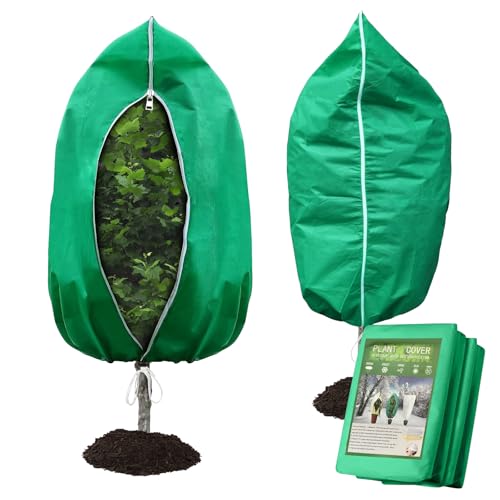
🌬️ Ultimate Cold Weather Protection:Crafted from thick 2.8oz/yd² non-woven fabric, our HEKIWAY plant freeze covers shield your trees and plants from frost, snow, wind, and ice. A reliable barrier for harsh winters, ensuring your greenery survives and thrives
Winter Protection Strategies for Fig Trees
In Lexington, KY, winter can pose significant challenges for fig trees, which thrive in warmer climates. To ensure these trees survive the colder months, it’s essential to implement effective protection strategies. This section outlines practical methods to safeguard your fig trees against harsh winter conditions, helping them flourish in the Bluegrass region.
Winter protection is vital for fig trees in Lexington due to potential frost damage. Implementing protective measures can ensure a healthy tree come spring. Follow these guidelines:
Wrap the trunk with burlap to shield against cold winds.
Apply mulch around the base to insulate roots.
Cover with a frost cloth during extreme temperature drops.
Regularly check for signs of damage and adjust protection as needed.
Pest and Disease Monitoring for Fig Trees
Maintaining healthy fig trees in Lexington, KY, requires vigilant monitoring for pests and diseases that can threaten their growth. Understanding the specific challenges posed by the Bluegrass region will help you identify potential issues early and implement effective management strategies. This section outlines key indicators to watch for and offers practical solutions to ensure your fig trees thrive.
Fig trees are susceptible to various pests and diseases that can hinder growth. Regular monitoring can help catch issues early. Key concerns include:
Fig Beetles: These pests can damage young fruit.
Root Rot: Caused by overwatering or poor drainage.
Leaf Spot: Fungal infections that affect foliage.
Implement integrated pest management strategies to keep your fig trees healthy.
Recommended Products

3-IN-1 PLANT CARE: 3-In-1 Insect, Disease & Plant Mite Control provides insect control, disease control, and plant mite control all in one; Rainproof protection starts in 4 hours and lasts up to 14 days

3-in-1 FORMULA: Aphid spray for outdoor plants for use on roses, flowers, shrubs and trees to control listed insects, disease and mites
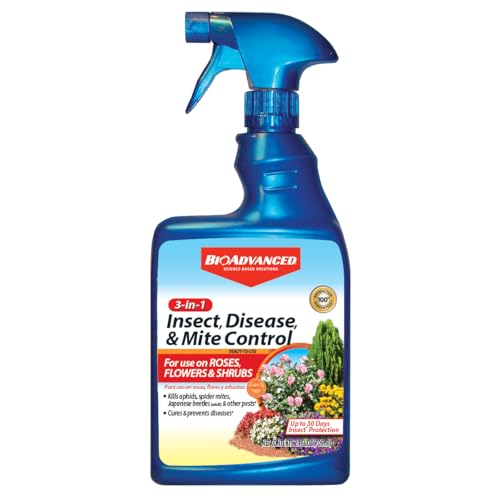
INSECT KILLER: Army worm killer. Also kills insects such as Aphids, Spider Mites, Japanese Beetles, Caterpillars, and other listed insects
Balanced Fertilization for Fig Trees
Balanced fertilization is crucial for the health and productivity of fig trees in Lexington, KY. Understanding the specific nutrient needs of these trees can enhance growth and fruit quality, ensuring they thrive in the unique conditions of the Bluegrass region. This section will explore effective fertilization strategies tailored for optimal fig tree development.
Fertilization plays a crucial role in promoting healthy growth and fruit production. Use a balanced fertilizer to provide essential nutrients. Follow these steps:
Choose a slow-release fertilizer designed for fruit trees.
Apply in early spring before new growth begins.
Follow the recommended dosage on the package.
Regular fertilization ensures your fig trees receive the nutrients they need throughout the growing season.
Fig Tree Care Recommendations in Lexington
Caring for fig trees in Lexington requires a tailored approach to thrive in the unique climate of the Bluegrass region. Understanding local conditions, including soil type and seasonal weather patterns, is essential for successful cultivation. This section provides practical recommendations to help both novice and experienced gardeners nurture their fig trees effectively.
| Care Aspect | Recommended Action | Frequency |
|---|---|---|
| Planting | Use organic compost | Once |
| Watering | Deep watering | Weekly |
| Winter Protection | Wrap trunk and mulch | Seasonal |
| Pest Monitoring | Check for pests and diseases | Weekly |
| Fertilization | Apply slow-release fertilizer | Spring |
Implementing these strategies will help ensure your fig trees thrive in Lexington’s unique climate. Regular care and attention will lead to fruitful harvests and a healthy garden.
