

Do you want your fruit trees to thrive and produce a bountiful harvest next season? Trimming them in the fall is a crucial step many overlook. It’s the perfect time to shape your trees and promote healthy growth while preparing them for winter.
Key Takeaways
- Optimal Timing: Trimming fruit trees in the fall is crucial for promoting healthy growth and preparing them for winter conditions.
- Health Benefits: Fall pruning improves air circulation, sunlight exposure, and tree structure, leading to enhanced fruit quality and increased spring growth.
- Essential Tools: Use the right tools, including pruning shears, loppers, and safety gear, to ensure effective and safe trimming.
- Proper Techniques: Employ correct trimming techniques to promote healing and reduce disease risk by making clean cuts at an angle and avoiding stubbing.
- Common Mistakes: Avoid over-trimming, improper cuts, and neglecting safety and cleanup to maximize the benefits of fall pruning.
- Preparation and Maintenance: Assess the tree’s health and maintain tools for optimal performance, ensuring a successful trimming process and better harvest outcomes.
Benefits Of Trimming Fruit Trees In The Fall
Trimming fruit trees in the fall offers several advantages that enhance their health and productivity.
Improved Air Circulation
Improved air circulation reduces moisture buildup around the tree. This helps prevent fungal infections and promotes healthy growth.
Enhanced Sunlight Exposure
Enhanced sunlight exposure allows better light penetration into the tree canopy. This leads to more even fruit ripening and higher quality yields.
Better Shape and Structure
Better shape and structure encourage strong branch development. Well-shaped trees support heavier fruit loads and reduce the risk of breakage.
Preparation for Winter
Preparation for winter strengthens trees against harsh conditions. Reducing excess weight on branches minimizes damage from snow and ice accumulation.
Increased Spring Growth
Increased spring growth comes from focused energy use. The tree reallocates nutrients toward developing strong, healthy shoots and fruit buds.
Pest Management
Pest management becomes easier with trimmed trees. Removing dead or diseased wood eliminates habitats for pests, leading to a healthier tree overall.
Disease Prevention
Disease prevention benefits from enhanced light and air circulation. This limits conditions favorable to pathogens, ensuring trees stay robust throughout the growing season.
Tools Needed For Trimming
Before you start trimming your fruit trees in the fall, gather the right tools to ensure an effective and efficient process.
Recommended Products
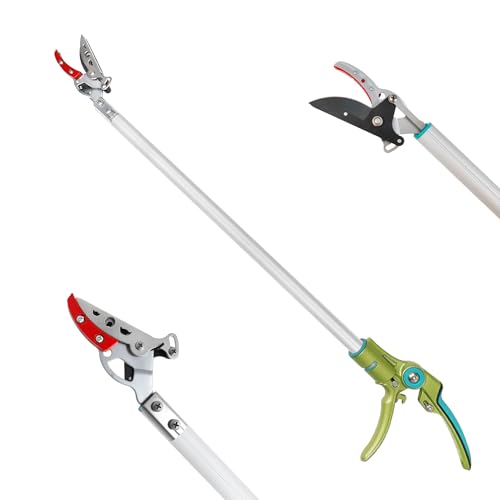
[REACH HIGH & STAY SAFE](No Ladder Required) Say goodbye to wobbly ladders! This 32inch long reach pole pruner offers an extra 30 inches of safe reach, allowing you to prune high branches or tall fruit trees while standing firmly on the ground. It’s the perfect extension tool for maintaining your backyard without the risk of falling.
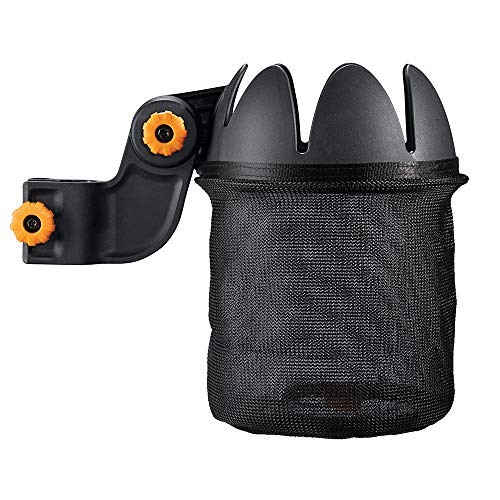
Fiskars Fruit Picker Basket harvests fruit from tall trees without bruising or scratching

SUPER LIGHTWEIGHT CUT AND HOLD PRUNERS SET: Our Long Reach Pruner weighs 0.79lbs, appropriate length 32 inch is suitable for relaxed cutting. When you deal with twiggy young tree branches, leaves, fruit spur or fence, one hand is enough. There has a minor hand pruner in this set can solve your lower pruning, a bonus garden glove can protect your hand.
Essential Pruning Tools
- Pruning Shears: Use bypass pruning shears for clean cuts on branches up to ¾ inch thick. Choose ergonomic designs for comfort during extended use.
- Loppers: Select loppers for thicker branches, usually between ¾ inch and 2 inches. The long handles provide better leverage and reach.
- Hand Saws: Opt for a hand saw when dealing with larger branches over 2 inches. A sharp, high-quality saw will help you make precise cuts.
- Pole Pruner: For tall trees, consider a pole pruner. It allows you to trim high branches without the need for a ladder.
- Rake and Tarps: Use these for cleanup. Rakes collect fallen leaves and debris, while tarps make it easy to gather and dispose of cut branches.
- Gloves: Wear durable gloves to protect your hands from cuts and scrapes while handling tools and branches.
- Safety Glasses: Protect your eyes from flying debris by wearing safety goggles during trimming.
- Hard Hat: If trimming larger trees, especially near high branches, consider a hard hat for safety against falling limbs.
- Sturdy Boots: Choose slip-resistant boots with good ankle support. This helps with traction on uneven ground and during tree climbing.
- First Aid Kit: Keep a first aid kit nearby for quick access to treat any potential injuries.
With these tools and equipment, you’re ready to tackle your fall fruit tree trimming effectively and safely.
Step-By-Step Guide On How To Trim Fruit Trees In The Fall
Trimming fruit trees in the fall requires careful assessment and technique. Follow these steps to ensure a healthy tree and a bountiful harvest.
Recommended Products

1:EXTENDABLE REACH FOR LADDER-FREE SAFETY – Acting as both a reliable tree pruner and a fruit picker pole, this tool effortlessly extends from 3.28 to 5.25 FT to reach high branches up to 10 FT from the ground. The innovative rotating and locking head allows for precise angles without unstable ladders or risky stretching, ensuring maximum safety.

Versatile Cutting Applications: Suitable for precision pruning of branches, tall hedges, and dense bushes, as well as delicate tasks like pruning flowers and harvesting fruit

2 in 1 Grafting Pruning Pliers: The sharp and durable stainless steel blade with a anti-skid handle allows you to cut scion and stock better
Assessing The Tree’s Condition
Check your tree’s overall health before trimming. Look for signs of disease, damage, or stress.
- Identify dead or diseased branches by inspecting for discoloration or decay.
- Examine the tree structure to spot weak or crossing branches that may hinder growth.
- Review the height and spread of the tree for appropriate adjustments.
Determining Which Branches To Trim
Select branches wisely to enhance growth and fruit quality. Follow these guidelines for effective trimming.
- Cut dead or dying branches to promote new growth. These branches sap energy without producing fruit.
- Remove any crossing branches that rub against each other, reducing the chance of injury and disease.
- Trim back overly crowded branches to improve air circulation and sunlight access. Aim for balanced spacing between branches.
- Focus on branches growing toward the center of the tree. This encourages a more open canopy and better fruit production.
Proper Trimming Techniques
Use appropriate techniques to ensure clean cuts and promote healing.
- Hold your pruning shears or loppers at a slight angle while cutting. This technique helps the tree heal efficiently.
- Make cuts just above a healthy bud or branch. This encourages new growth in the desired direction.
- Avoid leaving stubs, as they can harbor disease. Make clean cuts parallel to the branch collar.
- Familiarize yourself with the ‘three-cut method’ for larger branches. First, make an undercut a few inches from the trunk. Then make a top cut further out. Finally, remove the stub with a clean cut at the trunk.
By following these steps, you’ll ensure your fruit trees are well-trimmed and ready for a productive growing season.
Common Mistakes To Avoid When Trimming
Avoiding these common mistakes can enhance the effectiveness of your fall fruit tree trimming:
Not Assessing Tree Health
Check for signs of disease, pest infestations, or physical damage before trimming. A healthy tree responds better to pruning.
Trimming at the Wrong Time
Fall is ideal, but avoid trimming if your area experiences unseasonably warm weather, which can trigger new growth. Stick to late fall for optimal results.
Over-Trimming
Remove no more than 20-30% of the tree’s foliage in one session. Excessive trimming can stress the tree and hinder growth.
Making Improper Cuts
Ensure clean cuts at a slight angle to prevent water accumulation. Avoid leaving stubs, as these can become entry points for pests and diseases.
Forgetting Safety
Always wear safety gear. Gloves, safety glasses, and sturdy boots protect you from injuries while working with sharp tools.
Ignoring Cleanup
Don’t overlook the importance of cleaning up after trimming. Collect all cut branches and leaves to prevent attracting pests and diseases. Use a rake and tarp for easy cleanup.
Skipping Tool Maintenance
Ensure tools are sharp and clean before use. Dull tools can cause jagged cuts, which harm the tree. Regular maintenance extends the life of your equipment and improves performance.
Neglecting Tree Shape
Maintain the natural shape of the tree. Focus on opening the center for better sunlight and air circulation while preserving the tree’s overall appearance.
Pruning Randomly
Plan your cuts strategically. Start by removing dead or crossing branches, then assess for length and shape. This methodical approach fosters better growth outcomes.
By steering clear of these common errors, you can promote healthier, more productive fruit trees during the fall trimming process.
Conclusion
Trimming your fruit trees in the fall is a rewarding task that sets the stage for a bountiful harvest next year. By following the right techniques and using the right tools you can promote healthy growth and prevent potential issues down the line.
Remember to prioritize safety and take your time to assess each tree’s condition before making any cuts. With a little patience and care you’ll not only improve the health of your trees but also enjoy the beauty of your garden during the winter months.
So grab your tools and get ready to nurture your trees into a fruitful future. Happy trimming!
Frequently Asked Questions
Why is it important to trim fruit trees in the fall?
Trimming fruit trees in the fall helps shape the trees, encourages healthy growth, and prepares them for winter. This seasonal trimming improves air circulation, enhances sunlight exposure, and supports strong branch development, leading to better fruit yield in the spring.
What tools do I need for trimming fruit trees?
Essential tools for trimming fruit trees include bypass pruning shears for small branches, loppers for medium branches, and hand saws for larger ones. A pole pruner is useful for tall trees, while rakes and tarps assist in cleanup.
What safety precautions should I take while trimming trees?
Always wear safety gear such as gloves, safety glasses, a hard hat, and sturdy boots. Make sure to have a first aid kit available in case of any injuries while trimming.
How do I assess a fruit tree before trimming?
Examine the tree for signs of disease, damage, or stress. Check the overall health of the tree and identify branches that need trimming to enhance growth and fruit quality.
What are common mistakes to avoid when trimming fruit trees?
Avoid neglecting tree health assessments, trimming at the wrong time, over-trimming, making improper cuts, and skipping safety precautions. Also, ensure to clean up afterward and maintain your tools for best results.
