

Ever wondered why your fruit trees aren’t thriving like they should? You’re not alone. Many gardeners face challenges with their trees, from pest problems to nutrient deficiencies. It can be frustrating to see your hard work go unrewarded, but the good news is that with the right care, you can turn things around.
Key Takeaways
- Understand Fruit Trees: Different types of fruit trees (deciduous, evergreen, and semi-evergreen) have unique care requirements that are essential for thriving growth.
- Identify Common Problems: Regular inspections for diseases and pests, such as fungal infections, bacterial blight, and infestations of aphids and spider mites, are crucial in maintaining tree health.
- Prepare for Treatment: Proper preparation includes gathering essential tools like pruning shears, sprayers, and fertilizers, and timing your interventions for effective results.
- Implement Treatment Methods: Utilize a mix of pruning, organic treatments (like neem oil), and chemical treatments as needed to combat pests and diseases effectively.
- Focus on Post-Treatment Care: Consistent watering and fertilization, along with regular health monitoring, are vital for recovery and ensuring fruitful yields after treatment.
- Stay Informed: Adapt your care strategies based on local climate and specific tree needs to maximize their growth potential and fruit production.
Understanding Fruit Trees
Fruit trees require specific care to thrive, and understanding their needs is crucial. Different types of trees have diverse requirements, and being aware of common challenges helps you maintain their health.
Types of Fruit Trees
Fruit trees generally fall into three categories:
- Deciduous Trees: These trees, like apple and peach, lose leaves in fall. They require a chilling period during winter to produce fruit the following year.
- Evergreen Trees: Citrus trees, such as oranges and lemons, remain green year-round. They thrive in warmer climates and require frequent watering.
- Semi-Evergreen Trees: Figs and pomegranates often retain some foliage in winter. They adapt well to various climates but need protection from extreme cold.
Selecting the right type based on your locality ensures your trees flourish. Evaluating soil, climate, and space also aids in successful planting.
Common Diseases and Pests
Managing diseases and pests is vital for fruit tree health. Common problems include:
- Fungal Diseases: Powdery mildew affects many fruit trees. Ensure good air circulation and apply fungicides when necessary.
- Bacterial Infections: Bacterial blight targets stone fruits. Prune affected branches and apply appropriate treatments to limit spread.
- Pests: Aphids and spider mites often infest trees. Regular inspections enable early detection. Use insecticidal soap or neem oil for control.
- Squirrels and Birds: These pests can damage fruits. Employ netting or decoys to protect your harvest.
Implementing preventative measures, such as proper pruning and regular inspections, lessens the likelihood of disease and pest infestations. Knowing how to identify and address these issues helps you maintain productive fruit trees.
Preparing for Treatment
Preparing for treatment involves gathering the right tools and understanding the timing for your fruit tree care. This preparation ensures you tackle any problems effectively and nurture your trees properly.
Recommended Products

LONG-LASTING SHARPNESS: Japanese SK5 bypass blade with titanium coating is tested through 5,000 cuts to maintain a sharp edge and deliver clean, consistent cuts on live stems and branches

Reduce Hand Strain: These micro tip snips are made to reduces hand fatigue which makes them great for those with arthritis, carpal tunnel, hand or wrist issues; Comfortable “grip” handles will make it easy to work for long-time use without making you feel hand pain

DUAL CUTTING POWER: VERSATILE PRUNING COMBO --- With both Pruning Shears and Pruning Snip, this combo delivers unmatched versatility. Whether you're delicately trimming flowers and shrubs, tackling thicker tree branches, or tending to your vegetable and fruit garden, our combo pack excels in all areas. They're also perfect for landscaping projects and maintaining the health and appearance of indoor plants. With this pack, you have a versatile tool that simplifies your gardening tasks.
Essential Tools and Supplies
Gather essential tools and supplies before starting treatment. You need:
- Pruning Shears: Use for trimming branches and removing dead or diseased wood.
- Sprayers: Choose a hand-held or backpack sprayer for applying treatments evenly.
- Garden Gloves: Protect your hands while handling tools and chemicals.
- Fertilizers: Select specific fertilizers that match your trees’ nutrient needs.
- Soil Test Kits: Test your soil’s pH and nutrient levels.
- Watering Can or Hose: Ensure consistent watering during treatment.
Make sure all tools are clean and ready to use. This prevents contamination and enhances treatment effectiveness.
Timing and Seasonality
Timing affects the success of treating fruit trees. Implement treatments during the appropriate seasons:
- Spring: Ideal for pruning and fertilizing as trees begin active growth.
- Summer: Monitor for pests and diseases. Apply treatments when signs appear.
- Fall: Fertilize trees to prepare for winter. This strengthens roots and supports spring growth.
- Winter: Conduct dormant pruning for deciduous trees and apply protective sprays against pests.
Check local climate conditions. Adjust treatment timing based on weather patterns, ensuring trees receive maximum benefit from your care efforts.
Treatment Methods
Successful treatment of fruit trees involves specific methods tailored to their unique needs. Proper care ensures healthy growth and fruitful yields.
Recommended Products

FUNGAL DISEASE CONTROL: Prevents and controls black spot on roses, powdery mildew, rust, downy mildew, and other listed fungal diseases when applied on a 7–14 day schedule

Protect your oasis with Captain Jack’s Neem Max Concentrate; this multipurpose product acts as a 4-in-1 insecticide, fungicide, miticide and nematicide

Protect your oasis with Captain Jack’s Neem Max Ready-to-Use Spray; this multipurpose product acts as a 4-in-1 insecticide, fungicide, miticide and nematicide
Pruning and Maintenance
Pruning maintains tree shape and encourages growth. Trim dead or diseased branches to improve air circulation. Execute major pruning in late winter, just before new growth begins. Remove suckers near the base of the tree. Thin out crowded branches to let sunlight in. Regular maintenance includes checking for signs of pests and diseases, as early detection prevents larger issues.
Organic Treatments
Organic treatments utilize natural substances to improve tree health and combat pests. Apply compost to enhance soil fertility. Use neem oil for pest control; it targets insects without harming beneficial ones. Encourage beneficial insects such as ladybugs to manage aphid populations naturally. Implement crop rotation, planting cover crops in between fruit trees to restore soil nutrients and disrupt pest life cycles.
Chemical Treatments
Chemical treatments can effectively manage severe infestations or diseases. Use fungicides to combat fungal infections, applying them according to label instructions. Select pesticides designated for fruit trees; timing matters. Apply treatments during cooler parts of the day to reduce harm to beneficial insects. Always follow safety precautions and local regulations when applying chemicals to protect yourself, your trees, and the surrounding ecosystem.
Post-Treatment Care
Post-treatment care is essential for ensuring your fruit trees thrive after addressing any pest or nutrient issues. Proper watering and fertilization practices, along with consistent health monitoring, contribute to their overall growth and productivity.
Recommended Products

Accurate Soil Moisture Detection: The XLUX Soil Moisture Meter can tell you if the soil deep inside your pot or garden is dry, moist or wet; whereas your eyes and fingers can only determine the moisture level of the soil surface. The probe is 5.5 inches (14 cm) longer than regular styles, allowing it to measure the soil moisture at the bottom of larger and deeper flower pots.
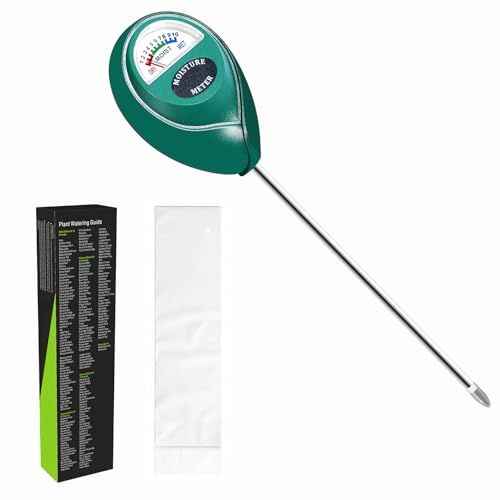
Trusted Since 2015: Become one of the many plant lovers who rely on the proven accuracy of XLUX. Established in 2015, our soil moisture meter has earned over 60,000+ verified ratings for its consistent performance. While many many newer brands come and go, we provide the long-term reliability and quality that American households have trusted for over a decade.

Kindly NOTE: This soil tester can not be applied to test pH value of any other liquid. If the soil is too dry the indicator will not move, and water it before testing.
Watering and Fertilization
Water your fruit trees deeply during the growing season. Aim for about 1-2 inches of water weekly, adjusting based on rainfall. Ensure moisture reaches the root zone, usually 12-18 inches deep. For younger trees, watering more frequently helps establish strong roots.
Fertilization also plays a critical role. Use a balanced fertilizer with equal parts nitrogen, phosphorus, and potassium. Apply it in early spring and again in late summer. Follow the manufacturer’s guidelines on dosage. Organic options like compost or well-rotted manure can improve soil structure and nutrient content.
Monitoring Tree Health
Monitor your fruit trees regularly for signs of stress or disease. Check leaves for discoloration, wilting, or spots. Inspect branches for unusual growth or damage. A healthy tree shows vibrant leaves and robust growth.
Check the soil for moisture levels. Avoid overwatering, which can lead to root rot. Use a soil test kit to assess nutrient levels and pH balance. Adjust fertilization based on test results for optimal growth.
Stay vigilant about pests, inspecting both the bark and foliage. If you notice an uptick in insect activity, consider employing organic pest control methods or traps as needed. Consistent monitoring ensures early intervention, keeping your fruit trees healthy and productive.
Conclusion
With a little dedication and the right approach your fruit trees can flourish and bear delicious fruit. Remember to tailor your care to the specific needs of your trees and stay proactive in addressing any issues that arise.
Regular monitoring and timely interventions can make all the difference in maintaining their health. Whether you’re using organic treatments or following seasonal guidelines your efforts will pay off in the long run.
So grab those pruning shears and get started on nurturing your trees. You’ll enjoy the rewards of your hard work when you see them thrive and produce fruit for years to come. Happy gardening!
Frequently Asked Questions
What are common issues with fruit trees?
Fruit trees often experience pest problems, nutrient deficiencies, and diseases like fungal infections and bacterial issues. Understanding the specific needs of your tree type can help address these challenges effectively.
How can I improve the health of my fruit trees?
Improving the health of your fruit trees involves proper care, including regular pruning, using suitable fertilizers, and monitoring for pests. Timely actions throughout the seasons can significantly enhance tree productivity.
What types of fruit trees exist?
Fruit trees are categorized into three main types: deciduous, evergreen, and semi-evergreen. Each type has unique care requirements relative to climate and maintenance, requiring specific attention to thrive.
What tools do I need for maintaining fruit trees?
Essential tools for fruit tree maintenance include pruning shears, sprayers, garden gloves, fertilizers, soil test kits, and proper watering equipment. Keeping these tools clean is crucial to preventing contamination.
When should I prune my fruit trees?
Pruning is best done in spring and winter. Spring pruning encourages new growth, while winter pruning helps prepare trees for the dormant season. Timing is essential for optimal health.
How often should I water my fruit trees?
During the growing season, it’s recommended to deep water your fruit trees 1-2 inches weekly. Adjust your watering based on natural rainfall and soil moisture conditions for best results.
What organic treatments can I use for pests?
Organic treatments like neem oil and compost application can effectively control pests and enhance the health of fruit trees. These options promote natural growth while being environmentally friendly.
What post-treatment care do fruit trees need?
After treatment, fruit trees require proper watering and fertilization. Monitor soil moisture levels, and use balanced fertilizers in early spring and late summer to support ongoing health and productivity.
