

Are you dreaming of homegrown fruit but unsure where to start? You’re not alone. Many people want to plant fruit trees but struggle to find the best places to buy them. Whether you’re looking to add a splash of color to your yard or enjoy fresh apples in the fall, knowing where to shop can make all the difference.
Key Takeaways
- Types of Fruit Trees: Familiarize yourself with various fruit tree categories, including deciduous (like apples), evergreen (such as citrus), stone fruits (like cherries), and pome fruits (like pears), to make informed choices based on your preferences and climate.
- Growing Conditions: Ensure the selected fruit trees match your local climate, utilize well-draining soil, and receive at least six hours of direct sunlight daily for optimal growth.
- Maintenance Practices: Regularly water, prune, and fertilize your trees to promote healthy growth. Deep watering once a week, pruning in early spring, and applying balanced fertilizer are essential practices.
- Where to Buy: Consider local nurseries for in-person selections and advice, online retailers for variety and convenience, and garden centers for combination purchases with gardening supplies.
- Tree Health: Prioritize purchasing healthy, quality trees by inspecting for robust trunks, healthy leaves, and good root conditions. This foundational step is crucial for successful fruit production.
- Climate Compatibility: Always check your hardiness zone and local climate conditions before purchasing fruit trees to ensure they will thrive and produce fruit successfully in your area.
Understanding Fruit Trees
Fruit trees provide numerous benefits, including fresh produce, beautiful blossoms, and improved property value. Choosing the right fruit tree involves considering various factors such as climate, soil type, and desired fruit.
Types of Fruit Trees
- Deciduous Trees: These trees shed leaves annually. Examples include apple, peach, and cherry trees.
- Evergreen Trees: These trees maintain foliage year-round. Citrus trees like orange and lemon fall into this category.
- Stone Fruits: These trees produce fruit with a pit. Varieties include plum, cherry, and apricot.
- Pome Fruits: These trees yield fruits with a core. Apples and pears are common examples.
Growing Conditions
- Climate: Ensure the selected fruit tree matches your climate. Apples thrive in colder areas while citrus prefers warmer zones.
- Soil: Use well-draining soil to prevent root rot. A soil test can identify pH levels and nutrient needs.
- Sunlight: Most fruit trees require full sun for optimal growth. Aim for at least six hours of direct sunlight each day.
Maintenance Requirements
- Watering: Young trees need regular watering. Aim for deep watering once a week.
- Pruning: Prune to remove dead branches and improve airflow. Early spring is the best time for this task.
- Fertilizing: Apply fertilizer in early spring to promote growth. Use a balanced fertilizer formulated for fruit trees.
Common Challenges
- Pests: Monitor for pests like aphids and caterpillars. Organic pesticides or natural predators can help manage these issues.
- Diseases: Fungal diseases can affect fruit trees. Ensure proper spacing for airflow and use disease-resistant varieties when possible.
- Local Cooperative Extension Offices: These provide tailored advice based on your region.
- University Agronomy Programs: Many universities conduct research on fruit tree cultivation and can offer guidance.
- Community Gardens: Joining a community garden can connect you with experienced gardeners for shared knowledge.
Understanding these aspects of fruit trees will empower you to select the right varieties and achieve a fruitful harvest.
Popular Types of Fruit Trees
Choosing the right type of fruit tree for your yard contributes to a fruitful harvest and enhances outdoor beauty. Here are some popular options with essential details to consider.
Recommended Products

Package: 5 Individual Packs, 40+ Lemon Tree Seeds 40+ Cherry Tree Seeds 40+ Orange Tree Seeds 40+ Apple Seeds 20+ Blueberry Seeds

Live Fruit-Bearing Apple Tree – Grow your own Pink Lady apples, a premium variety known for its crisp texture, tart-sweet flavor, and beautiful rosy-pink skin, perfect for fresh eating, baking, and cider-making

🌳 3-Pack Fruit Tree Bundle Includes live apple, blueberry, blackberry trees—perfectly paired for a diverse and productive backyard orchard.
Apple Trees
Apple trees thrive in diverse climates and primarily require full sun and well-drained soil. Popular varieties include Honeycrisp, Fuji, and Gala. When selecting apple trees, consider:
- Pollination Needs: Many apple trees need another variety nearby for cross-pollination.
- Spacing: Space trees 15-20 feet apart for optimal growth.
- Harvesting Time: Apples typically mature in late summer to fall, depending on the variety.
Citrus Trees
Citrus trees, like oranges and lemons, prefer warm, sunny climates. They’re perfect for USDA hardiness zones 9-11. Key factors to consider include:
- Variety Selection: Popular choices are Navel oranges, Meyer lemons, and Valencia oranges.
- Container Growing: Citrus trees adapt well to pots, allowing for easy movement indoors during colder months.
- Care Requirements: Regular watering and well-draining soil are crucial for healthy growth.
Stone Fruit Trees
Stone fruit trees, which produce fruits with a hard pit, include cherries, peaches, and plums. These trees usually require a temperate climate for the best results. Consider these aspects:
- Variety Diversity: Some popular types are Bing cherries, Redhaven peaches, and Santa Rosa plums.
- Site Preparation: Amending soil with organic matter can improve fruit quality and tree health.
- Pruning Necessities: Regular pruning promotes better air circulation and fruit production.
Selecting the right fruit trees based on these categories significantly enhances your gardening success and satisfaction.
Where to Buy Fruit Trees
Finding the right place to buy fruit trees ensures successful gardening. Consider these options to purchase your trees.
Recommended Products

LEMON BONSAI TREE SEEDS: Citrus seeds have approx 50% germination rate and we recommend planting them immediately after receiving, or store them in a fridge until you plant them.
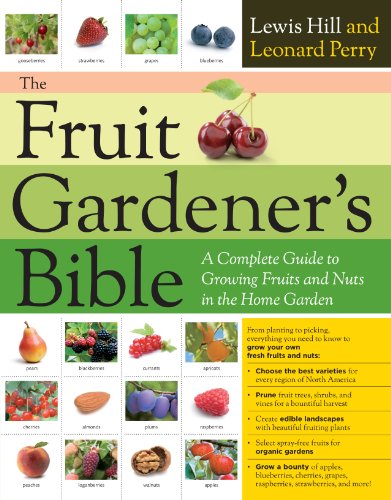

Local Nurseries
Local nurseries provide a diverse selection of fruit trees suited for your area. You can inspect the trees in person, ensuring they’re healthy and pest-free. Ask nursery staff for advice on tree types that thrive in your climate. Additionally, nurseries often run seasonal sales, giving you the chance to purchase trees at a discounted price. Visit regularly for knowledge on care and maintenance straight from the experts.
Online Retailers
Online retailers offer convenience and a wide variety of fruit trees that may not be available locally. Reputable sites like Stark Bro’s and Fast Growing Trees provide detailed descriptions of each tree type, including hardiness zones and growth habits. Check customer reviews and ratings to gauge the quality of the trees before buying. Ensure to consider shipping costs and delivery timelines, as trees require timely planting. Look for retailers offering guarantees on their trees, giving you added peace of mind.
Garden Centers
Garden centers often carry fruit trees alongside other plants and gardening supplies. You can find popular varieties like apple and peach trees, along with helpful gardening tools. The center staff can assist you with your selections based on your landscape conditions. Many garden centers feature promotions during peak planting seasons, providing fantastic deals. Check for any workshops or classes they may offer to enhance your gardening skills.
Factors to Consider When Buying
When purchasing fruit trees, several key factors influence your decision. Understanding these elements enhances your chances of a successful gardening experience.
Recommended Products


22.25 x 15.75 inches. Laminated. Flat map, tubed for shipping.
Tree Health and Quality
Evaluate the health and quality of the tree before buying. Look for these signs:
- Healthy leaves: Avoid trees with yellowing or curled leaves, as they indicate potential issues.
- Robust trunk: A sturdy, straight trunk suggests good growth and stability.
- Root condition: Examine the roots if possible; healthy roots should be white or light tan, not dark and mushy.
Quality trees yield better fruit and require less maintenance. Purchase from reputable sources that guarantee tree health to ensure a fruitful harvest.
Climate and Hardiness Zones
Consider your local climate and hardiness zone when selecting a fruit tree. Each tree variety thrives in specific conditions. Check these factors:
- Temperature ranges: Trees have defined temperature ranges for optimal growth.
- Sunlight requirements: Determine if the tree needs full sun, partial shade, or shade.
- Rainfall conditions: Assess how much water the tree needs—some prefer wet soil, while others thrive in dryer conditions.
You can find your hardiness zone through the USDA Plant Hardiness Zone Map. Choose trees suited to your zone for the best chance of survival and fruit production.
Conclusion
Finding the right fruit tree for your garden doesn’t have to be a daunting task. With a little research and consideration of your local climate you can choose the perfect tree that suits your space and needs. Whether you visit a local nursery or explore online options each source offers unique benefits to help you make the best choice.
As you embark on this journey of planting and nurturing your fruit trees remember to keep an eye on their health and growing conditions. Soon enough you’ll enjoy the beauty of your trees and the delicious fruits they provide. Happy gardening!
Frequently Asked Questions
What are the benefits of planting fruit trees?
Planting fruit trees enhances your yard’s aesthetics and provides fresh produce. They offer seasonal beauty, improve air quality, and can increase your property value. Additionally, growing your own fruit can save money and promote healthy eating habits.
What types of fruit trees are there?
Fruit trees fall into several categories, including deciduous trees, evergreen trees, stone fruits (like cherries and peaches), and pome fruits (like apples and pears). Each type has unique characteristics and growing requirements, providing options for different climates and landscapes.
Where can I buy fruit trees?
You can buy fruit trees from local nurseries, online retailers, or garden centers. Local nurseries often provide expert advice and a diverse selection, while online retailers offer convenience and variety. Garden centers typically stock popular varieties along with gardening supplies.
What growing conditions do fruit trees need?
Fruit trees thrive in well-drained soil, full sun, and specific climate conditions. It’s essential to consider temperature, sunlight exposure, and rainfall. Proper site preparation ensures optimal growth and fruit production for your trees.
How do I maintain my fruit trees?
Maintaining fruit trees involves regular watering, pruning, and fertilizing. Be attentive to pests and diseases, as these can harm tree health. Monitoring for signs of stress and taking preventative measures can enhance the longevity and productivity of your trees.
What should I look for when buying fruit trees?
When purchasing fruit trees, assess their health and quality. Look for robust trunks, healthy leaves, and good root conditions. Additionally, check that the tree variety is suited for your local climate and hardiness zone for optimal growth.
How do I choose the right fruit tree variety for my garden?
Selecting the right fruit tree variety depends on your local climate, available space, and personal preferences. Research each variety’s requirements, including sunlight, soil type, and pollination needs, to ensure a successful harvest and a beautiful landscape.
