

Dealing with guava tree diseases can be tough. These trees are prone to fungal and bacterial problems that can harm their growth and fruit production.
But don't worry – there are ways to treat and prevent these issues. How can you keep your guava tree healthy and protect it from common diseases?
Key Takeaways
- Regularly inspect your guava trees for signs of disease or pest infestation.
- Prune infected branches and leaves to prevent the spread of diseases.
- Implement organic pest control methods and use natural predators to manage pests.
- Apply appropriate fungicides or copper-based fungicides for fungal and bacterial diseases respectively, following the manufacturer's instructions.
Identifying Guava Tree Diseases
When inspecting your guava tree for diseases, carefully observe the leaves, fruits, and branches for any signs of discoloration, spots, or unusual growths. Common symptoms of guava tree diseases include yellowing or browning of leaves, powdery mildew, fruit rot, and wilting.
To effectively manage pests that may contribute to these symptoms, regularly prune your tree to remove any infected areas and improve air circulation. Additionally, consider using natural predators such as ladybugs or lacewings to control pests like aphids or mites. Applying horticultural oils or insecticidal soaps can also help manage pest infestations.
Prevention and Control Measures
To effectively protect your guava tree from diseases, it's essential to implement preventive measures and control strategies to maintain its health and productivity.
Start by regularly inspecting your guava tree for any signs of disease or pest infestations. Prune any damaged or diseased branches to prevent the spread of infections.
Additionally, ensure proper spacing between trees to promote good air circulation and reduce the risk of fungal diseases. Applying a balanced fertilizer can also help improve the tree's resistance to diseases.
Implementing organic pest control methods such as neem oil or introducing beneficial insects can effectively manage common pests. Consider using mulch around the base of the tree to regulate soil temperature and moisture, further aiding in disease prevention.
Recommended Products
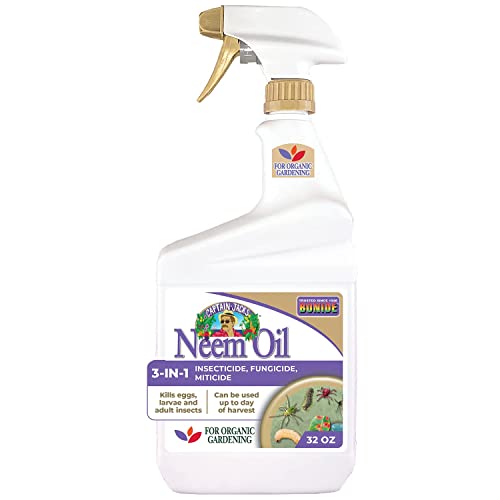
Protect your oasis with 3 garden products in 1 from Captain Jack’s; Bonide Captain Jack’s Ready-to-Use Neem Oil spray for plants is a multi-purpose fungicide, insecticide and miticide for your lawn & garden
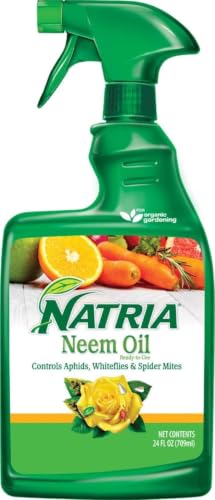
PLANT DISEASE CONTROL: Natria Neem Oil acts as an insecticide and fungicide in one convenient spray; Ready-to-use trigger sprayer requires no mixing

FUNGAL DISEASE CONTROL: Prevents and controls black spot on roses, powdery mildew, rust, downy mildew, and other listed fungal diseases when applied on a 7–14 day schedule
Fungal Diseases Treatment
If your guava tree is affected by fungal diseases, promptly treating them is crucial to prevent further spread and restore the tree's health. Fungal diseases management and guava tree pest control are essential for maintaining the tree's productivity. Here are some effective treatment options to combat fungal diseases:
| Treatment | Description |
|---|---|
| Pruning | Remove infected branches and leaves to prevent spread. |
| Fungicides | Apply appropriate fungicides as per the manufacturer's instructions. |
| Proper Drainage | Ensure good soil drainage to prevent waterlogging. |
| Air Circulation | Trim surrounding vegetation to improve air circulation. |
| Neem Oil Spray | Use neem oil spray as a natural fungicide. |
Recommended Products

Control fungus and disease in your garden with Captain Jack’s Liquid Copper Fungicide Concentrate!

Protect your garden from listed fungal diseases with Fung-onil Multi-Purpose Fungicide Concentrate from Bonide!

🌿 Controls Common Fungal & Bacterial Diseases Defend your plants from powdery mildew, botrytis, anthracnose, and more. Works on contact to stop foliar plant diseases before they spread.
Bacterial Diseases Treatment
To effectively combat bacterial diseases affecting your guava tree, implementing proper sanitation measures is essential to curtail their spread. Prune and dispose of any infected plant material, and avoid working with your guava tree when it's wet to prevent bacterial diseases from spreading.
Applying copper-based fungicides can help manage bacterial diseases, but prevention is key to maintaining guava tree health. Ensure your guava tree is planted in well-draining soil and receives adequate sunlight and airflow, as these conditions discourage bacterial diseases. Additionally, avoid over-fertilizing, which can make the guava tree more susceptible to infections.
Recommended Products

Neudorff Copper Fungicide Controls Listed Plant Diseases: Powdery Mildew, Rusts, Black Spot, Leaf & Fruit Spot, Downy Mildew, Fruit Rot, Late Blight, Peach Leaf Curl and Other Listed Diseases.

DISEASE CONTROL - Liqui-Cop, Copper-Count-N, is designed to prevent a wide variety of plant diseases including anthracnose, brown rot, blight, downy mildew, botrytis blight, leaf spot and many more.

DISEASE CONTROL - Liqui-Cop is designed to prevent a wide variety of plant diseases including anthracnose, brown rot, blight, downy mildew, botrytis blight, leaf spot and many more.
Viral Diseases Treatment
Combatting viral diseases affecting your guava tree requires implementing preventive measures and utilizing appropriate treatment methods.
Viral disease prevention is crucial for maintaining the health of your guava tree. Look out for symptoms such as leaf discoloration, stunted growth, and abnormal fruit development to catch the viral diseases early.
To effectively manage guava tree viral diseases, consider the following:
- Pruning: Remove and destroy infected plant parts to prevent the spread of the virus.
- Insect Control: Manage insect populations to reduce the risk of viral transmission.
- Nutrient Management: Ensure your guava tree receives proper nutrients to boost its immune system and resilience against viral infections.
Understanding the impact of viral diseases on guava trees is essential for successful management and maintaining a healthy orchard.
Conclusion
By staying vigilant and promptly addressing any signs of disease, you can ensure the long-term health and productivity of your guava trees.
With proper care and attention, your trees will continue to bear delicious, healthy fruit for years to come.
Keep a watchful eye on your trees and take proactive measures to keep them thriving.
Your dedication will be rewarded with abundant harvests and thriving, disease-free guava trees.
