

Have you noticed your fruit trees looking a bit worse for wear? If you’re seeing wilting leaves or unusual holes in the bark, you might be dealing with borers. These pesky pests can wreak havoc on your beloved trees, threatening your harvest and the health of your garden.
Key Takeaways
- Borers are a Major Threat: Understanding the impact of borers on fruit trees is crucial, as they compromise tree health and crop yield through tunneling in the bark and wood.
- Signs of Infestation: Early detection is key; look for physical signs such as holes in the bark, frass accumulation, wilting leaves, and branch dieback.
- Effective Treatment Methods: Successful borer control involves both cultural practices (like proper watering, mulching, and pruning) and targeted chemical treatments during the larvae’s active feeding period.
- Preventative Strategies: Choose resistant tree varieties, maintain soil health, and conduct regular inspections and monitoring to protect your trees from future infestations.
- Chemical Control Options: Utilize insecticides labeled for borers and consider trunk injection methods for effective borer management when necessary.
- Stay Informed: Keeping up with local pest reports and adjusting care strategies helps mitigate borer populations and enhances the overall health and productivity of your fruit trees.
Understanding Borers in Fruit Trees
Borers pose serious threats to fruit trees. These pests tunnel into the bark and wood, compromising the tree’s health and production.
Common Types of Borers
- Cherry Tree Borer: Affects cherry trees, leaving large holes in the bark. Look for frass—sawdust-like material—at the entry points.
- Peach Tree Borer: Targets peach and nectarine trees. Its damage resembles wilting leaves and broken limbs.
- Cottonwood Borer: Primarily affects cottonwood and willows but can also target other fruit trees. Signs include dark streaks and sawdust around the base.
- Dogwood Borer: Infests dogwoods and occasionally fruit trees. The presence of boring dust and holes indicates an infestation.
Life Cycle of Borers
Borers undergo four main stages:
- Eggs: Adult borers lay eggs on the tree’s bark, usually in spring.
- Larvae: Once hatched, larvae burrow into the tree. This stage is when most damage occurs.
- Pupae: Larvae pupate within the wood, transforming into adults during the summer.
- Adults: Newly emerged adults leave the tree to find mates and begin the cycle anew.
Understanding these stages helps with effective treatment, as targeting larvae during their active feeding period yields the best results. Stay vigilant to protect your fruit trees from these invasive pests.
Signs and Symptoms of Borer Infestation
Identifying borer infestations early is crucial for protecting your fruit trees. Look for specific signs and symptoms indicating their presence.
Recommended Products

Targeted Pest Attraction: Attracts greater & lesser Peach Tree Borers (Synanthedon exitiosa) as well as many other clearwing moth species

Attracts greater & lesser Peach Tree Borers (Synanthedon exitiosa) as well as many other clearwing moth species

Monterey peach tree borer trap and lure
Physical Indications
- Holes in the Bark: Small, round holes often mark where adult borers enter the tree. These holes may vary in size depending on the borer species.
- Frass or Sawdust: Fine wood shavings, known as frass, may accumulate at the base of the tree or within the holes. This debris indicates active tunneling by larvae.
- Wilting Leaves: If leaves begin to wilt or yellow more than usual, stress caused by borers could be the culprit. In severe cases, entire branches may die off.
- Gummosis: Some trees excrete a sticky substance, or gum, as a reaction to borer damage. This may appear at the entry holes or along the trunk.
- Stunted Growth: Trees affected by borers may show signs of slowed growth. You might notice smaller leaves and less fruit production.
- Branch Dieback: If you observe dieback in branches, particularly during the growing season, borers could be the primary cause.
- Increased Pests: An uptick in other pests around the tree can indicate a weakened state due to borer damage. Healthy trees typically fend off secondary pest invasions.
Recognizing these signs helps you act promptly, increasing the chances of saving your fruit trees from significant damage.
How to Treat Borers in Fruit Trees
Treating borers in fruit trees requires a combination of cultural and chemical methods to effectively manage the infestation and protect the tree’s health.
Recommended Products

Control diseases and insects in your garden with Captain Jack’s Fruit Tree Spray Concentrate! Use on a variety of listed fruits, nuts and citrus plants.

Control diseases and insects in your garden with Captain Jack’s Fruit Tree Spray Concentrate! Use on a variety of listed fruits, nuts and citrus plants.

KILLS LISTED FRUIT & CITRUS TREE INSECTS: Controls Asian Citrus Psyllid, Whiteflies, Aphids Thrips, Citrus Leafminers, Leafhoppers, Blackfly, Mealybugs, Scales, Avocado Lacebugs, Oriental Beetles, Flea Beetles, Sharpshooters, and Spittlebugs
Cultural Control Methods
Cultural control methods focus on maintaining tree health and minimizing borer access. Here are some effective strategies:
- Site Selection: Choose well-drained locations for planting fruit trees. Avoid areas prone to standing water, which can stress trees and attract borers.
- Proper Watering: Water trees adequately, especially during dry seasons. Healthy trees resist pests better.
- Mulching: Apply organic mulch around the base of trees. Mulch conserves moisture, suppresses weeds, and encourages beneficial organisms.
- Pruning: Regularly prune dead or diseased branches. This reduces potential sites for borer entry while promoting air circulation.
- Monitoring: Regularly inspect trees for signs of borer activity. Early detection increases the chance of effective treatment.
Chemical Control Options
Chemical control offers targeted solutions for borer infestations. Here are practical options:
- Insecticides: Apply insecticides specifically labeled for borers. Focus on products containing active ingredients like imidacloprid or chlorantraniliprole. Follow application instructions carefully.
- Timing: Apply chemical treatments during the larvae’s active feeding period, usually in spring or early summer. This timing maximizes effectiveness.
- Trunk Treatments: Consider using insecticides in a trunk injection method for targeted borer control. This technique delivers the chemical directly into the tree’s vascular system.
- Protective Barriers: Use tree wraps or protective coatings on young trees to prevent borer access during the vulnerable period.
By implementing these cultural and chemical control methods, you can effectively address borer infestations and promote the health of your fruit trees.
Preventative Measures
Taking preventative measures protects fruit trees from borer infestations. Focus on regular maintenance and vigilant monitoring to keep your trees healthy.
Recommended Products

[Helps Protect Fruit Trees] Help protect your apple, crab apple, peach, pear, plum, and other fruit trees from invasive and destructive moth larvae. Designed for use with existing moth traps and codling moth traps for apple trees, these replacement sticky boards help growers monitor pest activity and make timely orchard management decisions throughout the growing season

Introducing Raid Essentials Fruit Fly Tap that is safe* to use around kids and pets (*When used as directed)
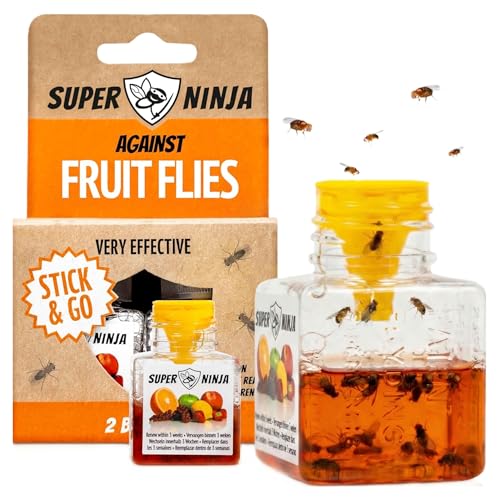
Effective Fruit Fly Traps: Stops fruit flies indoors wherever they gather: kitchen counters, trash bins, and fruit bowls. Follow our steps to see results from this fruit fly killer within 24 hours, and catch up to 500 fruit flies per trap.
Regular Maintenance
- Select resistant varieties: Choose tree varieties that demonstrate resistance to borers. Research local recommendations to find suitable options for your area.
- Maintain proper soil health: Fertilize your trees with balanced nutrients to promote strong growth, making them less susceptible to pests.
- Water appropriately: Water trees as needed, ensuring they receive adequate moisture, especially during dry spells. Deep watering encourages root development.
- Apply organic mulch: Spread organic mulch around the base of your trees. Mulch retains moisture, regulates soil temperature, and discourages pest access.
- Prune regularly: Remove dead, diseased, or damaged branches. Pruning improves air circulation and reduces pest habitats, thus lowering the risk of infestation.
- Check for signs: Inspect your trees regularly for signs of borer activity, such as small holes or frass. Early detection offers a greater chance of successful treatment.
- Examine bark closely: Look for any unusual discoloration or soft areas in the bark. These symptoms may signal the presence of borers.
- Assess overall tree health: Monitor growth patterns. Wilting leaves and stunted growth can indicate underlying pest issues, including borers.
- Use traps: Set borer traps in the vicinity of your trees to catch adult pests before they lay eggs. This helps reduce the overall population.
- Stay informed: Keep abreast of local pest reports and updates as pest pressure can vary seasonally. Adjust your care strategies as needed based on this information.
Implementing these preventative measures creates a strong defense against borers, promoting the health and productivity of your fruit trees.
Conclusion
Taking action against borers in your fruit trees can make all the difference in keeping them healthy and productive. By staying vigilant for signs of infestation and implementing both cultural and chemical control methods, you can protect your trees from these pesky pests.
Don’t forget the importance of preventative measures. Regular maintenance and monitoring will help you catch any issues early and ensure your trees thrive. With a little care and attention, you can enjoy a bountiful harvest and the beauty of your fruit trees for years to come. Happy gardening!
Frequently Asked Questions
What are the signs of borer infestations in fruit trees?
Borer infestations typically show symptoms such as small, round holes in the bark, wilting leaves, gummosis, and sawdust or frass around the base. Other signs include stunted growth, branch dieback, and an increase in other pests. Identifying these early can help protect your trees.
What types of borers affect fruit trees?
Common borers that affect fruit trees include the Cherry Tree Borer, Peach Tree Borer, Cottonwood Borer, and Dogwood Borer. Each type has specific signs of infestation and can cause varying levels of damage.
How do borers damage fruit trees?
Borers damage fruit trees by tunneling into the bark and wood, compromising the tree’s overall health. This can lead to wilting leaves, reduced fruit production, and even tree death if not managed promptly.
What is the life cycle of borers?
The life cycle of borers includes four main stages: eggs, larvae, pupae, and adults. Focusing on treating larvae during their active feeding period is crucial for effective control.
What methods can treat borer infestations?
Treating borer infestations can involve cultural practices such as proper watering, using organic mulch, and regular pruning. Chemical options include insecticides labeled for borers and trunk injections for targeted control.
How can I prevent borer infestations in my fruit trees?
Preventing borer infestations involves regular maintenance, monitoring for signs of activity, selecting resistant tree varieties, and maintaining soil health. Vigilantly inspect your trees and employ traps to catch adult pests.
Is it necessary to use chemicals for borer control?
While chemicals can be effective, it’s not always necessary. Cultural control methods, like proper care and regular maintenance, can significantly reduce borer issues. Always consider integrated pest management practices to minimize chemical use.
When is the best time to treat for borers?
The best time to treat for borers is during the larvae’s active feeding period, typically in early spring or late summer, depending on the borer species. Monitoring your trees regularly will help determine the right timing.
