

Have you noticed your fruit trees looking a bit worse for wear? Blight can be a frustrating problem that affects not just the health of your trees but also the quality of the fruit they produce. You’re not alone in facing this challenge, and understanding how to treat blight can make a world of difference.
Key Takeaways
- Recognize Blight Types: Understand the different types of blight (fire blight, cankers, bacterial blight, and fungal blight) affecting fruit trees, and be aware of their specific symptoms to address issues promptly.
- Implement Prevention Strategies: Choose blight-resistant tree varieties and maintain good tree health through proper care practices like regular pruning and adequate watering to minimize blight risk.
- Utilize Treatment Options: Combine chemical treatments (fungicides and bactericides) with organic solutions (such as neem oil and baking soda spray) and cultural practices for effective management of blight.
- Follow Best Practices for Application: Apply treatments at the first signs of infection, ensuring correct timing, and frequency while prioritizing safety precautions during application.
- Monitor and Assess Treatment Effectiveness: Regularly check your trees after treatment applications for signs of recovery and document changes over time to ensure effective management of blight.
- Commit to Ongoing Care: Maintain a consistent care routine, including deep watering, pruning, and pest monitoring, to support the health of your fruit trees and further protect against blight.
Understanding Blight on Fruit Trees
Blight poses a serious threat to fruit trees, leading to reduced health and diminished fruit quality. Recognizing the specific types of blight and their signs can help you address the issue effectively.
Types of Blight Affecting Fruit Trees
- Fire Blight: Primarily affects apple and pear trees. Fire blight causes branch dieback and produces dark, shriveled leaves resembling burned foliage.
- Cankers: These can develop on various fruit trees, including cherry and peach. Cankers manifest as sunken, dead areas on branches, leading to wilting and eventual death of nearby tissues.
- Bacterial Blight: Often seen in stone fruit trees like apricots and plums. This type results in leaf spots and twig dieback caused by bacterial infection.
- Fungal Blight: Common in many fruit varieties. Fungal blight results in spots on leaves, fruit, or stems, often leading to premature leaf drop.
- Leaf Discoloration: Watch for yellowing or browning leaves, especially if they appear wilted.
- Wilting: Stressed trees may show signs of wilting, especially on new growth. This often indicates a deeper issue.
- Dieback: Observe branches for dieback. This occurs when healthy tissue turns brown or black and dies off.
- Fruit Deformities: Look for abnormal growth in fruit, such as spots, rotting, or diminished size.
- Sticky Residue: Sticky substances on leaves or branches can signal an infection, often accompanied by a distinctive foul odor.
Being aware of these blight types and symptoms helps you take immediate action, improving the health and productivity of your fruit trees.
Prevention Strategies
Preventing blight on fruit trees requires a proactive approach. Implementing the right strategies can significantly reduce the risk of infection and ensure healthy fruit production.
Recommended Products

Product Quantity: 180+ premium bonsai fruit seeds across 5 varieties; Individual packs contain 40+ apple, 40+ lemon, 40+ orange, 20+ blueberry, and 40+ cherry seeds; Perfect for starting a diverse miniature orchard
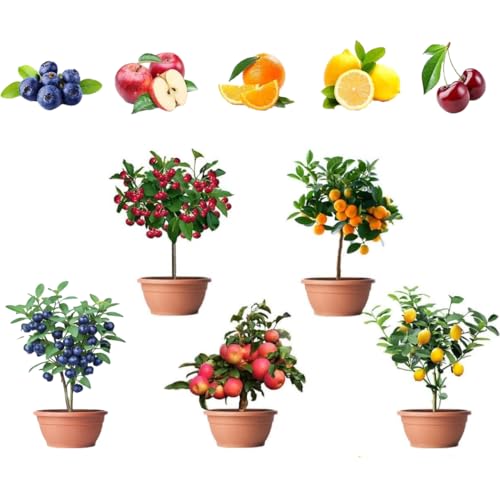
Variety Pack of 5 Fruits: Includes 40 Lemon seeds, 40 Orange seeds, 40 Apple seeds, 20 Cherry seeds, and 20 Blueberry seeds for a colorful and diverse home garden

4 kinds of the most popular fruits, individually packaged, 50pcs Lemon seeds 50pcs Cherry seeds 50pcs Orange seeds 50pcs Apple seeds Fresh seeds, all fruit seeds are packed in tear and moisture resistant zipper sealed bags for your long term storage.
Choosing the Right Varieties
Select blight-resistant varieties when planting. Many fruit trees, including apples, pears, and cherries, offer resistant options. For instance, consider the ‘Liberty’ apple or ‘Kieffer’ pear, known for their resilience against blight. Research your local conditions, as certain varieties thrive in specific climates and soil types, further enhancing their ability to resist disease.
Proper Tree Care and Maintenance
Maintain good health through consistent care practices. Prune trees regularly to improve airflow, which helps prevent moisture buildup on leaves, creating a less inviting environment for pathogens. Water trees adequately but avoid overhead watering, as wet foliage increases blight risk. Apply organic mulch around the base to retain soil moisture while preventing weeds. Monitor for pests and signs of disease, addressing issues promptly to fend off further complications.
Treatment Options
Treating blight on fruit trees involves a mix of chemical treatments, organic solutions, and cultural practices tailored to specific conditions. Each method plays a role in managing and reducing the impact of blight.
Recommended Products
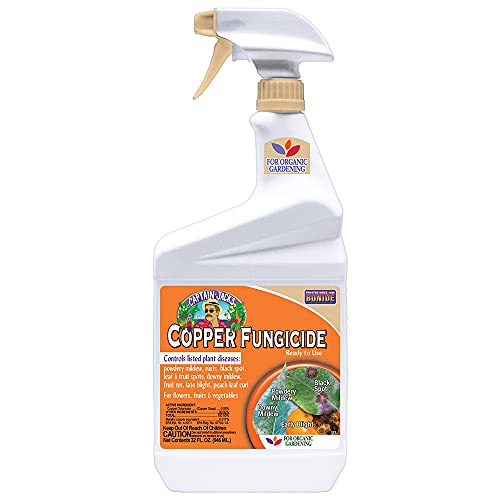
Control fungus and disease in your garden with Captain Jack’s ready-to-use Liquid Copper Fungicide!

Control fungus and disease in your garden with Captain Jack’s Liquid Copper Fungicide Concentrate!

Control plant common plant diseases in your home garden with Copper Fungicide Spray or Dust from Bonide!
Chemical Treatments
Chemical treatments can provide quick relief from blight. Fungicides and bactericides are common options.
- Fungicides: Use fungicides containing copper or chlorothalonil. Apply according to the label instructions, ideally at the first sign of infection, ensuring good coverage on affected areas.
- Bactericides: Select products with streptomycin for fire blight. Apply when conditions promote disease, specifically during flowering or when symptoms appear.
- Preventative Sprays: For ongoing protection, consider regular applications during the growing season. Timing applications before anticipated rain helps improve effectiveness.
Organic Solutions
Organic solutions offer safer alternatives, especially for home gardens.
- Neem Oil: This natural pesticide disrupts the life cycle of many fungal pathogens. Mix according to package directions and spray on affected trees, focusing on the leaves and branches.
- Baking Soda Spray: Combine one tablespoon of baking soda, one teaspoon of liquid soap, and one gallon of water. Spray this solution on the infected areas to create an alkaline environment that discourages fungal growth.
- Garlic and Pepper Spray: Blend together a few garlic cloves and hot pepper with water. Strain and spray onto trees to deter pests and inhibit blight-causing pathogens.
Cultural Practices
Cultural practices form the foundation for a successful blight management strategy.
- Pruning: Regularly prune to improve airflow and sunlight penetration. Remove dead or infected branches promptly to prevent the spread of disease.
- Mulching: Apply a thick layer of organic mulch around the base of the tree. This conserves moisture, suppresses weeds, and reduces splashing dirt that may carry pathogens.
- Watering Techniques: Water at the base of the tree, avoiding excessive moisture on leaves. Drip irrigation is ideal, as it minimizes wet foliage.
- Tree Health Monitoring: Monitor your trees regularly for early signs of infection. Immediate action can limit the severity of outbreaks and help sustain overall tree health.
Best Practices for Application
Applying treatments for blight on fruit trees requires careful consideration of timing, frequency, and safety precautions to maximize effectiveness while ensuring tree health.
Recommended Products

Control diseases and insects in your garden with Captain Jack’s Fruit Tree Spray Concentrate! Use on a variety of listed fruits, nuts and citrus plants.
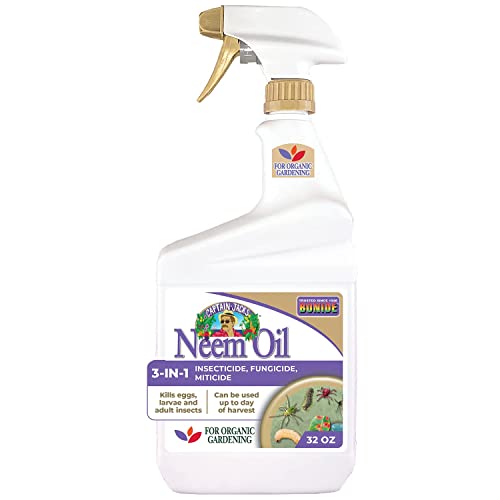
MULTI-PURPOSE BUG KILLER - Bonide Neem Oil is a perfect pest control solution for any garden dealing with mites, flies, mildew, and more. This product is a three-in-one fungicide, miticide, and insecticide.

Control diseases and insects in your garden with Captain Jack’s Fruit Tree Spray Concentrate! Use on a variety of listed fruits, nuts and citrus plants.
Timing and Frequency
Apply treatments for blight at the earliest signs of infection. Early intervention enhances the likelihood of successful disease management. Suggested timing includes:
- Spring: Begin at bud break to protect new growth.
- During Flowering: Reapply fungicides or bactericides as blooms open.
- After Rain: Follow up treatment within 24 hours of heavy rain to combat wash-off.
Maintain a consistent schedule for applying treatments. For chemical options, follow label instructions for application intervals. For organic solutions, reapply every 7-14 days, especially after rainfall. Monitor your trees regularly to ensure prompt treatment of any emerging symptoms.
Safety Precautions
Prioritize safety when applying any treatments. Follow these precautions:
- Read Labels: Understand the manufacturer’s guidelines for all chemicals and organic remedies.
- Wear Protective Gear: Use gloves, masks, and goggles to shield yourself from potential irritants during application.
- Apply in Good Weather: Treat trees on calm, dry days to prevent drift and ensure better adherence to foliage.
- Keep Pets and Children Away: Maintain a safe distance until treatments dry completely.
By following these best practices for application, you can effectively manage blight on your fruit trees while safeguarding your health and the environment.
Monitoring and Follow-Up
Monitoring and follow-up are vital steps in managing blight on fruit trees. Regular checks ensure timely interventions and promote long-term health.
Assessing the Effectiveness of Treatments
Assessing treatments is crucial for effective blight management. After applying a treatment, observe your trees closely. Look for signs of recovery, such as improved leaf color, reduced wilting, or new growth.
Document any changes in symptoms over time. For instance, if using a fungicide, monitor for any lingering discoloration or dieback. Conduct follow-ups every few weeks, especially after rain, since moisture can exacerbate blight conditions. If you see no improvement within two weeks, consider trying a different treatment option or adjusting your application methods.
Ongoing Tree Care
Ongoing care is essential to keep your fruit trees healthy and resilient against blight. Ensure proper watering practices, focusing on deep watering rather than frequent shallow watering. This helps roots grow deeper and strengthens tree vigor.
Regular pruning promotes good airflow, reducing humidity around the tree and limiting blight spread. Fertilizing your trees with balanced nutrients supports overall health, making them less susceptible to disease. Furthermore, always clean fallen leaves and fruit from the ground, as decaying matter can harbor pathogens.
Stay vigilant for pests as well, as infestations can stress trees and increase their vulnerability to blight. Use organic or chemical pest control as necessary, and monitor your trees regularly to catch any issues early. By committing to consistent care and observation, you create a strong foundation for thriving fruit trees that resist blight effectively.
Conclusion
Taking care of blight on your fruit trees doesn’t have to be overwhelming. By staying vigilant and recognizing the signs early you can take action to protect your trees and ensure a bountiful harvest. Remember to choose resistant varieties and maintain good cultural practices to keep your trees healthy.
Whether you opt for chemical treatments or prefer organic solutions both can be effective when applied correctly. Regular monitoring and follow-up are key to spotting any issues before they escalate. With a little dedication and the right approach your fruit trees can thrive and bring you joy for years to come. Happy gardening!
Frequently Asked Questions
What is fruit tree blight?
Blight is a disease affecting fruit trees, leading to symptoms like leaf discoloration, wilting, and fruit deformities. It can significantly decrease tree health and fruit quality.
What are the types of blight in fruit trees?
Common types include fire blight, cankers, bacterial blight, and fungal blight. Each type presents unique symptoms and affects various fruit trees differently.
How can I identify blight on my trees?
Key signs include leaf discoloration, wilting, dieback, deformed fruit, and sticky residues. Recognizing these symptoms early is essential for effective treatment.
How can I prevent blight on my fruit trees?
To prevent blight, choose resistant tree varieties, ensure good airflow through regular pruning, water adequately without overhead methods, and apply organic mulch.
What treatments are available for blight?
Treatments include chemical options like copper fungicides and organic solutions such as neem oil or baking soda spray. Cultural practices, including pruning and proper watering, are also vital.
When should I apply treatments for blight?
Apply treatments at the first sign of infection, particularly in spring, during flowering, and after heavy rain. Consistency in application is crucial for effectiveness.
How can I monitor my trees for blight?
Regularly check your trees for symptoms of blight and assess the effectiveness of treatments. Document changes and maintain ongoing care for long-term health.
What safety precautions should I take when treating blight?
Read labels carefully, wear protective gear, and apply treatments in dry weather. Keep pets and children away from treated areas during and immediately after application.
