

Have you ever wondered how often your avocado tree will reward you with those delicious green fruits? If you’ve planted one or are thinking about it, you’re not alone. Many people dream of enjoying homegrown avocados but are unsure about the fruiting process.
Understanding the fruiting cycle of avocado trees can help you manage your expectations and care for your tree better. This article will guide you through the factors that influence fruit production, from tree age to environmental conditions. You’ll learn how to maximize your chances of a fruitful harvest, making your avocado-growing experience even more enjoyable.
Key Takeaways
- Avocado trees typically begin producing fruit around 3 to 4 years of age, with variety and maturity affecting yield.
- The three primary avocado varieties—Hass, Fuerte, and Bacon—each have unique fruiting cycles and characteristics, impacting harvest time and flavor.
- Ideal growing conditions for avocado trees include warm temperatures (60°F to 85°F), well-draining soil, full sunlight, and consistent watering.
- Multiple factors like tree age, climate conditions, soil quality, and pollination significantly influence the quantity and quality of fruit produced.
- Avocado trees often follow alternating cycles of heavy and light fruit production, known as “on” and “off” years.
- Regular care practices, including pruning, soil testing, fertilization, and pest monitoring, are essential for maximizing fruit yield and tree health.
Understanding Avocado Trees
Avocado trees thrive under specific conditions. Knowing their types and ideal growing environments helps maximize fruit production.
Types of Avocado Trees
Avocado trees come in three primary types:
- Hass Avocado Trees: Most popular variety, producing fruit year-round with main seasons from late spring to early fall. The skin darkens when ripe.
- Fuerte Avocado Trees: Pear-shaped fruits with green skin. They bear fruit from late fall to spring. This variety is less cold-sensitive.
- Bacon Avocado Trees: Features smoother skin and a milder taste. Fruiting occurs from late winter through early spring.
These varieties differ in harvest times, climate adaptability, and taste profiles, allowing you to choose based on your preferences and local conditions.
Ideal Growing Conditions
Avocado trees thrive in specific environmental factors:
- Climate: Prefer warm climates with temperatures between 60°F and 85°F. Protect from frost for optimal growth.
- Soil: Require well-draining, sandy loam soil. The pH should range between 6 and 7 for best results.
- Sunlight: Need full sun exposure for at least six hours daily. This promotes healthy growth and fruiting.
- Watering: Demand regular watering, especially during dry periods. Ensure soil stays moist but not waterlogged.
These conditions create a supportive environment for avocado trees, enhancing their chances of producing fruit consistently. Adjusting care practices based on these factors contributes to a fruitful harvest.
Fruit Production in Avocado Trees
Avocado trees typically produce fruit annually, yet several factors influence their overall fruit yield. Understanding these elements helps you optimize your tree’s growth and fruit-bearing potential.
Recommended Products

Tailored for Avocado Trees: Specifically designed to meet the nutritional needs and pH requirements of avocado trees for healthy, vigorous growth.

All-Natural: Special blend for growing avocados in containers or as houseplants
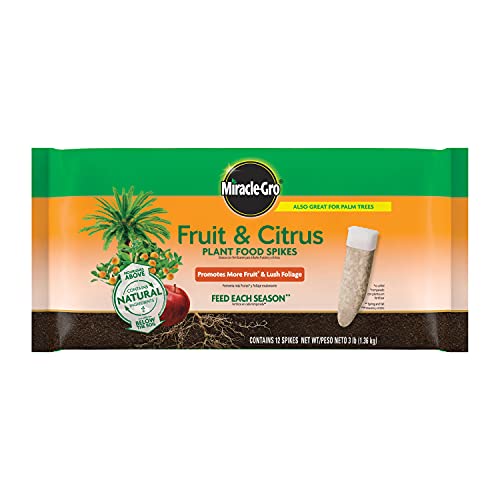
FORMULATED FOR CITRUS AND FRUIT TREES: Use these citrus fertilizer spikes on apple, orange, lemon, lime, and avocado trees; this formula is also great for feeding palm trees
Factors Affecting Fruit Production
- Tree Age: Young avocado trees, usually under three years old, rarely produce fruit. Mature trees, generally over five years old, yield significant crops.
- Variety: Different avocado varieties, such as Hass, Fuerte, and Bacon, exhibit unique fruiting behaviors. For example, Hass trees are known for their consistent annual yields, while Fuerte may have irregular cycles.
- Climate Conditions: Avocado trees thrive in warm, subtropical climates. Frost can damage flowers, reducing fruit production. Aim for temperatures between 60°F and 85°F to maximize yields.
- Soil Quality: Well-draining, nutrient-rich soil enhances fruit production. Avoid heavy clay or overly sandy soils. Regular soil tests help determine nutrient needs.
- Watering Practices: Consistent, deep watering promotes healthy root systems. Overwatering or underwatering can stress the tree, leading to fewer fruits. Monitor soil moisture levels regularly.
- Pollination: Most avocado varieties require cross-pollination for better yields. Planting multiple tree varieties nearby can enhance fruit set.
Typical Fruit Bearing Cycles
Avocado trees often follow a distinct fruit-bearing cycle. Generally, the cycle consists of alternating years of heavy and light cropping. Heavy crops, or “on” years, are followed by lighter yields, or “off” years. This phenomenon can vary by individual tree and environmental factors.
- Spring: Trees bloom, with flowers appearing usually in late winter to early spring. The pollination process starts here.
- Summer: The fruit develops and matures, gaining size and flavor. During this period, regular watering and nutrient management are essential.
- Fall: Harvest time typically occurs from late summer to fall. The timing depends on the tree variety and local climate conditions.
By paying attention to these factors and cycles, you can improve your chances of enjoying a plentiful avocado harvest.
How Often Do Avocado Trees Produce Fruit?
Avocado trees produce fruit once they reach maturity, usually around 3 to 4 years of age. Understanding their fruiting cycle can help you plan for an abundant harvest.
Seasonal Variations
Avocado trees have a distinct seasonal pattern. They typically bloom in spring, producing flowers that can set fruit. The fruit then develops throughout the summer and early fall. Depending on your region, you can expect harvest time from late summer to early winter. In areas with mild winters, some avocado varieties may produce fruit year-round.
Comparison Among Different Varieties
Different avocado varieties display unique fruiting behaviors.
- Hass: This variety bears fruit from late winter to early summer. It’s the most popular due to its creamy texture and rich flavor.
- Fuerte: Expect a harvest from late summer to early winter. Its smooth skin and unique taste make it a favorite among many.
- Bacon: This variety produces from late fall to early spring. It offers a milder taste and is incredibly versatile.
Recognizing these differences helps you manage your expectations and adjust care practices accordingly. For optimal results, choose a variety that matches your growing conditions.
Best Practices for Maximizing Fruit Yield
Maximizing the fruit yield of your avocado trees involves consistent care and attention to their needs. Following these best practices ensures your trees thrive and produce bountiful harvests.
Recommended Products

Miracle-Gro Shake 'N Feed Citrus, Avocado, Mango Plant Food contains added potassium, magnesium, sulfur, and iron to help improve common nutrient deficiencies

THE SECRET TO THRIVING TREES: The citrus tree fertilizer provides slow-release nitrogen to fuel your trees' vegetative growth
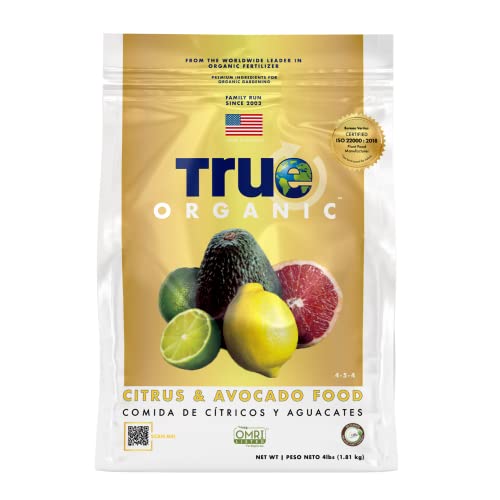
Lush Foliage and Abundant Fruit: Designed to promote vibrant green leaves, plentiful blossoms, and bountiful citrus and avocado harvests.
Proper Care and Maintenance
Maintain a clean growing environment. Clear away any fallen leaves or debris that can harbor pests. Prune your trees annually to promote healthy growth and improve airflow. Focus on removing dead or overcrowded branches, allowing sunlight to reach all areas of the tree. Monitor for pests like aphids or borers, and address infestations promptly to prevent damage.
Ensure good soil health. Use well-draining soil enriched with organic matter. Testing your soil’s pH can help you determine if adjustments are needed. Aim for a pH range of 6 to 7, as avocados thrive in slightly acidic to neutral soil.
Monitor temperature variations. Avocado trees prefer temperatures between 60°F and 85°F. Protect your trees from frost, which can damage young fruit and flowers. Use frost cloths or other protective measures during cold snaps.
Fertilization and Watering Techniques
Fertilize regularly. Use a balanced fertilizer formulated for fruit trees, ideally containing nitrogen, phosphorus, and potassium. Apply fertilizer twice a year, once in early spring and again in late summer. Follow package instructions for application rates based on the age and size of your tree.
Water consistently. Avocado trees require deep watering but prefer to dry out between waterings. Water every 1 to 2 weeks during dry periods, ensuring the soil remains moist but not soggy. Check the top two inches of soil; if it’s dry, it’s time to water.
Consider using mulch. Apply a layer of organic mulch around the base of your avocado tree. This helps retain soil moisture, regulates soil temperature, and adds nutrients over time as it decomposes. Keep mulch a few inches away from the trunk to prevent rot.
By implementing these practices, you can enhance the health of your avocado trees, leading to better fruit production and an overall thriving garden.
Conclusion
Growing avocado trees can be a rewarding experience when you understand their unique fruiting cycles. By taking the time to learn about the specific needs of your avocado variety and adjusting your care practices accordingly, you can create an environment that encourages healthy growth and fruitful harvests.
Remember that patience is key. Even mature trees can have off years, but with the right care and conditions, you can maximize your chances of enjoying delicious avocados. Whether you’re a seasoned gardener or just starting out, the joy of harvesting your own avocados makes the effort worthwhile. Happy gardening!
Frequently Asked Questions
How often do avocado trees produce fruit?
Avocado trees typically produce fruit once they reach maturity, which is around 3 to 4 years of age. Generally, they yield crops annually, but factors like tree age and environmental conditions can affect the overall yield. Some trees may experience alternating heavy and light cropping years.
What factors affect the fruit production of avocado trees?
Several factors influence avocado fruit production, including the tree’s age, the variety, climate conditions, soil type, and watering practices. Young trees seldom produce fruit, while mature trees can yield significant crops. Cross-pollination also plays a role in enhancing fruit set.
What are the different types of avocado trees?
The most common avocado varieties include Hass, Fuerte, and Bacon. Each type has unique harvest times and flavor profiles: Hass fruits from late winter to early summer, Fuerte from late summer to early winter, and Bacon from late fall to early spring.
When is the best time to harvest avocados?
Avocados are typically harvested from late summer to early winter, depending on the variety. It’s essential to monitor the fruit’s readiness, as avocados ripen after picking. In milder climates, some types may produce fruit year-round.
How can I improve avocado tree yield?
To enhance avocado tree yield, maintain good soil health, ensure consistent watering, and fertilize regularly with a balanced fertilizer. Use organic mulch to retain moisture and regulate temperature. A clean growing environment and proper care practices are vital for healthier trees and better fruit production.
