

Have you ever wished you could grow fruit trees in a small space? Maybe you’ve got a sunny wall that’s just begging for some greenery. Training fruit trees against a wall not only saves space but also creates a stunning visual display while maximizing your harvest.
In this article, you’ll discover practical techniques to guide your fruit trees along your wall. You’ll learn how to choose the right varieties, the best training methods, and tips for maintaining healthy growth. With a little effort, you can transform that bare wall into a fruitful oasis that adds beauty and bounty to your garden.
Key Takeaways
- Space Optimization: Training fruit trees against a wall maximizes limited garden space, allowing for more trees in urban settings while enhancing visual appeal.
- Aesthetic Improvement: A wall provides a beautiful backdrop, creating an organized and visually attractive garden feature.
- Better Fruit Quality: Training methods expose fruit to more sunlight, improving sweetness and overall flavor.
- Wind Protection: Walls shield trees from strong winds, reducing stress and potential damage.
- Easy Maintenance: Vertical growth simplifies tasks like pruning and harvesting, making tree care more manageable.
- Right Tree Selection: Choose dwarf or climbing varieties that suit your climate and have appropriate pruning and pollination needs for optimal wall training success.
Understanding Fruit Tree Training
Training fruit trees against a wall offers an effective method for healthy growth and fruit production. This technique fosters ideal conditions for sunlight, air circulation, and space efficiency.
Importance of Training
Training fruit trees shapes their growth direction and controls their size. By guiding branches along a wall, you prevent overcrowding and promote even sunlight distribution. Training also encourages better fruit yield by directing energy into production rather than excessive foliage.
Benefits of Wall Training
Wall training provides numerous advantages for both plants and gardeners.
- Space Efficiency: Wall training makes the most of limited space. You can grow more trees in smaller areas, making it ideal for urban gardens.
- Improved Aesthetics: Using a wall as a backdrop adds visual interest, creating a beautiful and organized garden space.
- Enhanced Fruit Quality: Exposing fruit to sunlight improves sweetness and flavor. Training allows for maximum light exposure on fruiting branches.
- Protection from Wind: A wall offers protection from strong winds, reducing damage and stress on trees.
- Easier Maintenance: Trained trees are easier to manage. Access for pruning, harvesting, and monitoring overall health improves with a vertical growing approach.
With these training methods, you cultivate healthier fruit trees and create a stunning garden feature.
Choosing the Right Fruit Trees
Selecting suitable fruit trees is crucial for successful wall training. Consider the following factors when choosing your trees:
Recommended Products
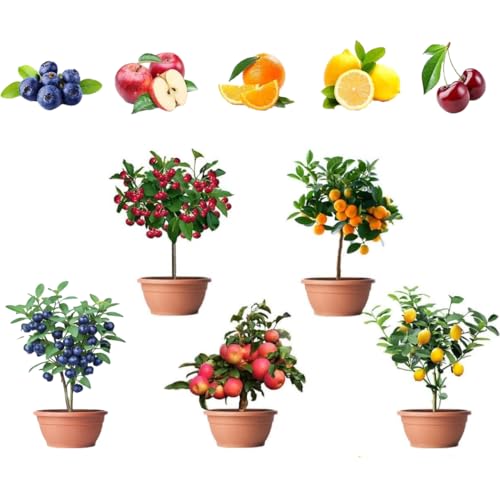
Variety Pack of 5 Fruits: Includes 40 Lemon seeds, 40 Orange seeds, 40 Apple seeds, 20 Cherry seeds, and 20 Blueberry seeds for a colorful and diverse home garden


Product Quantity: 180+ premium bonsai fruit seeds across 5 varieties; Individual packs contain 40+ apple, 40+ lemon, 40+ orange, 20+ blueberry, and 40+ cherry seeds; Perfect for starting a diverse miniature orchard
Variety Selection
- Dwarf Varieties: Choose dwarf fruit trees to save space. Varieties like ‘Ballerina’ apples and ‘Pixie’ pears grow compactly.
- Climbing Varieties: Opt for climbing fruit trees such as ‘Fan-trained’ peaches or ‘Espaliered’ cherries. They adapt well to wall training techniques.
- Local Climate: Select trees that thrive in your climate zone. Research local varieties that perform well in your specific conditions.
Maintenance Needs
- Pruning Requirements: Assess how much pruning each variety requires. Some trees, like figs, need less frequent pruning than others, like apples.
- Watering Needs: Consider the watering needs of each tree. Ensure you can provide adequate moisture, especially during dry spells.
Pollination Requirements
- Self-Pollinating: Look for self-pollinating varieties like ‘Stella’ cherries. They produce fruit without another tree nearby.
- Cross-Pollinating: If choosing trees that require cross-pollination, ensure you plant compatible varieties within proximity, such as ‘Bartlett’ and ‘Bosc’ pears.
Aesthetic Appeal
- Fruit and Foliage: Select trees that not only produce fruit but also have attractive foliage. Varieties like ‘Decorative’ apple trees offer beauty and utility.
- Training Shape: Choose trees that can be easily shaped along a wall. Espalier forms create stunning visual displays.
| Variety | Type | Pollination | Ideal Size |
|---|---|---|---|
| Ballerina Apple | Dwarf | Self-Pollinating | 6-8 feet |
| Fan-trained Peach | Climbing | Cross-Pollinating | 6-10 feet |
| Stella Cherry | Self-Pollinating | Self-Pollinating | 8-10 feet |
| Espaliered Fig | Climbing | Self-Pollinating | 4-8 feet |
| Decorative Apple | Dwarf | Self-Pollinating | 6-10 feet |
By carefully considering these factors, you can select the ideal fruit trees for wall training. This approach enhances both the aesthetic of your garden and the productivity of your trees.
Preparing the Wall for Training
Preparing your wall is an essential step in training fruit trees effectively. A well-prepared wall provides the right support and conditions for healthy growth.
Wall Types and Materials
Choose a sturdy wall type that can withstand the weight of mature fruit trees. Options include:
- Brick Walls: These offer excellent durability and provide good heat retention.
- Wooden Fences: Select rot-resistant wood for longevity, but be aware these require maintenance.
- Stone Walls: Natural stone can enhance aesthetic appeal and supports the tree structures well.
Consider using materials that allow air circulation and light penetration, as these factors contribute to the health of your trees. Take into account potential moisture retention; a wall that traps water can harm your trees.
Optimal Location and Conditions
Pick a location with sufficient sunlight for your fruit trees. Ideally, fruit trees need at least 6 to 8 hours of direct sunlight daily for optimal fruit production.
- South or West Facing: These orientations capture the most sunlight throughout the day.
- Free from Obstacles: Ensure that nearby structures or trees don’t block sunlight.
Assess the wall’s microclimate, as it can impact growth. Walls absorb heat during the day and release it at night, creating a warmer environment that may extend your growing season. Verify soil quality as well; well-drained soil encourages healthy root growth. If necessary, amend the soil with organic matter to improve fertility.
By preparing your wall adequately, you set the foundation for successful training and growth of your fruit trees.
Training Techniques for Fruit Trees
Training fruit trees against a wall involves specific techniques that maximize space and optimize growth. The two most effective methods are espalier and fan training.
Espalier Method
Espalier is an ancient technique that involves training trees to grow flat against a wall. This method enhances aesthetics and allows for efficient sunlight exposure. To implement the espalier method:
- Choose Your Tree: Select a suitable variety, such as apple or pear, that adapts well to this technique.
- Install Support Structures: Use strong wires or wooden supports mounted directly on the wall. Space them evenly, about 12-18 inches apart.
- Prune for Structure: Begin pruning your tree early. Focus on developing a central leader with lateral branches, tying them to the supports.
- Regular Maintenance: Check growth monthly. Tie new growth to the supports, ensuring branches are positioned horizontally for optimal light exposure.
This method creates a decorative look while ensuring the tree produces a good yield.
Fan Training
Fan training is another effective technique, allowing trees to expand outwards in a fan shape. This method promotes even growth and easier access for maintenance. To apply fan training, follow these steps:
- Select Appropriate Trees: Opt for varieties like peaches or cherries that respond well to this method.
- Prepare the Wall: Ensure the wall is sturdy and receives plenty of sunlight. A south-facing location works best.
- Establish a Base Structure: Prune the tree to create a single main stem initially. Later, encourage multiple side branches by cutting back the main stem.
- Tie Branches: As branches grow, tie them to the wall at an angle that mimics a fan shape. Maintain spacing between branches to prevent overcrowding.
- Consistent Pruning: Regularly prune to shape the tree and promote air circulation. Cut back excessive growth and remove dead or crossing branches.
Fan training not only maximizes fruit production but also enhances the visual appeal of your garden. By employing these techniques, you can effectively train your fruit trees against a wall, turning it into a productive and beautiful feature.
Maintenance and Care
Caring for your wall-trained fruit trees involves regular maintenance to promote healthy growth and maximize fruit yield. You can break this down into key areas: pruning techniques and fertilization and watering.
Pruning Techniques
Pruning shapes your fruit trees, controls growth, and encourages fruit production. Focus on these essential steps:
- Timing: Prune during late winter or early spring when trees are dormant. This timing minimizes stress and promotes new growth.
- Tools: Use sharp, clean pruning shears or loppers. This prevents disease spread and ensures clean cuts.
- Removal of Dead Wood: Cut away any dead or diseased branches first. This improves air circulation and strengthens the tree.
- Shaping: Maintain the desired shape by trimming back excessive growth. For espalier trees, create a flat structure by removing vertical shoots.
- Thinning: Thin crowded branches to ensure sunlight reaches inner parts of the tree. Aim for a balanced structure with open spaces.
Regular pruning not only enhances appearance but also boosts fruit quality.
Fertilization and Watering
Proper fertilization and watering provide essential nutrients for wall-trained trees. Implement these guidelines:
- Soil Testing: Begin by testing the soil for pH and nutrient levels. This helps you choose the right fertilizer.
- Fertilization Schedule: Fertilize in early spring as new growth starts. Use a balanced fertilizer that includes nitrogen, phosphorus, and potassium.
- Organic Options: Consider compost or well-rotted manure. These improve soil structure and provide slow-release nutrients.
- Watering Frequency: Water thoroughly once every week, especially during dry spells. Ensure water penetrates deep into the soil.
- Mulching: Apply a layer of mulch around the tree base. Mulch retains moisture, suppresses weeds, and regulates soil temperature.
By maintaining proper pruning and watering practices, your fruit trees will thrive against the wall, yielding abundant harvests.
Conclusion
Training fruit trees against a wall can turn your garden into a vibrant and productive space. With the right techniques and care you can enjoy the beauty of lush foliage and delicious fruit even in small areas.
Remember to choose the right varieties and prepare your wall properly to ensure success. Regular maintenance like pruning and watering will keep your trees healthy and thriving.
By embracing this method you’ll not only maximize your space but also create a stunning focal point in your garden. So grab your tools and get started on transforming that bare wall into a fruitful paradise. Happy gardening!
Frequently Asked Questions
Can I grow fruit trees in small spaces?
Yes, you can grow fruit trees in small spaces by training them against a wall. This method saves space while enhancing aesthetics and maximizing fruit production.
What are the best fruit trees for wall training?
Suitable fruit trees for wall training include dwarf and climbing varieties. It’s essential to consider your local climate and the tree’s growth habits when choosing the right type.
What is espalier training?
Espalier training involves shaping trees to grow flat against a wall. This technique promotes better sunlight exposure and improves aesthetic appeal.
What are the benefits of wall training?
Wall training offers several benefits, including space efficiency, improved fruit quality, wind protection, and easier maintenance. It also enhances the beauty of your garden.
How should I prepare the wall for fruit trees?
Choose a sturdy wall made of brick, wood, or stone. Ensure it has good air circulation and light penetration, and assess the wall’s microclimate and soil quality for optimal growth.
What maintenance do wall-trained fruit trees need?
Wall-trained fruit trees require regular pruning, fertilization, and watering. Focus on proper timing and techniques for pruning, and establish a consistent fertilization and watering schedule.
