

Do your fruit trees look like they’re trying to produce a bumper crop all at once? You’re not alone. Many gardeners find their trees overloaded with fruit, which can lead to smaller, less flavorful harvests. Thinning out your fruit trees might just be the solution you need.
Key Takeaways
- Thinning Importance: Thinning fruit trees enhances fruit quality and overall tree health by allowing better resource allocation for remaining fruits.
- Optimal Timing: Thin after flowering in early summer for apples and pears, and in late summer for stone fruits like cherries and peaches for best results.
- Signs to Thin: Look for overcrowding of branches, tiny fruit, or poor flavor to determine when to thin trees effectively.
- Manual Thinning Techniques: Focus on removing damaged or smaller fruits while ensuring 6 to 8 inches of spacing between remaining fruits for optimal growth.
- Essential Tools: Use pruning shears, a ladder, gloves, and a collection bag to streamline the thinning process and avoid tree damage.
- Long-term Benefits: Proper thinning promotes healthy tree growth, increased airflow, and can lead to enhanced blossom production in future seasons.
Understanding Fruit Tree Thinning
Thinning fruit trees is vital for improving fruit quality and tree health. This process promotes more robust fruit production and enhances the overall vitality of the tree.
Importance of Thinning
Thinning allows trees to allocate resources effectively. When too many fruits develop, trees expend energy on unneeded fruit. This can lead to smaller, less flavorful produce. By selectively removing fruit, you encourage larger, healthier fruit to form. Aim for a spacing of 6 to 8 inches between remaining fruits for the best results.
Benefits for Tree Health
Thinning boosts tree health by reducing stress. Fewer fruits mean less competition for nutrients and water. This leads to stronger branches and overall vigor. Moreover, proper thinning improves air circulation and sunlight penetration, which helps prevent diseases. Thinned trees often show increased blossom production in subsequent years, ensuring consistent yields.
When to Thin Out Fruit Trees
Thinning fruit trees at the right time is essential for achieving optimal results. Timing depends on several factors, including tree variety and environmental conditions.
Recommended Products
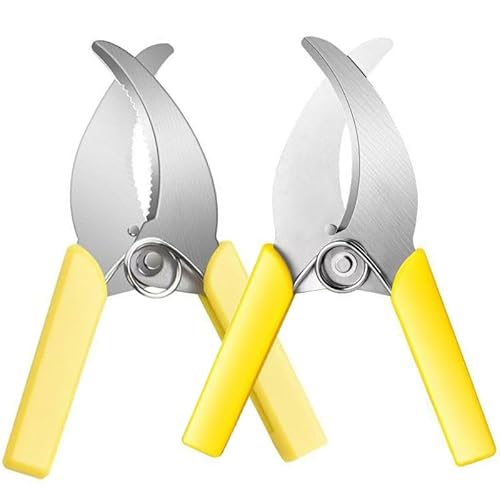
【 Design Features 】 Curved blade design: Using a crescent shaped blade with a radius of 7.5cm, it accurately matches the curvature of the tree trunk, avoiding damage to the wood. Spring assisted opening and closing system: Equipped with 304 stainless steel double torsion springs, the rebound speed can reach 0.3 seconds per operation with one hand.

Sharp & Rustproof: Our garden scissors are made of premium stainless steel material, which has corrosion resistance and good hardness. Sharp blades can quickly finish pruning tasks for gardens, vegetable gardens, orchards, and indoor plants

Timing Based on Tree Variety
Different fruit trees have unique growth patterns. Generally, thinning occurs at two key times:
- Early Summer: For many trees like apples and pears, thin the fruit about four to six weeks after flowering when the fruit is about the size of a marble. This encourages better fruit size and quality.
- Late Summer: For stone fruits such as cherries and peaches, consider thinning again when fruits begin to touch each other or roughly two-thirds of the way through their growing period. This helps sustain energy for the remaining fruit.
Environmental Factors to Consider
Environmental cues also influence when to thin. Observe the following factors:
- Weather Conditions: Thinning after a rainy spell can expose fruit to more sun and improve ripening.
- Tree Health: If your tree shows signs of stress, thin earlier to reduce competition for nutrients and water.
- Fruit Load: Keep an eye on fruit clusters. Huge clusters often prompt earlier thinning to avoid overwhelming the tree.
Monitoring these elements helps you determine the best time to thin your fruit trees, enhancing the quality of your harvest.
Techniques for Thinning
Thinning fruit trees involves several effective methods. Understanding these techniques enables you to enhance fruit quality and tree health.
Recommended Products

SUPER LIGHTWEIGHT CUT AND HOLD PRUNERS SET: Our Long Reach Pruner weighs 0.79lbs, appropriate length 32 inch is suitable for relaxed cutting. When you deal with twiggy young tree branches, leaves, fruit spur or fence, one hand is enough. There has a minor hand pruner in this set can solve your lower pruning, a bonus garden glove can protect your hand.

[No Ladder Required, High Safety Range] The 39-inch long handle design provides 35 inches more safety range than ordinary pruners. Easily prune high branches or harvest fruit from tall trees while standing on the ground, eliminating the need for wobbly ladders and reducing the risk of falls.

LONG-LASTING SHARPNESS: Japanese SK5 bypass blade with titanium coating is tested through 5,000 cuts to maintain a sharp edge and deliver clean, consistent cuts on live stems and branches
Manual Thinning Methods
Manual thinning is a straightforward approach to improve fruit quality. You manually remove excess fruit, focusing on weaker or smaller fruits. Follow these steps for manual thinning:
- Select Fruits to Remove: Look for small, damaged, or crowded fruits first.
- Leave Space Between Fruits: Aim for a distance of 6 to 8 inches between remaining fruits. This spacing allows for adequate sunlight and air circulation.
- Use Caution: Gently twist and pull the fruit off the branch. Avoid damage to the tree or remaining fruits.
This method enhances growth by reducing competition for resources. You can also create a clear framework for future cropping.
Tools and Equipment Needed
Using the right tools simplifies the thinning process. Here’s a list of essential tools and equipment:
- Pruning Shears: For cutting stems cleanly without harming the tree.
- Ladder: If your trees are tall, a sturdy ladder enables you to reach high branches safely.
- Garden Gloves: Protect your hands from scratches and dirt.
- Bucket or Bag: Collecting removed fruit keeps your workspace organized.
These tools help streamline the thinning process, making it more effective and efficient.
Signs It’s Time to Thin Your Trees
Recognizing when to thin your trees is crucial for maintaining their health and maximizing fruit quality. Look for the following signs that indicate it’s time to take action.
Recommended Products
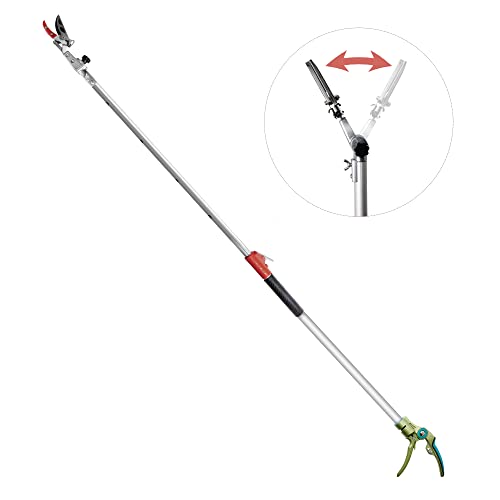
[Helpful Garden Tool] GARTOL brings to you a lightweight and extendable pruning tool to reach out to the least approachable arenas of your garden. You can conveniently get across other plants to remove the fastgrowing brambles and sting nettles without getting scratched or hurt. For gardening lovers, the telescopic pruner cutter head can can be rotated which resolves mobility issues and gives you the pleasure of trimming your garden without bending down or using a ladder to climb and cut them.

[Cut & Hold Pole Pruner for Tree Trimming] This long reach cut and hold pruner makes it easy to grip and remove branches, flowers, or fruit without dropping them. Perfect as a pole fruit picker for harvesting lemons, oranges, apples, or persimmons, and for trimming shrubs and bushes without climbing a ladder.

Premium Material Construction: Crafted from premium carbon steel using exquisite techniques, these tools boast exceptional hardness, resilience to wear, and a robust construction, ensuring long-lasting performance
Overcrowding and Branch Competition
Overcrowded branches create fierce competition for resources. If branches overlap or grow too closely together, it’s time to thin. Remove excess fruit on crowded branches to allow more light to reach the remaining fruit, enhancing their development. This practice promotes better airflow, which helps reduce the risk of fungal diseases. When spacing fruit 6 to 8 inches apart, you encourage healthier growth patterns.
Fruit Size and Quality Concerns
Assess the size and quality of the fruit on your trees. If you notice tiny, undersized fruit forming, or if the overall yield lacks flavor, thinning can help. A tree overloaded with fruit struggles to nurture each one properly, resulting in poor-quality produce. By removing smaller or weaker fruits, you’ll enable the tree to focus its resources on developing larger, tastier fruit. Aim for consistent fruit size for a more bountiful and flavorful harvest.
Conclusion
Thinning your fruit trees is a simple yet powerful way to boost the quality of your harvest. By giving your trees the space and resources they need you’re setting the stage for bigger and tastier fruit. Remember to pay attention to timing and the specific needs of your tree varieties for the best results.
Using the right tools and techniques will make the thinning process easier and more effective. Keep an eye out for signs of overcrowding and underdeveloped fruit, and don’t hesitate to take action. With a little effort you’ll not only improve your current yield but also promote healthier trees for years to come. Happy thinning!
Frequently Asked Questions
What is fruit thinning and why is it important?
Thinning is the process of selectively removing excess fruit from trees to enhance the quality of the remaining fruit. It is important because it allows trees to direct their resources more efficiently, resulting in larger, more flavorful fruit and improved tree health. This practice reduces competition for nutrients and water, leading to stronger branches and better overall vigor.
When should I thin my fruit trees?
The ideal time to thin fruit trees varies by type. For apples and pears, thinning is best done early in summer, about four to six weeks after flowering. For stone fruits like cherries and peaches, a second thinning is recommended in late summer when fruits start to touch. Consider environmental factors for optimal timing.
How far apart should I space the remaining fruits after thinning?
After thinning, it is recommended to space the remaining fruits 6 to 8 inches apart. This spacing allows each fruit to receive adequate sunlight and nutrients, promoting better growth and fruit quality.
What tools do I need for effective fruit thinning?
To effectively thin fruit trees, you’ll need pruning shears, a ladder for reaching high branches, garden gloves to protect your hands, and a bucket or bag to collect the removed fruit. Using the right tools can streamline the thinning process.
What signs indicate it’s time to thin my fruit trees?
Key signs that it’s time to thin your trees include overcrowding of fruit, visible competition for resources among branches, and small or flavorless fruit. If fruits are too close together or undersized, thinning can improve light exposure and airflow, resulting in healthier fruit.
